
Plantar warts are small growths that develop on parts of the feet that bear weight. They're typically found on the bottom of the foot. Don't live with plantar warts, and call us today!
Plantar warts are small growths that develop on parts of the feet that bear weight. They're typically found on the bottom of the foot. Don't live with plantar warts, and call us today!
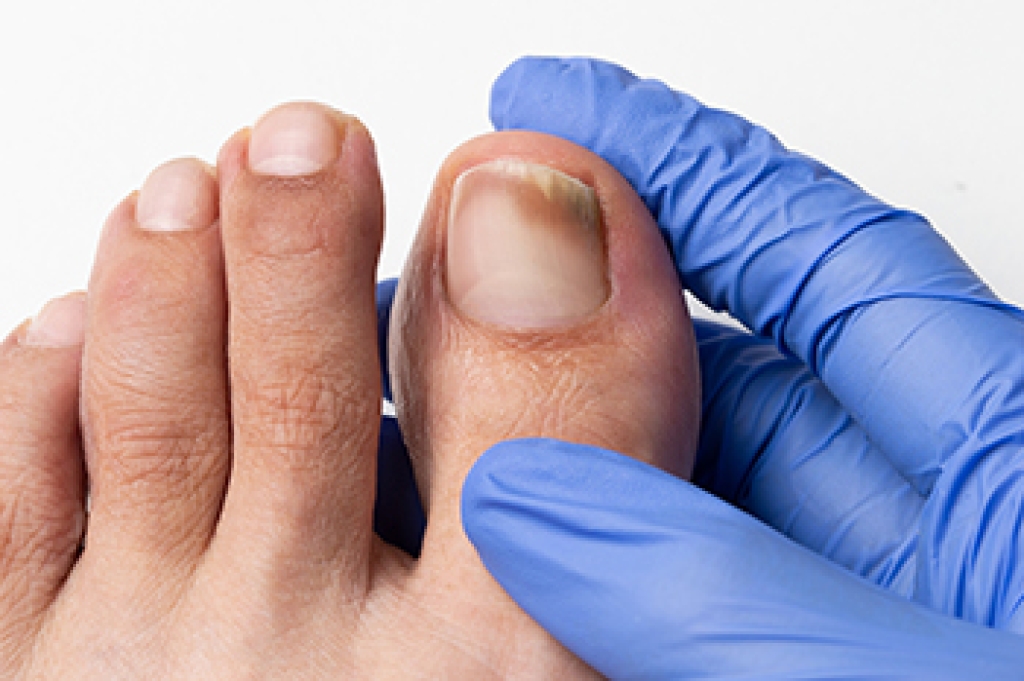
Toenail fungus can cause the toenails to become brittle and yellow. They can gradually harden and become thicker, causing difficulty in having them properly trimmed. This unsightly foot condition is caused by a fungal infection, and is considered to be contagious. This type of fungus lives and thrives in warm and moist environments, consisting of shower room floors, public swimming pools, and similar areas. The fungus can enter the body through tiny cracks in the skin, and it is beneficial to wear appropriate shoes while in these types of areas. A diagnosis is performed by extracting a small sample of the nail. After confirmation is received, treatment can begin. There are various methods that can accomplish this, and it is strongly suggested a podiatrist is contacted as quickly as possible who can prescribe proper medication.
For more information about treatment, contact one of our podiatrists of Grobowski Foot & Ankle. our doctors can provide the care you need to keep you pain-free and on your feet.
Toenail Fungus Treatment
Toenail fungus is a condition that affects many people and can be especially hard to get rid of. Fortunately, there are several methods to go about treating and avoiding it.
Antifungals & Deterrence
Oral antifungal medicine has been shown to be effective in many cases. It is important to consult with a podiatrist to determine the proper regiment for you, or potentially explore other options.
Applying foot powder on the feet and shoes helps keep the feet free of moisture and sweat.
Sandals or open toed shoes – Wearing these will allow air movement and help keep feet dry. They also expose your feet to light, which fungus cannot tolerate. Socks with moisture wicking material also help as well.
If you have any questions please contact one of our offices located in Bellevue, Seattle, and Issaquah, WA, . We offer the newest diagnostic and treatment technologies for all your foot and ankle needs.
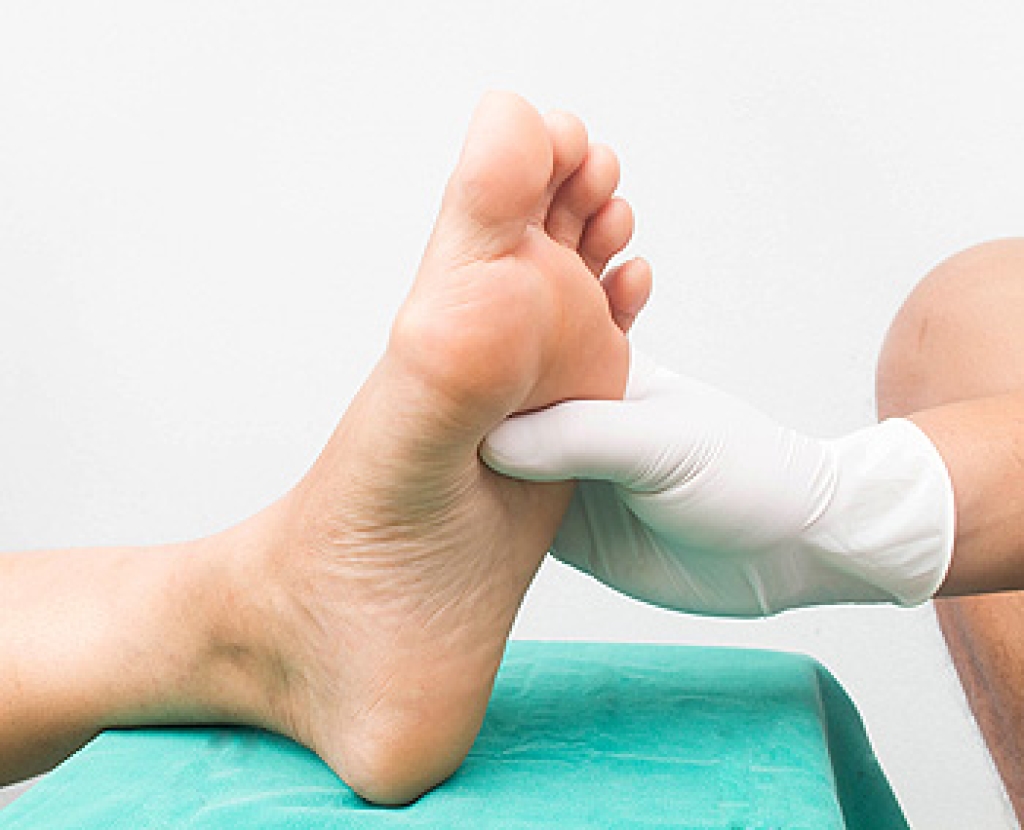
Diabetes affects how the body processes blood sugar, also known as glucose. When blood sugar levels remain elevated, it can damage blood vessels and nerves throughout the body. This damage often affects the feet because they are farthest from the heart and rely on strong circulation and nerve function. Diabetic foot problems can develop gradually and may include a range of complications that impact mobility and comfort. Understanding how diabetes affects the feet is essential for preventing long-term issues.
Symptoms of diabetic foot problems can vary but often include numbness, burning sensations, and reduced sensitivity. Some individuals may experience swelling, also known as edema, along with dry or cracked skin. Because nerve damage can limit feeling, small cuts or blisters may go unnoticed and worsen. In more advanced cases, infections or ulcers can develop, which may require more intensive care. Recognizing these symptoms early can help reduce the risk of serious complications.
The causes of diabetes include factors such as genetics, poor diet, lack of physical activity, and insulin resistance. Persistently high blood sugar damages the nerves, leading to peripheral neuropathy, and weakens blood vessels, which reduces circulation. This combination explains why the feet are especially vulnerable. Reduced blood flow can slow healing, while nerve damage prevents the body from signaling injury or irritation. Together, these effects increase the risk of developing foot ulcers and infections.
Risk factors for diabetic foot problems include long-term diabetes, poor blood sugar control, and obesity. Wearing improper footwear and neglecting daily foot care can also increase the chance of injury. Regular monitoring and proper hygiene are essential for maintaining healthy feet. Preventive care can reduce complications and improve quality of life. If you have diabetes, it is strongly suggested that you are under the care of a podiatrist who can help you to manage this serious condition.
Diabetic foot care is important in preventing foot ailments such as ulcers. If you are suffering from diabetes or have any other concerns about your feet, contact one of our podiatrists from Grobowski Foot & Ankle. our doctors can provide the care you need to keep you pain-free and on your feet.
Diabetic Foot Care
Diabetes affects millions of people every year. The condition can damage blood vessels in many parts of the body, especially the feet. Because of this, taking care of your feet is essential if you have diabetes, and having a podiatrist help monitor your foot health is highly recommended.
The Importance of Caring for Your Feet
Patients with diabetes should have their doctor monitor their blood levels, as blood sugar levels play such a huge role in diabetic care. Monitoring these levels on a regular basis is highly advised.
It is always best to inform your healthcare professional of any concerns you may have regarding your feet, especially for diabetic patients. Early treatment and routine foot examinations are keys to maintaining proper health, especially because severe complications can arise if proper treatment is not applied.
If you have any questions, please feel free to contact one of our offices located in Bellevue, Seattle, and Issaquah, WA, . We offer the newest diagnostic and treatment technologies for all your foot care needs.

Workplace foot injuries are common in physically demanding environments such as construction sites, warehouses, and manufacturing settings. These injuries are defined as damage to the foot caused by external hazards such as falling objects, heavy equipment, or repetitive strain. Common causes include inadequate protective footwear, slippery surfaces, and prolonged standing. Symptoms may include pain, swelling, and difficulty walking. Risk factors include long work hours, improper shoe fit, and exposure to high impact or hazardous conditions.
Choosing the right footwear plays a major role in injury prevention. Construction workers often rely on steel toe boots, which are designed to protect the toes from falling objects and compression. Many safety boots also feature heat-resistant soles to protect against hot surfaces and improve durability. In addition to protection, footwear should provide comfort and allow easy movement of the toes. Proper cushioning and arch support help reduce fatigue and improve daily performance.
There are important differences between steel, alloy, and composite toe options. Steel toe boots use a strong metal cap and offer the highest level of impact protection, though they can feel heavier. Alloy toe boots are made from lightweight metals such as aluminum or titanium and provide similar protection with less weight. Composite toe boots are constructed from non-metal materials such as carbon fiber or plastic, making them lighter and ideal for environments where metal detection is required. Each option offers unique benefits depending on the job setting.
Selecting appropriate footwear and recognizing early symptoms of injury can help prevent long-term damage. Employers and workers should prioritize safety standards and proper fit. Regular inspection of footwear ensures continued protection. If you have foot injuries from work or experience consistent discomfort, it is suggested that you consult a podiatrist for effective relief tips and additional guidance on how to choose the correct shoes for your workday.
While working on the feet, it is important to take the proper care of them. For more information about working on your feet, contact one of our podiatrists from Grobowski Foot & Ankle. our doctors will treat your foot and ankle needs.
Working on Your Feet
Standing on your feet for long periods of time can cause stress and pain in your feet. Your whole body may experience change in terms of posture, back pain, bunions, callouses and or plantar warts. There are ways to avoid these conditions with proper foot care, smart choices and correct posture.
Positive Changes
Negative heeled shoe – Choosing this shoe type places the heel slightly lower than the ball of the foot. These are great for overall foot health. Find shoes that fit you correctly.
Go barefoot – Our feet were not designed to be enclosed for all hours of the day. Try to periodically expose your feet to air.
Eliminate Pain
Foot Exercises – Performing simple exercises, incorporating yoga and doing stretches are beneficial. This will allow increased blood flow to the area and muscles of the foot.
Achilles tendon – Stretching the foot out flat on the floor will relax the calf muscles and tendon. These exercises can be performed almost anywhere. Make sure you add these exercises to your daily regimen.
With a little bit of this information and knowing more about foot health, you will notice changes. Foot stretches and proper footwear will help with pain and prevent further issues.
If you have any questions please contact one of our offices located in Bellevue, Seattle, and Issaquah, WA, . We offer the newest diagnostic and treatment technologies for all your foot and ankle needs.

Minimally invasive foot surgery is an advanced podiatric technique that corrects structural foot problems through very small incisions. Unlike traditional open procedures, this approach uses specialized instruments and imaging guidance to treat conditions with precision while limiting disruption to surrounding tissues. It is commonly used in modern podiatry for patients seeking effective correction with a more efficient recovery process. This method reflects a shift toward patient-centered care that prioritizes both outcomes and comfort.
Patients who undergo minimally invasive foot surgery often report less post operative pain, reduced swelling, and minimal scarring. Because the incisions are small, the body experiences less trauma, which can support quicker healing and earlier return to daily activities. Many individuals are able to walk sooner compared to traditional surgery, depending on the condition being treated. These benefits make it an appealing option for those with busy lifestyles or those who want to avoid extended downtime.
Common foot conditions treated with this technique include bunions, hammertoes, and certain cases of plantar fasciitis. Symptoms that may indicate the need for surgical correction include persistent pain, joint stiffness, and difficulty wearing shoes. Risk factors such as wearing improper footwear, repetitive stress, and biomechanical imbalance can contribute to these issues. A podiatrist evaluates each case carefully to determine whether a minimally invasive approach is appropriate.
Choosing the right treatment begins with a proper diagnosis and a clear understanding of available options. Minimally invasive foot surgery offers a modern solution that blends precision with patient comfort, making it an important advancement in foot care. If you have consistent foot pain from a specific condition, it is suggested that you consult a podiatrist to discuss minimally invasive options and receive appropriate care tailored to your needs.
Foot surgery is sometimes necessary to treat a foot ailment. To learn more, contact one of our podiatrists of Grobowski Foot & Ankle. our doctors will assist you with all of your foot and ankle needs.
When Is Surgery Necessary?
Foot and ankle surgery is generally reserved for cases in which less invasive, conservative procedures have failed to alleviate the problem. Some of the cases in which surgery may be necessary include:
What Types of Surgery Are There?
The type of surgery you receive will depend on the nature of the problem you have. Some of the possible surgeries include:
Benefits of Surgery
Although surgery is usually a last resort, it can provide more complete pain relief compared to non-surgical methods and may allow you to finally resume full activity.
Surgical techniques have also become increasingly sophisticated. Techniques like endoscopic surgery allow for smaller incisions and faster recovery times.
If you have any questions, please feel free to contact one of our offices located in Bellevue, Seattle, and Issaquah, WA, . We offer the newest diagnostic and treatment technologies for all your foot care needs.
Connect With Us
