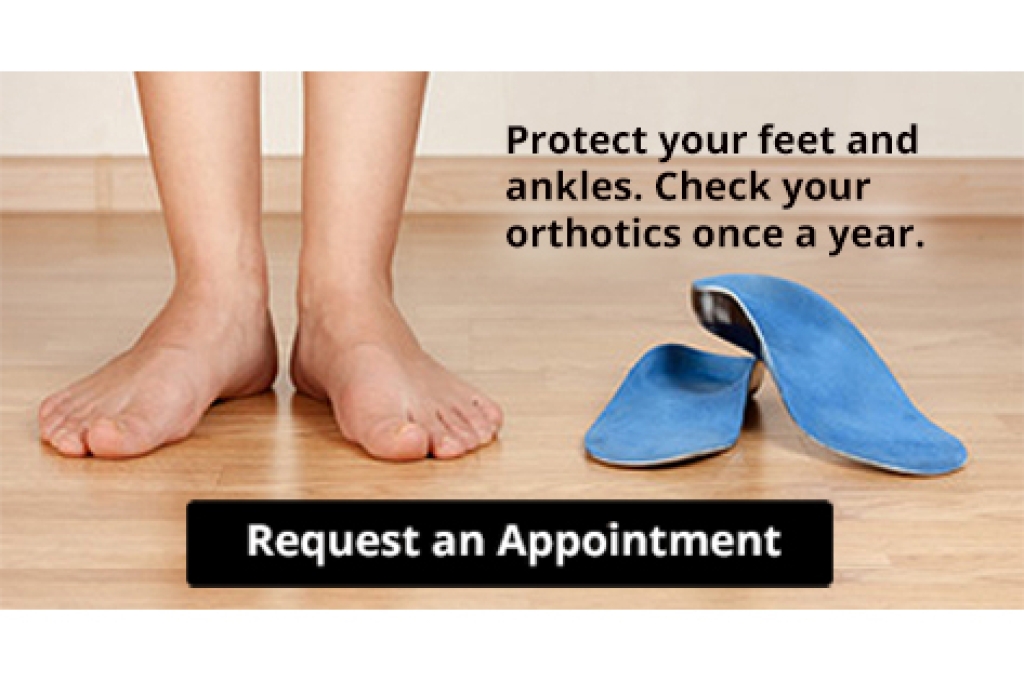
Custom orthotics, or shoe inserts, should be periodically replaced. Orthotics must fit properly to give you the best results. Protect your feet and ankles!
Custom orthotics, or shoe inserts, should be periodically replaced. Orthotics must fit properly to give you the best results. Protect your feet and ankles!
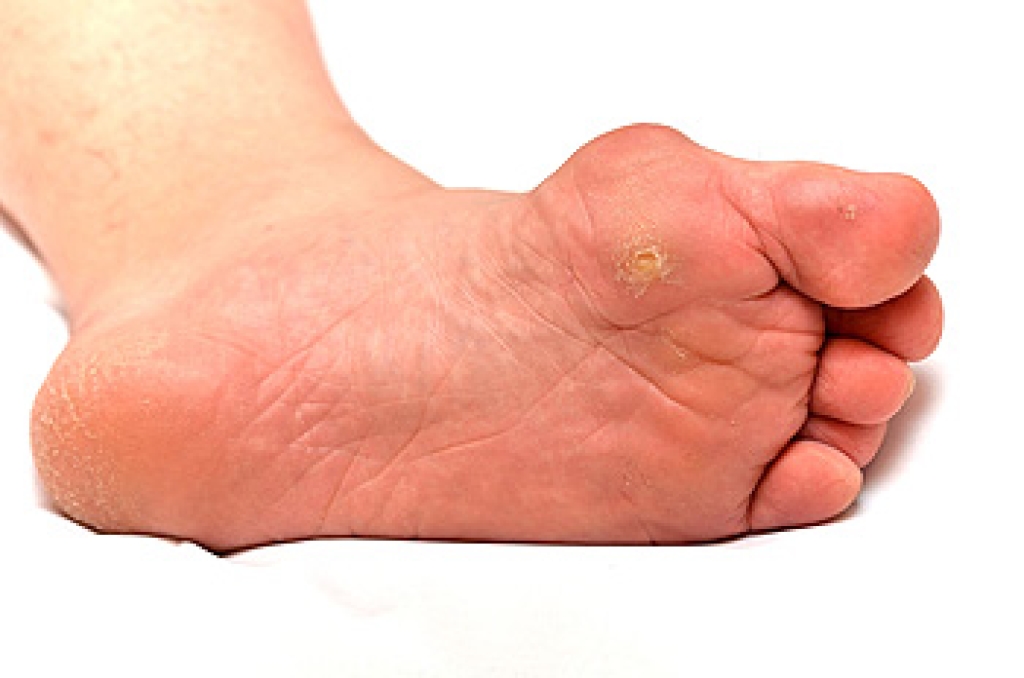 The noticeable symptom of a bunion is a large and hardened bump that forms at the base of the big toe, and many patients consider this to be a bone disorder, which may gradually worsen. The bones in the feet and toes may become affected as a result of this deformity, and it may cause the feet to line up incorrectly. This bump that typically develops on the side of the big toe may push that toe into the toe next to it, which may cause difficulty in wearing shoes and walking. Some patients may feel partial relief when larger size shoes are worn, and this may aid in relieving any pressure that is felt on the toe. Research has shown there may be medical conditions that may precede the formation of a bunion, which may include rheumatoid arthritis, or inherited genes that may lead to low arches. Additional reasons why bunions may form may originate from frequently wearing high heels, which may provide inadequate room for the toes to move freely in. If you are afflicted with a bunion, it is recommended to speak with a podiatrist who can properly guide you to begin correct treatment techniques.
If you are suffering from bunion pain, contact one of our podiatrists of Grobowski Foot & Ankle. our doctors can provide the care you need to keep you pain-free and on your feet.
What Is a Bunion?
Bunions are painful bony bumps that usually develop on the inside of the foot at the joint of the big toe. As the deformity increases over time, it may become painful to walk and wear shoes. Women are more likely to exacerbate existing bunions since they often wear tight, narrow shoes that shift their toes together. Bunion pain can be relieved by wearing wider shoes with enough room for the toes.
Causes
Symptoms
In order to diagnose your bunion, your podiatrist may ask about your medical history, symptoms, and general health. Your doctor might also order an x-ray to take a closer look at your feet. Nonsurgical treatment options include orthotics, padding, icing, changes in footwear, and medication. If nonsurgical treatments don’t alleviate your bunion pain, surgery may be necessary.
If you have any questions, please feel free to contact one of our offices located in Bellevue, Seattle, and Issaquah, WA, . We offer the newest diagnostic and treatment technologies for all your foot care needs.
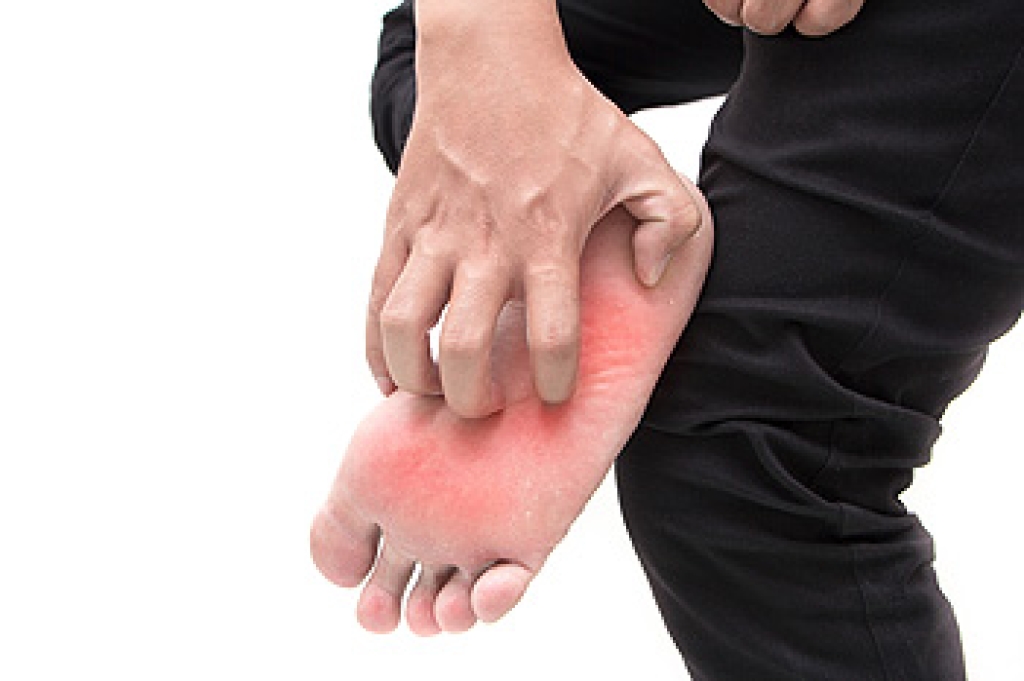 The medical name for Athlete’s foot is referred to as tinea pedis. This common fungal infection that attacks the skin on the feet may typically affect a large percentage of people who will develop this at some point in their lives. This fungus can enter the body through tiny cracks in the skin. It is generally found in public pools and surrounding areas, locker rooms, or contaminated surfaces. Patients who experience this contagious skin condition may often notice itchy and red skin between the toes or on the sole of the foot, blisters, or in severe cases, cracked skin may develop. There may be several ways to prevent this condition from developing, including washing and drying the feet regularly, avoiding the sharing of shoes and towels, and failing to alternate shoes. If you feel you have Athlete’s foot, it is suggested to speak to a podiatrist who can offer proper treatment options for you.
Athlete’s foot is an inconvenient condition that can be easily reduced with the proper treatment. If you have any concerns about your feet and ankles, contact one of our podiatrists from Grobowski Foot & Ankle. our doctors will treat your foot and ankle needs.
Athlete’s Foot: The Sole Story
Athlete's foot, also known as tinea pedis, can be an extremely contagious foot infection. It is commonly contracted in public changing areas and bathrooms, dormitory style living quarters, around locker rooms and public swimming pools, or anywhere your feet often come into contact with other people.
Solutions to Combat Athlete’s Foot
Athlete’s foot can cause many irritating symptoms such as dry and flaking skin, itching, and redness. Some more severe symptoms can include bleeding and cracked skin, intense itching and burning, and even pain when walking. In the worst cases, Athlete’s foot can cause blistering as well. Speak to your podiatrist for a better understanding of the different causes of Athlete’s foot, as well as help in determining which treatment options are best for you.
If you have any questions please feel free to contact one of our offices located in Bellevue, Seattle, and Issaquah, WA, . We offer the newest diagnostic and treatment technologies for all your foot and ankle needs.
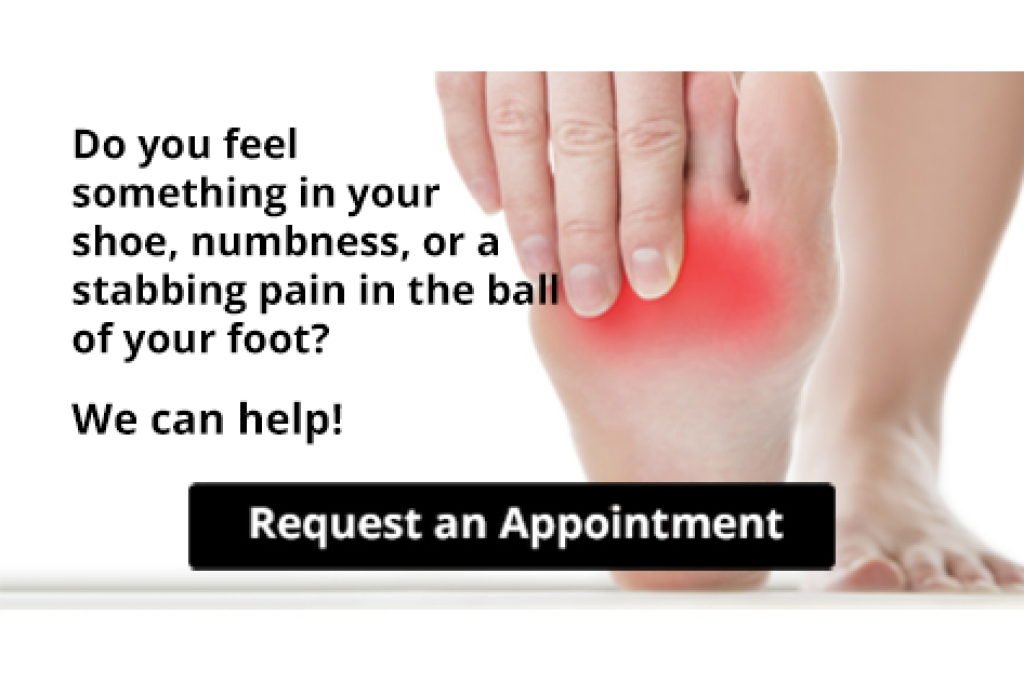
Suffering from this type of pain? You may have the foot condition known as Morton's neuroma. Morton's neuroma may develop as a result of ill-fitting footwear and existing foot deformities. We can help.
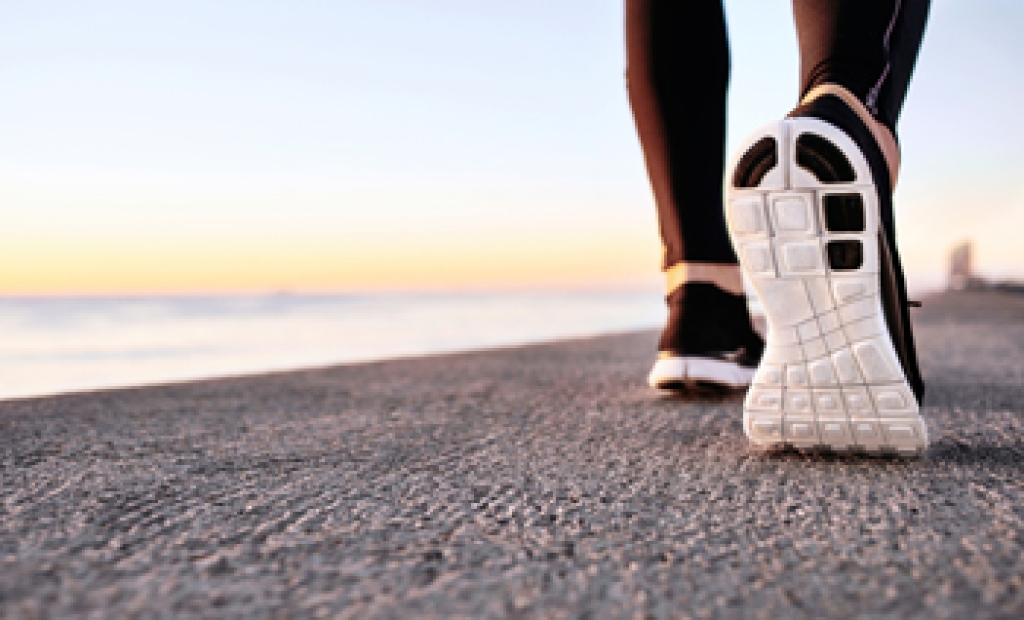 People who enjoy the sport of running understand the importance of choosing the right type of running shoe. This may aid in keeping the muscles and joints healthy and may maximize the benefits of running. The feet have different functions when walking and running are practiced and it’s important to choose the correct shoe. Running is a high impact exercise and the feet will generally absorb three times the weight of the body. People who enjoy walking will notice the body’s weight is much more evenly distributed between the feet and the legs and may benefit by choosing shoes with adequate arch support. When deciding on a running shoe, you may notice the sole is stiffer and there is more cushioning in the heel area. Additionally, they tend to be generally lighter in weight than walking shoes, which may aid the runner to have faster mobility. If you would like additional information about the differences between walking and running shoes, it is suggested to speak with a podiatrist.
For more information about walking shoes versus running shoes, consult with one of our podiatrists from Grobowski Foot & Ankle. our doctors can measure your feet to determine what your needs are and help you find an appropriate pair of footwear.
Foot Health: The Differences between Walking & Running Shoes
There are great ways to stay in shape: running and walking are two great exercises to a healthy lifestyle. It is important to know that running shoes and walking shoes are not interchangeable. There is a key difference on how the feet hit the ground when someone is running or walking. This is why one should be aware that a shoe is designed differently for each activity.
You may be asking yourself what the real differences are between walking and running shoes and the answers may shock you.
Differences
Walking doesn’t involve as much stress or impact on the feet as running does. However, this doesn’t mean that you should be any less prepared. When you’re walking, you land on your heels and have your foot roll forward. This rolling motion requires additional support to the feet.
Flexibility – Walking shoes are designed to have soft, flexible soles. This allows the walker to push off easily with each step.
If you have any questions, please feel free to contact one of our offices located in Bellevue, Seattle, and Issaquah, WA, . We offer the newest diagnostic and treatment technologies for all your foot care needs.
Connect With Us
