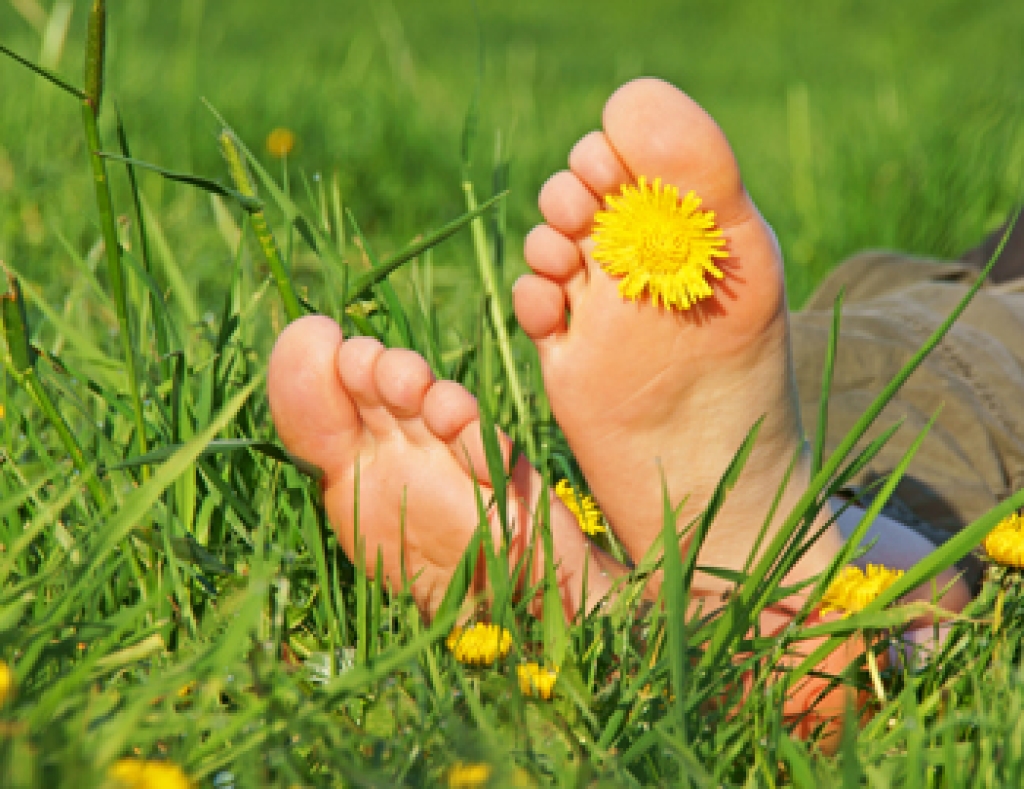
When Should You Purchase Children’s Shoes?

Many parents buy the first pair of shoes prematurely for their children. It is not necessary for children to wear shoes until they begin walking. It is said that while babies are crawling, soft socks with non-skid soles are more important than shoes. As they learn to walk, allow them to walk barefoot while indoors as this is beneficial in strengthening the toes. When shoes are purchased, it helps to choose a pair that are flexible, have a softer sole, and have adequate room for the toes to move freely in. This will help prevent stubbed toes and ingrown toenails, which can cause severe pain and discomfort. If you would like more information about what type of first shoes your child should wear, it is suggested that you consult with a podiatrist. 

The health of a child’s feet is vital to their overall well-being. If you have any questions regarding foot health, contact one of our podiatrists of Grobowski Foot & Ankle. our doctors can provide the care you need to keep you pain-free and on your feet.

Tips for Keeping Children's Feet Healthy

  • Make sure their shoes fit properly
  • Look for any signs of in-toeing or out-toeing
  • Check to see if they have Clubfoot (condition that affects your child’s foot and ankle, twisting the heel and toes inward) which is one of the most common nonmajor birth defects.
  • Lightly cover your baby’s feet (Tight covers may keep your baby from moving their feet freely, and could prevent normal development)
  • Allow your toddler to go shoeless (Shoes can be restricting for a young child’s foot)
  • Cut toenails straight across to avoid ingrown toenails
  • Keep your child’s foot clean and dry
  • Cover cuts and scrapes. Wash any scratches with soap and water and cover them with a bandage until they’ve healed.

If you have any questions, please feel free to contact one of our offices located in Bellevue, Seattle, and Issaquah, WA, . We offer the newest diagnostic and treatment technologies for all your foot care needs.


Read more about How to Care for Your Child's Feet

Football and Ankle Sprains

Did you know that up to 39% of college football players endure ankle sprains? The statistics are not much better for high school football players - they account for 24% of all ankle sprains seen among high school athletes. An ankle sprain occurs when one or more ligaments in the ankle are overstretched or torn. This causes symptoms such as bruising, pain, swelling, tenderness, inflammation, and an inability to bear weight on the affected foot. If not allotted the proper time to rest and recover, the ankle sprain may become recurrent and lead to chronic ankle instability. Football players can take extra precautions to prevent ankle sprains by warming up prior to practicing or playing, wearing proper footwear that supports the ankles, and by resting when feeling fatigued. For more information about preventing ankle sprains, please consult with a podiatrist.

Sports related foot and ankle injuries require proper treatment before players can go back to their regular routines. For more information, contact one of our podiatrists of Grobowski Foot & Ankle. our doctors can provide the care you need to keep you pain-free and on your feet.

Sports Related Foot and Ankle Injuries

Foot and ankle injuries are a common occurrence when it comes to athletes of any sport. While many athletes dismiss the initial aches and pains, the truth is that ignoring potential foot and ankle injuries can lead to serious problems. As athletes continue to place pressure and strain the area further, a mild injury can turn into something as serious as a rupture and may lead to a permanent disability. There are many factors that contribute to sports related foot and ankle injuries, which include failure to warm up properly, not providing support or wearing bad footwear. Common injuries and conditions athletes face, including:

  • Plantar Fasciitis
  • Achilles Tendinitis
  • Achilles Tendon Rupture
  • Ankle Sprains

Sports related injuries are commonly treated using the RICE method. This includes rest, applying ice to the injured area, compression and elevating the ankle. More serious sprains and injuries may require surgery, which could include arthroscopic and reconstructive surgery. Rehabilitation and therapy may also be required in order to get any recovering athlete to become fully functional again. Any unusual aches and pains an athlete sustains must be evaluated by a licensed, reputable medical professional.

If you have any questions please contact one of our offices located in Bellevue, Seattle, and Issaquah, WA, . We offer the newest diagnostic and treatment technologies for all your foot and ankle needs.

Read more about Sports Related Foot And Ankle Injuries

Do Your Child's Feet Hurt?

Have your child's feet been examined lately? Healthy feet are happy feet. If your child is complaining of foot pain, it may be a sign of underlying problems.

How You Walk as an Older Adult Matters

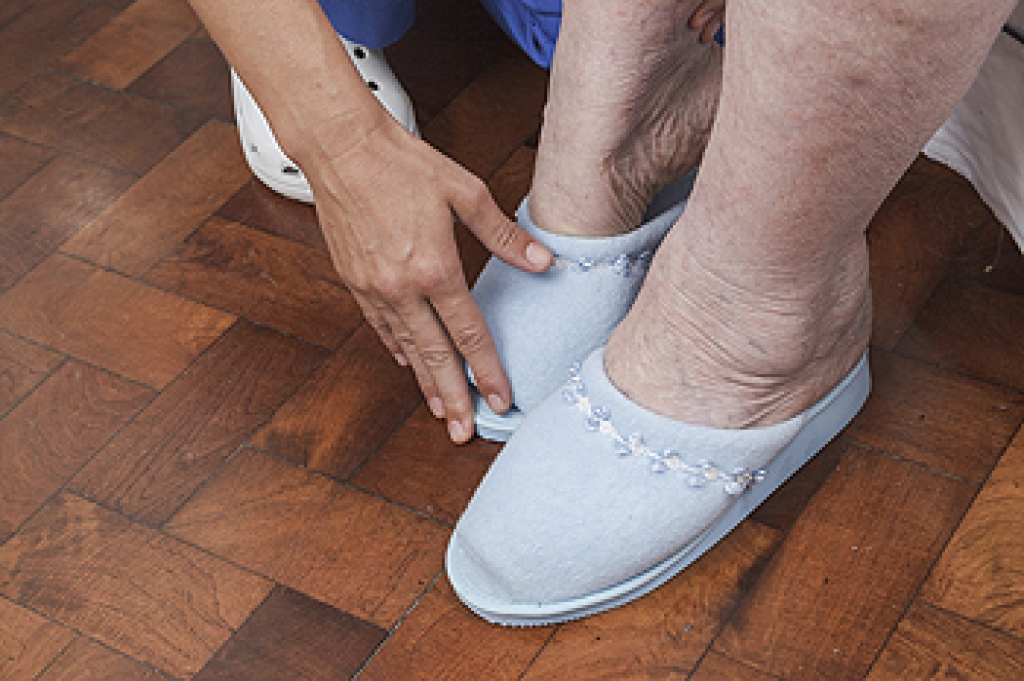
Keeping your body as strong as possible as you age goes a long way in helping you to maintain proper balance and reducing the risk of falling or adding undue stress on certain parts of your body. A podiatrist can do a physical examination of you and also conduct a gait analysis—which assesses the mechanics of how you walk and detects any irregularities which may negatively affect your balance and stride. Certain exercises, or specific treatments and therapies to correct gait abnormalities may be part of your wellness plan. With the help of a podiatrist, you can take the right steps in improving balance and strengthening muscles in the feet and legs to help you stay independent and mobile for as long as possible.

If you need your feet checked, contact one of our podiatrists of Grobowski Foot & Ankle. our doctors will attend to all of your foot and ankle needs and provide you with quality treatment.

Geriatrics and Podiatry
When people age, some common issues that may occur are bone density loss, dry skin, poor circulation, and rough brittle nails. These issues may also affect your foot health if the necessary steps are not taken to alleviate the problems.

It is important to take care of your feet because feet that are injured or diseased can affect your overall health. Having painful feet hinders your ability to do daily activities or may decrease your willingness to do the things that you need to do.

Visiting Your Geriatrician
As we age, health problems become more likely, so it is essential to visit your doctor for check-ups to ensure that you are doing the best you can to take care of your health. It is recommended to check your feet frequently for any possible cuts, bruises, swelling, corns or any other irregularities. 

Taking Care of Elderly Feet
Cracked or dry feet can be treated by applying moisturizer often. It is also important not to wear old socks because the older the sock is, the higher the possibility there will be that there is bacteria there. Wear fresh socks and make sure they fit properly.

Proper foot health means that you can have a more active lifestyle and you will not be bogged down by pain. Foot health also leads to good circulation, which is paramount for overall health.

If you have any questions, please feel free to contact one of our offices located in Bellevue, Seattle, and Issaquah, WA, . We offer the newest diagnostic and treatment technologies for all your foot care needs.
Read more about Geriatrics and Podiatry

Abnormalities in the Feet Can Indicate Other Issues

While the feet have a variety of functions, issues with the feet can also indicate issues in a variety of other parts of the body. Because of this, podiatrists can often be the first doctors to notice an issue. For example, feet that are too cold, or are blue in color, can indicate circulation problems in the rest of the body. Swollen feet can sometimes indicate heart disease or high blood pressure. The toenails can also indicate a variety of issues. Changes in toenail color can be signs of issues in the lungs, heart, kidneys, or liver, and it can even be a sign of diabetes or an infection. If you are noticing any abnormalities in the feet, consult with a podiatrist to make sure there aren’t any underlying issues.

When dealing with systemic disease of the feet, it is extremely important to check the affected areas routinely so that any additional problems are caught quickly.  If you have any concerns about your feet and ankles contact one of our podiatrists from Grobowski Foot & Ankle. our doctors will assist you with all of your podiatric needs.

Systemic Diseases of the Feet

Systemic diseases affect the whole body, and symptoms usually are displayed in the feet. This condition can make a patient’s ability to walk unbearable.  Systemic diseases include gout, diabetes mellitus, neurological disorders, and arthritis.

Gout – is caused by an excess of uric acid in the body. Common symptoms include pain, inflammation, and redness at the metatarsal/phalangeal joint of the base big toe. Gout can be treated by NSAIDs to relieve pain and inflammation, and other drugs that lower the acid levels in the body.

Diabetes mellitus – is an increase in the level of blood sugar that the body cannot counteract with its own insulin. Failure to produce enough insulin is a factor in Diabetes.

Diabetes of the Feet

Diabetic Neuropathy – may lead to damaged nerves and affect the feet through numbness and loss of sensation.

Peripheral Vascular Disease – can restrict the blood flow to the feet, and often times lead to amputation of the feet. 

If you have any questions please contact one of our offices located in Bellevue, Seattle, and Issaquah, WA, . We offer the newest diagnostic and treatment technologies for all your foot and ankle needs.

Read more about Systemic Diseases of the Foot

Connect With Us

scroll to top