Understanding the Impact of Diabetes on the Feet

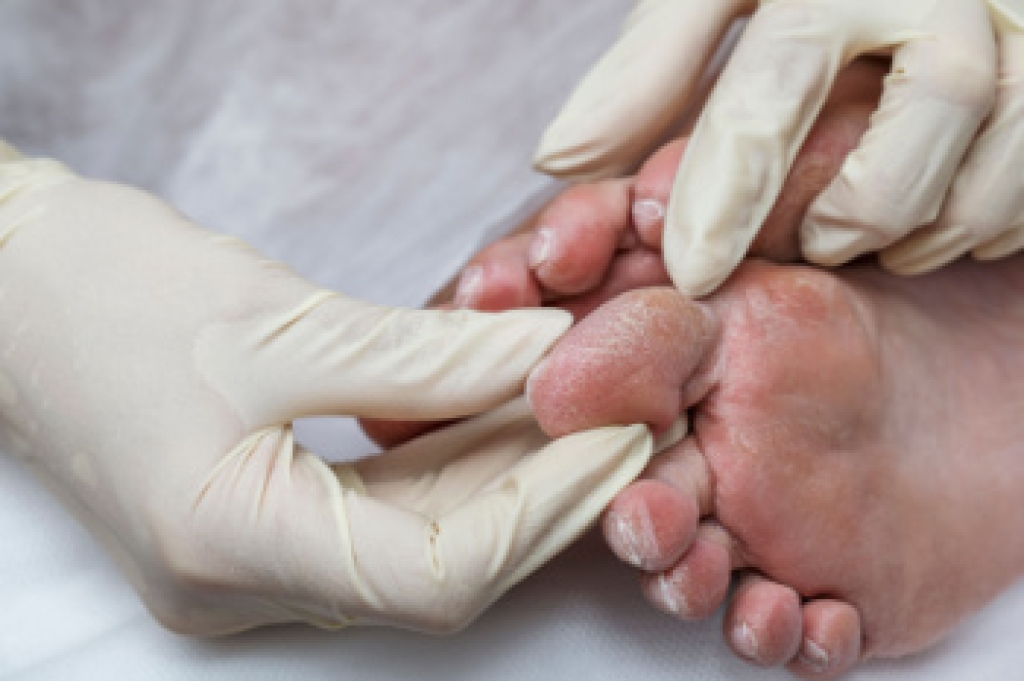
Diabetes significantly affects foot health due to the condition's influence on circulation and nerve function. Poor blood flow, a common complication, hinders the healing process and increases the risk of infections. Nerve damage, or neuropathy, reduces sensation in the feet, making it difficult to notice injuries or pressure sores. These issues can escalate to serious infections or ulcers if left untreated, potentially leading to amputations. Maintaining proper foot care and regular check-ups are essential for individuals with diabetes to prevent severe complications. Simple practices, such as daily inspections for cuts or blisters and wearing appropriate footwear, can make a substantial positive difference. Overall, understanding the connection between diabetes and foot health is important in managing the condition and preventing debilitating outcomes. If you have diabetes, it is strongly suggested that you are under the care of a podiatrist who can help you manage this serious condition.

Diabetic foot care is important in preventing foot ailments such as ulcers. If you are suffering from diabetes or have any other concerns about your feet, contact one of our podiatrists from Grobowski Foot & Ankle. our doctors can provide the care you need to keep you pain-free and on your feet.

Diabetic Foot Care

Diabetes affects millions of people every year. The condition can damage blood vessels in many parts of the body, especially the feet. Because of this, taking care of your feet is essential if you have diabetes, and having a podiatrist help monitor your foot health is highly recommended.

The Importance of Caring for Your Feet

  • Routinely inspect your feet for bruises or sores.
  • Wear socks that fit your feet comfortably.
  • Wear comfortable shoes that provide adequate support.

Patients with diabetes should have their doctor monitor their blood levels, as blood sugar levels play such a huge role in diabetic care. Monitoring these levels on a regular basis is highly advised.

It is always best to inform your healthcare professional of any concerns you may have regarding your feet, especially for diabetic patients. Early treatment and routine foot examinations are keys to maintaining proper health, especially because severe complications can arise if proper treatment is not applied.

If you have any questions, please feel free to contact one of our offices located in Bellevue, Seattle, and Issaquah, WA, . We offer the newest diagnostic and treatment technologies for all your foot care needs.
Read more about How to Care for Diabetic Foot

Causes Of Cracked Heels

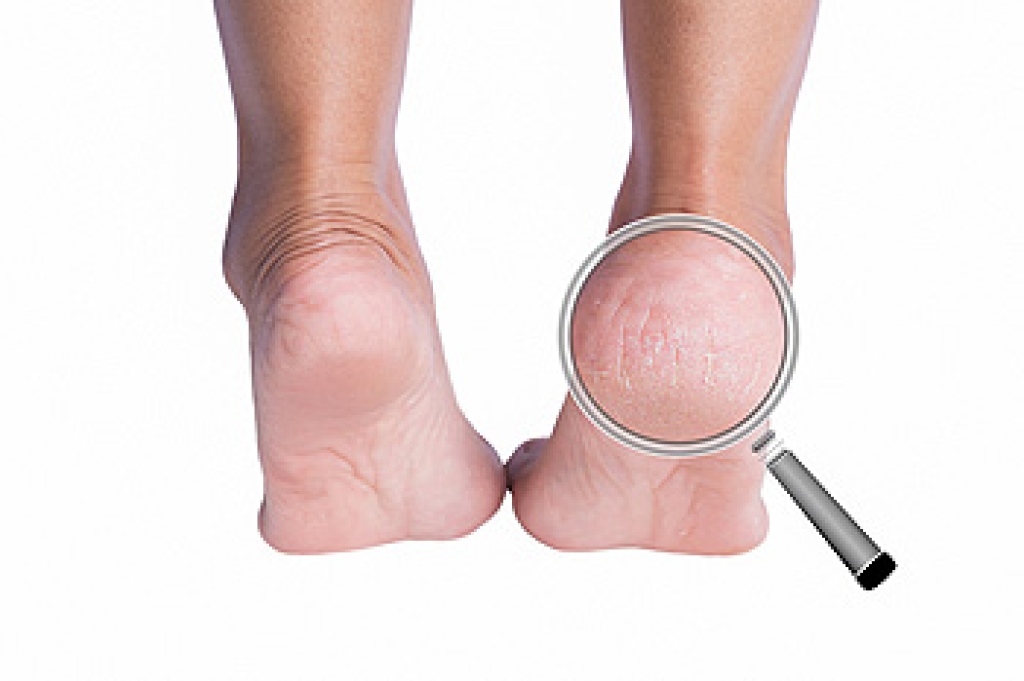
Cracked heels can be caused by many factors. The skin on heels are naturally dry and may crack when exposed to long periods of pressure, such as standing. Additionally, wearing open-backed shoes, like sandals, may progress the condition by allowing the skin to expand and split. Other causes of cracked heels include the lack of moisture from harsh weather and underlying health conditions. Certain medical conditions, including diabetes, eczema, psoriasis, and thyroid disorders, also may be factors in cracked skin on the heels. The aging process can aid in development of cracked heels, due to the skin losing its flexibility over time. Proper foot care, such as moisturizing and supportive footwear, may help prevent this condition. Podiatrists can provide professional care and guidance to manage and treat cracked heels. If the cracked skin on your heels forms fissures or begins to bleed, it is suggested that you consult a podiatrist for treatment to avoid infection. 

Many people suffer from bouts of heel pain. For more information, contact one of our podiatrists of Grobowski Foot & Ankle. our doctors can provide the care you need to keep you pain-free and on your feet.

Causes of Heel Pain

Heel pain is often associated with plantar fasciitis. The plantar fascia is a band of tissues that extends along the bottom of the foot. A rip or tear in this ligament can cause inflammation of the tissue.

Achilles tendonitis is another cause of heel pain. Inflammation of the Achilles tendon will cause pain from fractures and muscle tearing. Lack of flexibility is also another symptom.

Heel spurs are another cause of pain. When the tissues of the plantar fascia undergo a great deal of stress, it can lead to ligament separation from the heel bone, causing heel spurs.

Why Might Heel Pain Occur?

  • Wearing ill-fitting shoes                
  • Wearing non-supportive shoes
  • Weight change           
  • Excessive running

Treatments

Heel pain should be treated as soon as possible for immediate results. Keeping your feet in a stress-free environment will help. If you suffer from Achilles tendonitis or plantar fasciitis, applying ice will reduce the swelling. Stretching before an exercise like running will help the muscles. Using all these tips will help make heel pain a condition of the past.

If you have any questions, please feel free to contact one of our offices located in Bellevue, Seattle, and Issaquah, WA, . We offer the newest diagnostic and treatment technologies for all your foot care needs.

Read more about Heel Pain

Symptoms and Causes of Gout

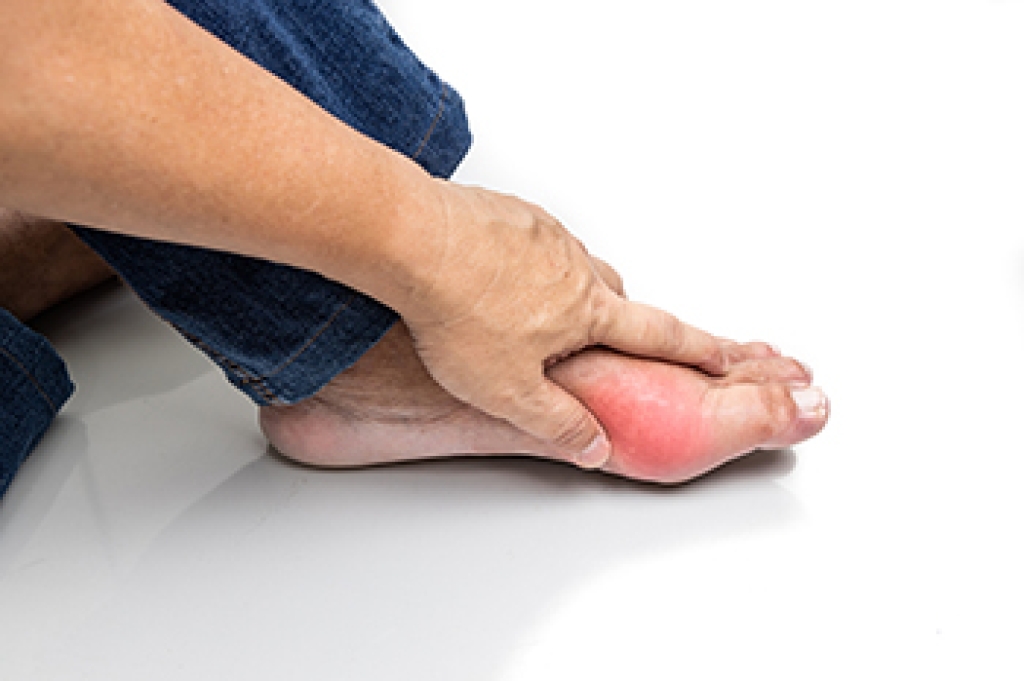
Gout is a form of inflammatory arthritis that causes painful flares typically lasting for a week or two. It most often affects the big toe, but also can develop in ankles. Gout is triggered by the accumulation of urate crystals in the joints, resulting from high levels of uric acid in the body, termed hyperuricemia. This can lead to crystal formation, though not everyone with elevated uric acid levels develops gout. The disease progresses through stages, including hyperuricemia, acute flares, periods of no symptoms, and, if untreated, crystal formation. Symptoms commonly include sudden intense pain, swelling, redness, and warmth in the affected joint. Gout attacks are often caused by certain foods, alcohol, medications, or other illnesses. Without proper management, gout can lead to complications, such as joint damage and associated health issues like hypertension, kidney disease, obesity, and heart problems. Risk factors for gout include genetics, diet, age, and gender. Menopause, alcohol consumption, and obesity may also be factors. Early diagnosis, diet and lifestyle changes, and treatment can significantly alleviate symptoms and prevent complications. If you are experiencing symptoms of gout in the big toe or ankle, it is suggested that you schedule a appointment with a podiatrist.

Gout is a painful condition that can be treated. If you are seeking treatment, contact one of our podiatrists from Grobowski Foot & Ankle. our doctors will treat your foot and ankle needs.

What Is Gout?

Gout is a form of arthritis that is characterized by sudden, severe attacks of pain, redness, and tenderness in the joints. The condition usually affects the joint at the base of the big toe. A gout attack can occur at any random time, such as the middle of the night while you are asleep.

Symptoms

  • Intense Joint Pain - Usually around the large joint of your big toe, and it most severe within the first four to twelve hours
  • Lingering Discomfort - Joint discomfort may last from a few days to a few weeks
  • Inflammation and Redness -Affected joints may become swollen, tender, warm and red
  • Limited Range of Motion - May experience a decrease in joint mobility

Risk Factors

  • Genetics - If family members have gout, you’re more likely to have it
  • Medications - Diuretic medications can raise uric acid levels
  • Gender/Age - Gout is more common in men until the age of 60. It is believed that estrogen protects women until that point
  • Diet - Eating red meat and shellfish increases your risk
  • Alcohol - Having more than two alcoholic drinks per day increases your risk
  • Obesity - Obese people are at a higher risk for gout

Prior to visiting your podiatrist to receive treatment for gout, there are a few things you should do beforehand. If you have gout you should write down your symptoms--including when they started and how often you experience them, important medical information you may have, and any questions you may have. Writing down these three things will help your podiatrist in assessing your specific situation so that he or she may provide the best route of treatment for you.

If you have any questions, please feel free to contact one of our offices located in Bellevue, Seattle, and Issaquah, WA, . We offer the newest diagnostic and treatment technologies for all your foot care needs.

Read more about Gout

Causes and Management of Sweaty Feet

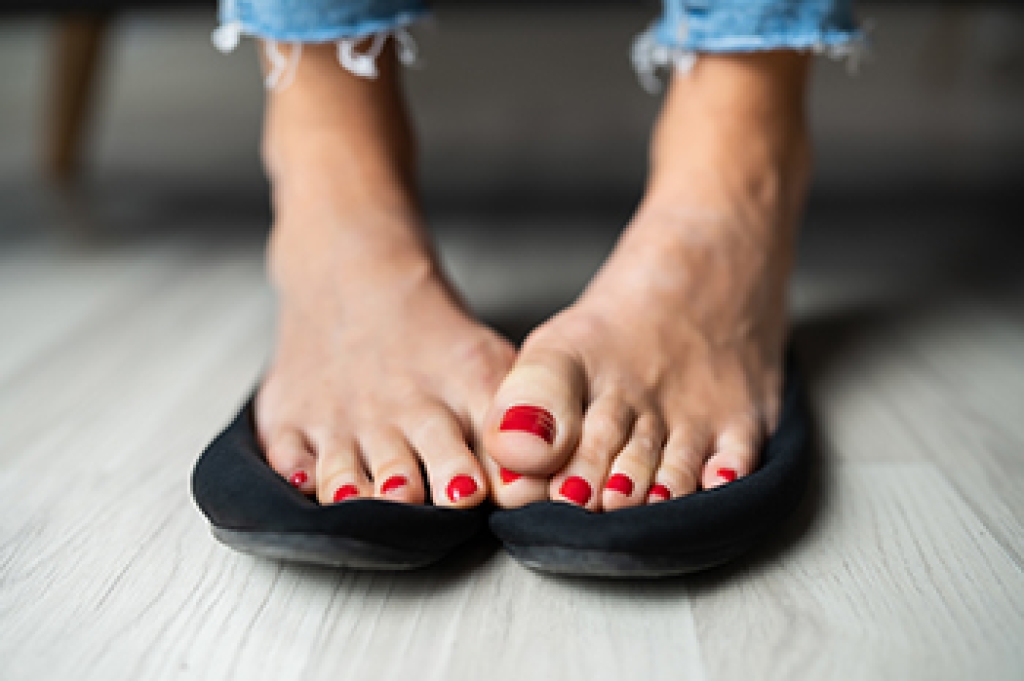
Managing excessively sweaty feet, medically termed plantar hyperhidrosis, can be a frustrating and uncomfortable experience. Several factors contribute to this condition, including overactive sweat glands, hormonal changes, stress, and certain medical conditions like hyperthyroidism. Controlling sweaty feet begins with practicing good hygiene, including regular washing and drying of the feet, wearing moisture-wicking socks, and rotating shoes to allow them to air out properly. Additionally, choosing breathable footwear made from natural materials like leather can help reduce moisture buildup. Applying antiperspirant to the soles of the feet can also be effective in minimizing sweat production. In more severe cases, treatments such as iontophoresis, which uses a low electrical current to reduce sweating, or botulinum toxin injections may be recommended by a podiatrist. If you are suffering from this condition, it is suggested that you seek advice from this type of doctor who can offer you treatment techniques that are tailored to your specific needs.

If you are suffering from hyperhidrosis contact one of our podiatrists of Grobowski Foot & Ankle. our doctors can provide the care you need to attend to all of your foot and ankle needs.

Hyperhidrosis of the Feet

Hyperhidrosis is a rare disorder that can cause people to have excessive sweating of their feet. This can usually occur all on its own without rigorous activity involved. People who suffer from hyperhidrosis may also experience sweaty palms.

Although it is said that sweating is a healthy process meant to cool down the body temperature and to maintain a proper internal temperature, hyperhidrosis may prove to be a huge hindrance on a person’s everyday life.

Plantar hyperhidrosis is considered to be the main form of hyperhidrosis. Secondary hyperhidrosis can refer to sweating that occurs in areas other than the feet or hands and armpits. Often this may be a sign of it being related to another medical condition such as menopause, hyperthyroidism and even Parkinson’s disease.

In order to alleviate this condition, it is important to see your doctor so that they may prescribe the necessary medications so that you can begin to live a normal life again. If this is left untreated, it is said that it will persist throughout an individual’s life.

A last resort approach would be surgery, but it is best to speak with your doctor to find out what may be the best treatment for you.

If you have any questions, please feel free to contact one of our offices located in Bellevue, Seattle, and Issaquah, WA, . We offer the newest diagnostic and treatment technologies for all your foot care needs.

Read more about Hyperhidrosis of the Feet

It's Time for Beautiful Feet

You don't need an excuse to have beautiful nails. Step outside without worrying about the appearance of your feet.

Connect With Us

scroll to top