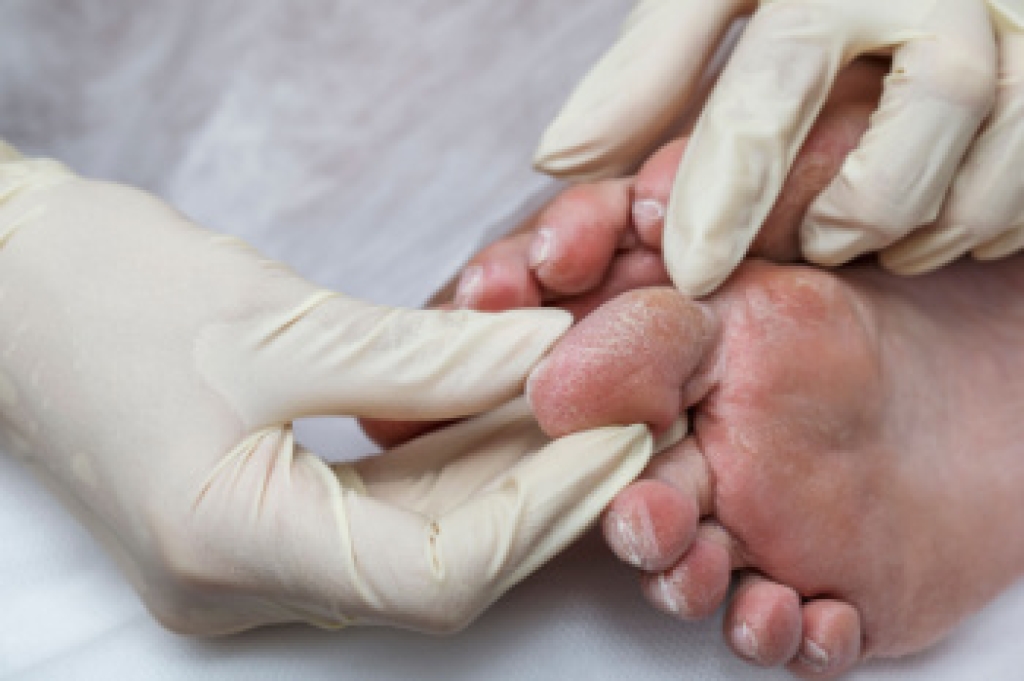
Diabetes Foot Health and Preventive Care

Diabetes is a chronic condition that affects how the body uses blood sugar and can develop due to genetic factors, lifestyle influences, or insulin resistance. Common symptoms include increased thirst, fatigue, slow healing, and changes in sensation. Diabetes can significantly affect the feet by reducing circulation and nerve function, which increases the risk of injury, infection, and ulcers. Proper foot care is essential, and includes checking feet daily, washing and drying them carefully, in addition to trimming the toenails straight across, and wearing shoes and socks while outdoors for protection. Early attention helps prevent complications. A podiatrist can monitor foot health, treat problems early, and provide guidance on proper footwear and care. If you have diabetes, it is strongly suggested that you are under the care of a podiatrist who can help you to manage this serious condition.

Diabetic foot care is important in preventing foot ailments such as ulcers. If you are suffering from diabetes or have any other concerns about your feet, contact one of our podiatrists from Grobowski Foot & Ankle. our doctors can provide the care you need to keep you pain-free and on your feet.

Diabetic Foot Care

Diabetes affects millions of people every year. The condition can damage blood vessels in many parts of the body, especially the feet. Because of this, taking care of your feet is essential if you have diabetes, and having a podiatrist help monitor your foot health is highly recommended.

The Importance of Caring for Your Feet

  • Routinely inspect your feet for bruises or sores.
  • Wear socks that fit your feet comfortably.
  • Wear comfortable shoes that provide adequate support.

Patients with diabetes should have their doctor monitor their blood levels, as blood sugar levels play such a huge role in diabetic care. Monitoring these levels on a regular basis is highly advised.

It is always best to inform your healthcare professional of any concerns you may have regarding your feet, especially for diabetic patients. Early treatment and routine foot examinations are keys to maintaining proper health, especially because severe complications can arise if proper treatment is not applied.

If you have any questions, please feel free to contact one of our offices located in Bellevue, Seattle, and Issaquah, WA, . We offer the newest diagnostic and treatment technologies for all your foot care needs.
Read more about Diabetic Foot Conditions

Foot Blisters and How to Protect Your Feet

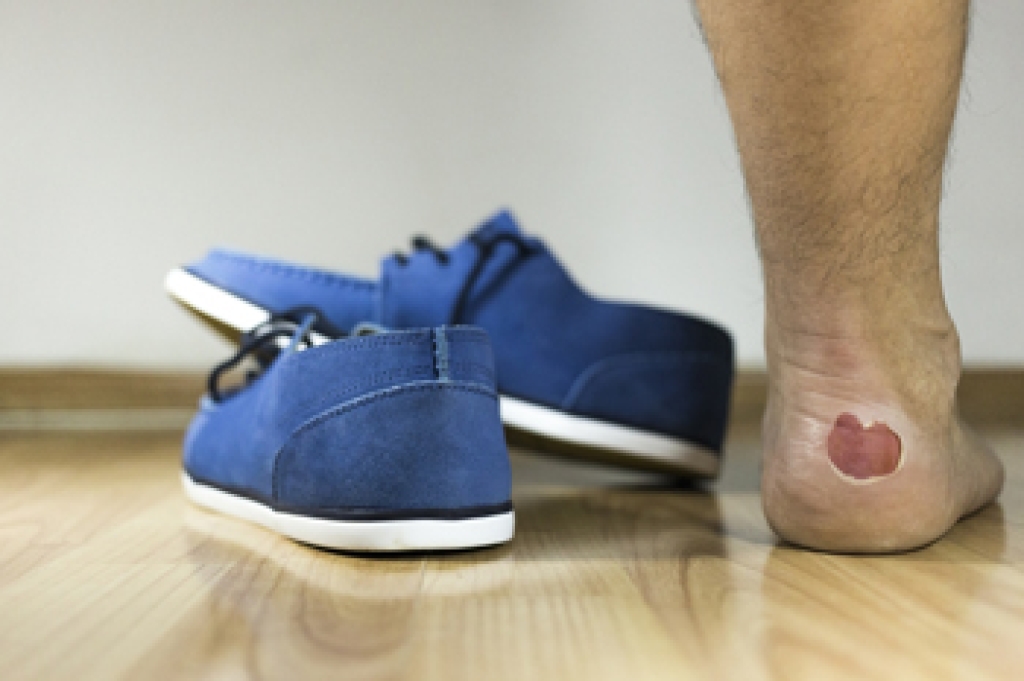
Foot blisters are small pockets of fluid that form on the skin of the feet, often as a result of friction or pressure. They commonly develop from wearing poorly fitted shoes, engaging in extended physical activity, or sustaining burns such as a sunburn or frostbite. Symptoms include redness, swelling, pain, and fluid filled bumps that can make walking uncomfortable. Risk factors include moisture, high activity levels, abnormal foot shape, and sensitive skin. While most blisters generally heal naturally, improper care can lead to infection or prolonged discomfort. A podiatrist can provide safe treatment, protect the skin, address underlying causes, and recommend footwear or other protective measures. If you develop frequent foot blisters, or if they become infected, it is suggested that you consult a podiatrist who can guide you toward effective relief and prevention solutions.

Blisters are prone to making everyday activities extremely uncomfortable. If your feet are hurting, contact one of our podiatrists of Grobowski Foot & Ankle. our doctors can provide the care you need to keep you pain-free and on your feet.

Foot Blisters

Foot blisters develop as a result of constantly wearing tight or ill-fitting footwear. This happens due to the constant rubbing from the shoe, which can often lead to pain.

What Are Foot Blisters?

A foot blister is a small fluid-filled pocket that forms on the upper-most layer of the skin. Blisters are filled with clear fluid and can lead to blood drainage or pus if the area becomes infected.

How Do Blisters Form?

Blisters on the feet are often the result of constant friction of skin and material, usually by shoe rubbing. Walking in sandals, boots, or shoes that don’t fit properly for long periods of time can result in a blister. Having consistent foot moisture and humidity can easily lead to blister formation.

Prevention & Treatment

It is important to properly care for the affected area in order to prevent infection and ease the pain. Do not lance the blister and use a Band-Aid to provide pain relief. Also, be sure to keep your feet dry and wear proper fitting shoes. If you see blood or pus in a blister, seek assistance from a podiatrist.

If you have any questions, please feel free to contact one of our offices located in Bellevue, Seattle, and Issaquah, WA, . We offer the newest diagnostic and treatment technologies for all your foot care needs.
Read more about Blisters

Everyday Foot Care Tips for Lifelong Foot Health

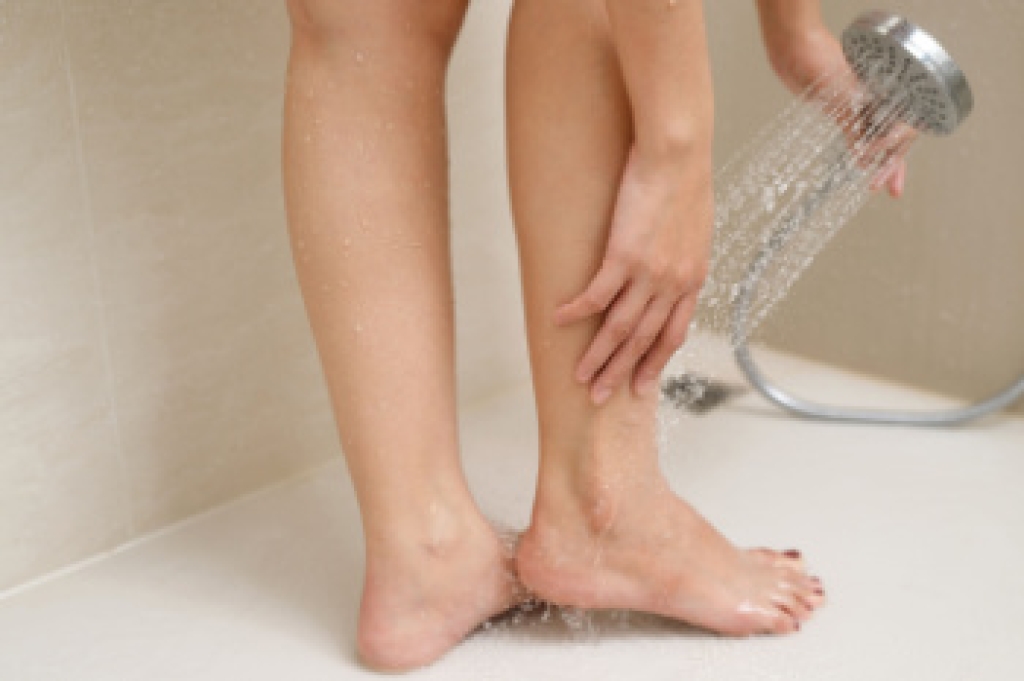
Foot health is often overlooked despite being essential for overall mobility and comfort. Daily washing of the feet helps prevent infections and removes dirt and sweat. Regularly checking the feet for cuts, blisters, or changes in skin or nails allows early detection of problems. Trimming toenails carefully and keeping them at a proper length prevents pain and ingrown nails. Additionally, wearing comfortable, supportive shoes reduces stress on the feet and prevents injury, while keeping feet active through walking or stretching promotes circulation and strength. A podiatrist can evaluate foot health, treat conditions early, recommend proper footwear, and create a personalized care plan. If you have foot pain, it is suggested that you consult a podiatrist who can treat various foot conditions, and guide you on additional everyday foot care tips.

Everyday foot care is very important to prevent infection and other foot ailments. If you need your feet checked, contact one of our podiatrists from Grobowski Foot & Ankle. our doctors can provide the care you need to keep you pain-free and on your feet.

Everyday Foot Care

Often, people take care of their bodies, face and hair more so than they do for their feet. But the feet are a very important aspect of our bodies, and one that we should pay more attention to. Without our feet, we would not be able to perform most daily tasks.

It is best to check your feet regularly to make sure there are no new bruises or cuts that you may not have noticed before. For dry feet, moisturizer can easily be a remedy and can be applied as often as necessary to the affected areas. Wearing shoes that fit well can also help you maintain good foot health, as well as making it easier to walk and do daily activities without the stress or pain of ill-fitting shoes, high heels, or even flip flops. Wearing clean socks with closed shoes is important to ensure that sweat and bacteria do not accumulate within the shoe. Clean socks help to prevent Athlete’s foot, fungi problems, bad odors, and can absorb sweat.

If you have any questions, please feel free to contact one of our offices located in Bellevue, Seattle, and Issaquah, WA, . We offer the newest diagnostic and treatment technologies for all your foot care needs.

Read more about Everyday Foot Care

Staying Safe on the Slopes and Ice

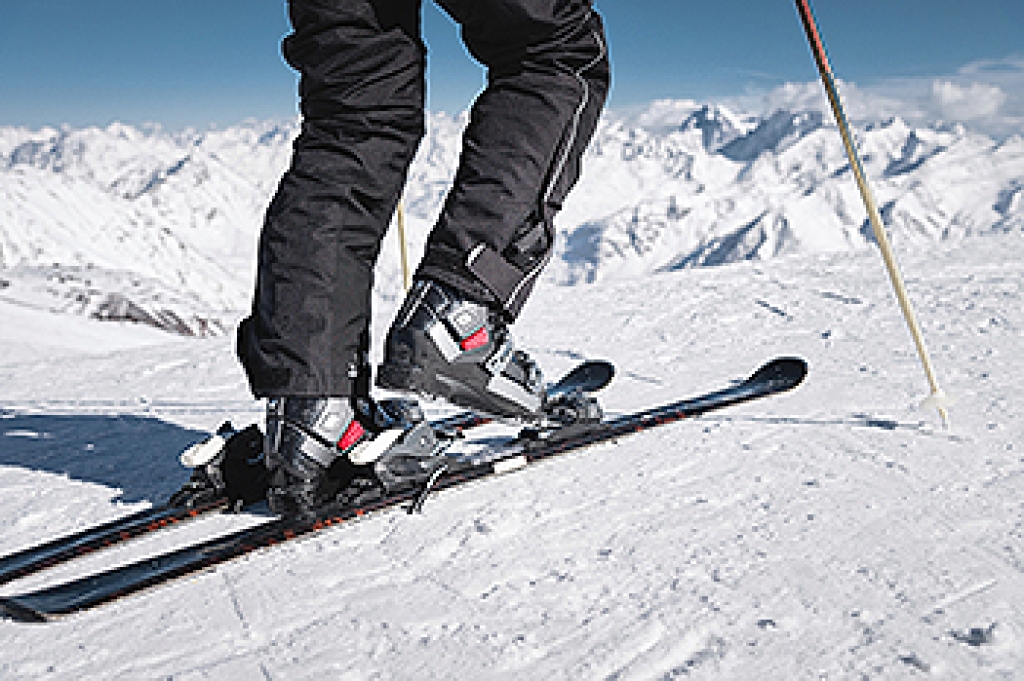
Winter activities challenge the feet and ankles in ways that warm weather sports do not. Skiing, skating, and snowboarding can place sudden force on the lower joints, leading to sprains, tendon irritation, or bruising. Additionally, fractures can occur if a landing or turn goes wrong. Boots that are stiff or overly tight can cause pressure points, while icy surfaces increase the chance of slipping and twisting the ankle. Cold temperatures also make muscles less flexible, which can reduce stability and slow reaction time. When discomfort develops, early care helps prevent a minor issue from turning into something more serious. A podiatrist can assess swelling, tenderness, or difficulty bearing weight, and determine which structures are involved. This foot doctor can also recommend protective footwear or supportive inserts, as well as offer targeted treatment to promote healing. If winter activities leave you with lingering foot or ankle pain, it is suggested that you see a podiatrist for effective relief solutions.

Ankle and foot injuries are common among athletes and in many sports. They can be caused by several problems and may be potentially serious. If you are feeling pain or think you were injured in a sporting event or when exercising, consult with one of our podiatrists from Grobowski Foot & Ankle. our doctors will assess your condition and provide you with quality foot and ankle treatment.

Common Injuries

The most common injuries that occur in sporting activities include:

  • Achilles Tendonitis
  • Achilles Tendon Rupture
  • Ankle Sprains
  • Broken Foot
  • Plantar Fasciitis
  • Stress Fractures
  • Turf Toe

Symptoms

Symptoms vary depending upon the injury and in some cases, there may be no symptoms at all. However, in most cases, some form of symptom is experienced. Pain, aching, burning, bruising, tenderness, tightness or stiffness, sensation loss, difficulty moving, and swelling are the most common symptoms.

Treatment

Just as symptoms vary depending upon the injury, so do treatment options. A common treatment method is known as the RICE method. This method involves rest, applying ice, compression and elevating the afflicted foot or ankle. If the injury appears to be more serious, surgery might be required, such as arthroscopic or reconstructive surgery. Lastly, rehabilitation or therapy might be needed to gain full functionality in the afflicted area. Any discomfort experienced by an athlete must be evaluated by a licensed, reputable medical professional.  

If you have any questions please contact one of our offices located in Bellevue, Seattle, and Issaquah, WA, . We offer the newest diagnostic and treatment technologies for all your foot and ankle needs.

Read more about Sports Related Foot and Ankle Injuries

Running Shoes for Comfort and Support

Choosing the right running shoes can make a big difference in comfort, performance, and injury prevention. Different types of running shoes are designed for different activities. Road running shoes are best for pavement and treadmills and offer lightweight support and smooth cushioning. Trail running shoes provide extra grip and protection for uneven and rocky surfaces. Cross training shoes are more versatile and work well for gym workouts and mixed activities, including running. Shoe cushioning is also important, as it helps absorb impact and reduce stress on the feet and joints. The right amount of cushioning depends on your foot structure, running style, and comfort needs. A podiatrist can evaluate your gait, foot shape, and activity level to recommend the best shoe type or custom orthotics, if needed. If your running shoes leave you sore or uncomfortable, it is suggested that you consult a podiatrist who can treat various foot conditions, and guide you on how to select shoes for your running style.

You should always make sure your running shoes fit properly in order to avoid injury. For more information, contact one of our podiatrists from Grobowski Foot & Ankle. our doctors can provide the care you need to keep you pain-free and on your feet.

Choosing the Right Running Shoe for Your Foot Type

Improper shoe sizing can cause a myriad of problems for your feet. Shoes that don’t fit you properly can lead to muscular imbalances in your body, which can result in foot, knee, and hip injuries.

Tips for Finding the Right Running Shoe

  • Make sure you have a thumb’s width of wiggle room between the end of your longest toe and the front of the shoe.
  • There should be little to no slipping at the heel
  • Don’t assume your size in one shoe brand will be your size in another
  • Do not lace up your shoes too tightly
  • Walk around in the store with your new shoes before you buy them

If you have any questions, please feel free to contact one of our offices located in Bellevue, Seattle, and Issaquah, WA, . We offer the newest diagnostic and treatment technologies for all your foot care needs.

Read more about Differences between Walking and Running Shoes

Connect With Us

scroll to top