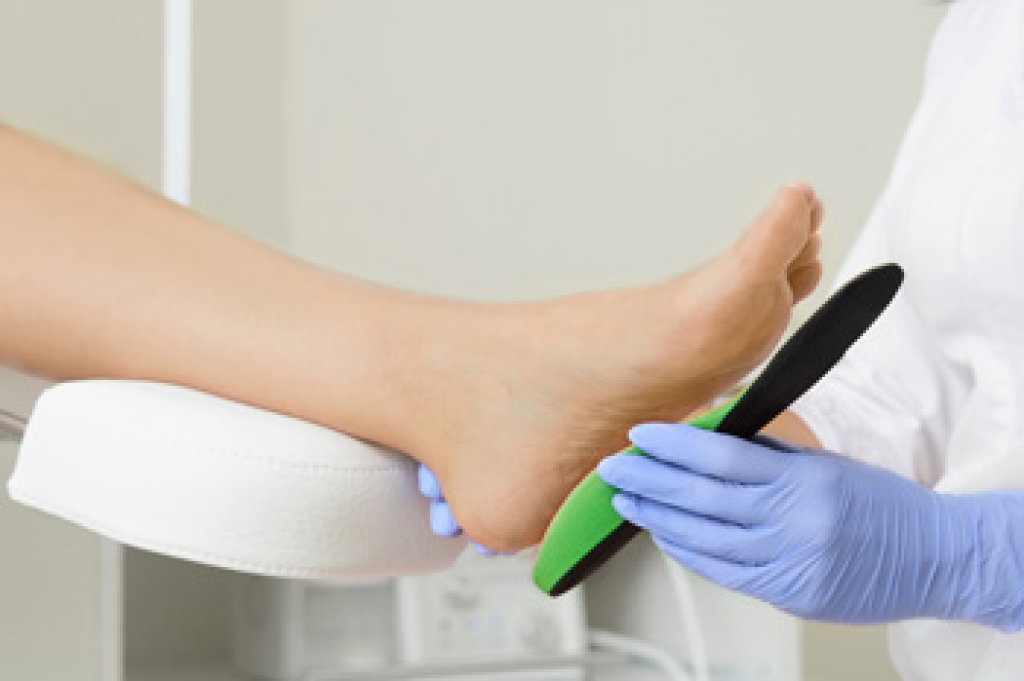
Common Uses for Orthotics

Orthotics are inserted into the shoes and are worn to correct issues with foot alignment or relieve pressure for other foot related issues. Orthotics can also help with problems like knee pain and lower back pain. They can be designed to take stress off of certain areas of the feet, and they can also help support and align the feet properly. Orthotics can be made custom by laser scanning the foot, by using a foam box, or by making a plaster cast. Orthotics can be used to delay surgery, particularly when a child needs to wait for their growth plates to close or for their bones to grow to the needed size. Orthotics may also be used post-surgery to help alleviate pain. If you believe orthotics are right for you, consulting with a podiatrist is suggested.

If you are having discomfort in your feet and would like to try orthotics, contact one of our podiatrists from Grobowski Foot & Ankle. our doctors can provide the care you need to keep you pain-free and on your feet.

What Are Orthotics?

Orthotics are inserts you can place into your shoes to help with a variety of foot problems such as flat feet or foot pain. Orthotics provide relief and comfort for minor foot and heel pain but can’t correct serious biomechanical problems in your feet.

Over-the-Counter Inserts

Orthotics come in a wide variety of over-the-counter inserts that are used to treat foot pain, heel pain, and minor problems. For example, arch supports can be inserted into your shoes to help correct overarched or flat feet, while gel insoles are often used because they provide comfort and relief from foot and heel pain by alleviating pressure.

Prescription Orthotics

If over-the-counter inserts don’t work for you or if you have a more severe foot concern, it is possible to have your podiatrist prescribe custom orthotics. These high-quality inserts are designed to treat problems such as abnormal motion, plantar fasciitis, and severe forms of heel pain. They can even be used to help patients suffering from diabetes by treating foot ulcers and painful calluses and are usually molded to your feet individually, which allows them to provide full support and comfort.

If you are experiencing minor to severe foot or heel pain, it’s recommended to speak with your podiatrist about the possibilities of using orthotics. A podiatrist can determine which type of orthotic is right for you and allow you to take the first steps towards being pain-free.

If you have any questions, please feel free to contact one of our offices located in Bellevue, Seattle, and Issaquah, WA, . We offer the newest diagnostic and treatment technologies for all your foot care needs.


Read more about Foot Orthotics

Heel and Arch Pain May Indicate Plantar Fasciitis

Plantar fasciitis is a common foot condition that many patients suffer from. It occurs when the plantar fascia becomes inflamed and can cause severe difficulty in walking. The plantar fascia is a band of tissue that connects the heel to the toes, and is found along the sole of the foot. Plantar fasciitis can be caused for a variety of reasons, including standing on hard surfaces for the majority of the day, wearing shoes that do not fit correctly, or it may come from having low or high arches. The pain is often felt in the heel and may be worse upon arising in the morning. It can help to perform specific stretches, and mild relief may be found when supportive insoles are worn. In severe cases, splints may have to be worn while sleeping, and this may help to stretch the feet. If you have heel pain, it is strongly suggested that you seek the counsel of a podiatrist who can effectively treat plantar fasciitis.

Plantar fasciitis can be very painful and inconvenient. If you are experiencing heel pain or symptoms of plantar fasciitis, contact one of our podiatrists  from Grobowski Foot & Ankle. our doctors can provide the care you need to keep you pain-free and on your feet.

What Is Plantar Fasciitis?

Plantar fasciitis is the inflammation of the thick band of tissue that runs along the bottom of your foot, known as the plantar fascia, and causes mild to severe heel pain.

What Causes Plantar Fasciitis?

  • Excessive running
  • Non-supportive shoes
  • Overpronation
  • Repeated stretching and tearing of the plantar fascia

How Can It Be Treated?

  • Conservative measures – anti-inflammatories, ice packs, stretching exercises, physical therapy, orthotic devices
  • Shockwave therapy – sound waves are sent to the affected area to facilitate healing and are usually used for chronic cases of plantar fasciitis
  • Surgery – usually only used as a last resort when all else fails. The plantar fascia can be surgically detached from the heel

While very treatable, plantar fasciitis is definitely not something that should be ignored. Especially in severe cases, speaking to your doctor right away is highly recommended to avoid complications and severe heel pain. Your podiatrist can work with you to provide the appropriate treatment options tailored to your condition.

If you have any questions, please feel free to contact one of our offices located in Bellevue, Seattle, and Issaquah, WA, . We offer the newest diagnostic and treatment technologies for all your foot care needs.

Read more about Plantar Fasciitis

An Overview of Morton's Neuroma

Morton's neuroma is a swollen, inflamed nerve in the foot. It usually occurs on the nerves between the toes. Symptoms of this condition include sharp, burning pains on the bottom of the foot, and numbness that can radiate to nearby toes. The pain of a Morton’s neuroma usually increases with activity and decreases at rest or when massaging the foot. Conservative treatments such as resting and icing the foot, taking anti-inflammatory medications, and modifying activities and footwear can alleviate symptoms. Surgery may be an option in severe or chronic cases. If you are experiencing the symptoms of Morton’s neuroma, please seek the care of a podiatrist.

Morton’s neuroma is a very uncomfortable condition to live with. If you think you have Morton’s neuroma, contact one of our podiatrists of Grobowski Foot & Ankle. our doctors will attend to all of your foot care needs and answer any of your related questions.  

Morton’s Neuroma

Morton's neuroma is a painful foot condition that commonly affects the areas between the second and third or third and fourth toe, although other areas of the foot are also susceptible. Morton’s neuroma is caused by an inflamed nerve in the foot that is being squeezed and aggravated by surrounding bones.

What Increases the Chances of Having Morton’s Neuroma?

  • Ill-fitting high heels or shoes that add pressure to the toe or foot
  • Jogging, running or any sport that involves constant impact to the foot
  • Flat feet, bunions, and any other foot deformities

Morton’s neuroma is a very treatable condition. Orthotics and shoe inserts can often be used to alleviate the pain on the forefront of the feet. In more severe cases, corticosteroids can also be prescribed. In order to figure out the best treatment for your neuroma, it’s recommended to seek the care of a podiatrist who can diagnose your condition and provide different treatment options.

If you have any questions, please feel free to contact one of our offices located in Bellevue, Seattle, and Issaquah, WA, . We offer the newest diagnostic and treatment technologies for all your foot care needs.

Read more about Morton's Neuroma

Why Live with Pain and Numbness in Your Feet?

Suffering from this type of pain? You may have the foot condition known as Morton's neuroma. Morton's neuroma may develop as a result of ill-fitting footwear and existing foot deformities. We can help.

Edema Is a Common Foot Condition During Pregnancy

Swelling, or edema is a common side effect of pregnancy. It can affect the feet and is typically very uncomfortable. This condition occurs as a result of the growing fetus that can put lots of pressure on the pelvis while pregnancy hormones can contribute to swollen feet. Larger shoes may need to be purchased to accommodate feet that swell and get bigger, in addition to sitting with the feet elevated as often as possible. Mild relief may also be found when water intake is increased and it can help to eat foods that are natural diuretics. Some women wear compression stockings as this can be beneficial in providing additional support to the feet as well.  If you would like to learn other reasons why edema may develop during pregnancy and how it affects the feet, please consult with a podiatrist who can answer any questions you may have.

Pregnant women with swollen feet can be treated with a variety of different methods that are readily available. For more information about other cures for swollen feet during pregnancy, consult with one of our podiatrists from Grobowski Foot & Ankle. our doctors will attend to all of your foot and ankle needs.

What Foot Problems Can Arise During Pregnancy?

One problem that can occur is overpronation, which occurs when the arch of the foot flattens and tends to roll inward.  This can cause pain and discomfort in your heels while you’re walking or even just standing up, trying to support your baby.  

Another problem is edema, or swelling in the extremities. This often affects the feet during pregnancy but tends to occur in the later stages. 

How Can I Keep My Feet Healthy During Pregnancy?

  • Wearing orthotics can provide extra support for the feet and help distribute weight evenly
  • Minimize the amount of time spent walking barefoot
  • Wear shoes with good arch support
  • Wear shoes that allow for good circulation to the feet
  • Elevate feet if you experience swelling
  • Massage your feet
  • Get regular, light exercise, such as walking, to promote blood circulation to the feet

If you have any questions, please feel free to contact one of our offices located in Bellevue, Seattle, and Issaquah, WA, . We offer the newest diagnostic and treatment technologies for all your foot care needs.

Read more about Pregnancy and Foot Health

Connect With Us

scroll to top