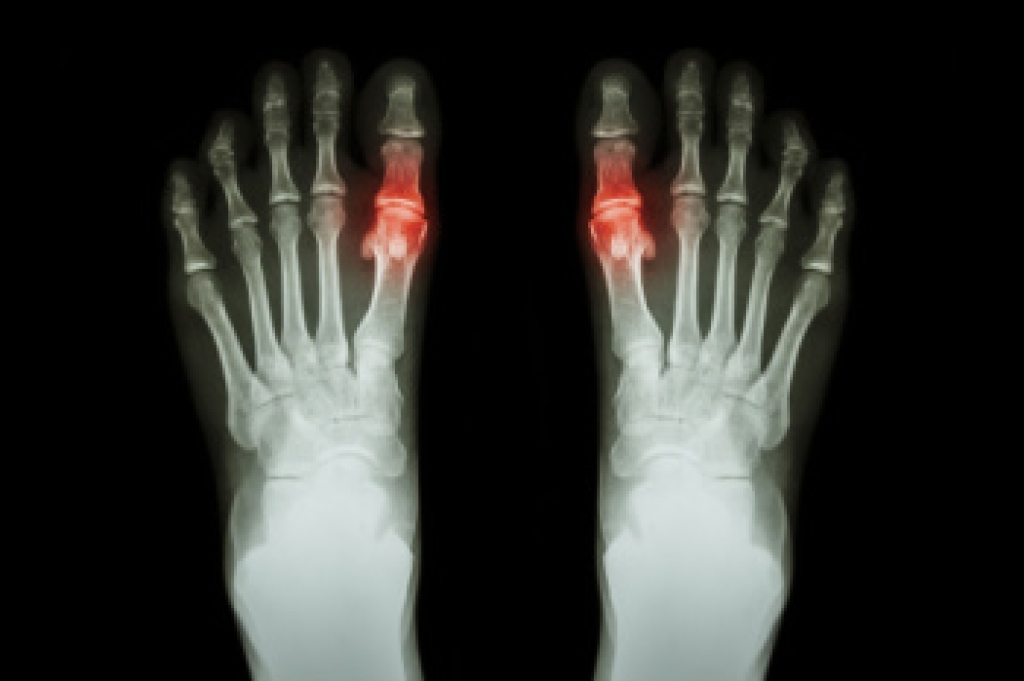
How Podiatrists Can Test for Gout

Gout is a type of arthritis that occurs when there is a buildup of uric acid in the body, leading to the formation of sharp crystals in the joints. This often results in sudden, severe pain and swelling, particularly in the big toe. When testing for gout, a podiatrist typically starts by reviewing a patient’s symptoms and history. To confirm a diagnosis, lab tests may be used, such as checking uric acid levels in the blood. A higher level of uric acid can indicate gout, but it is not always conclusive. Joint fluid analysis is a more definitive test, where fluid is taken from the affected joint and examined for uric acid crystals. Imaging tests like ultrasounds or X-rays may also be performed to detect urate crystals or rule out other conditions causing the joint pain. A podiatrist then monitors uric acid levels during treatment to ensure it is effective and adjusts the plan as needed. If you are experiencing big toe pain that may be caused by gout, it is suggested that you schedule an appointment with a podiatrist.

Gout is a foot condition that requires certain treatment and care. If you are seeking treatment, contact one of our podiatrists from Grobowski Foot & Ankle. our doctors will treat your foot and ankle needs.

What Is Gout?

Gout is a type of arthritis caused by a buildup of uric acid in the bloodstream. It often develops in the foot, especially the big toe area, although it can manifest in other parts of the body as well. Gout can make walking and standing very painful and is especially common in diabetics and the obese.

People typically get gout because of a poor diet. Genetic predisposition is also a factor. The children of parents who have had gout frequently have a chance of developing it themselves.

Gout can easily be identified by redness and inflammation of the big toe and the surrounding areas of the foot. Other symptoms include extreme fatigue, joint pain, and running high fevers. Sometimes corticosteroid drugs can be prescribed to treat gout, but the best way to combat this disease is to get more exercise and eat a better diet.

If you have any questions, please feel free to contact one of our offices located in Bellevue, Seattle, and Issaquah, WA, . We offer the newest diagnostic and treatment technologies for all your foot care needs.

Read more about Everything You Need to Know About Gout

What Are Plantar Warts?

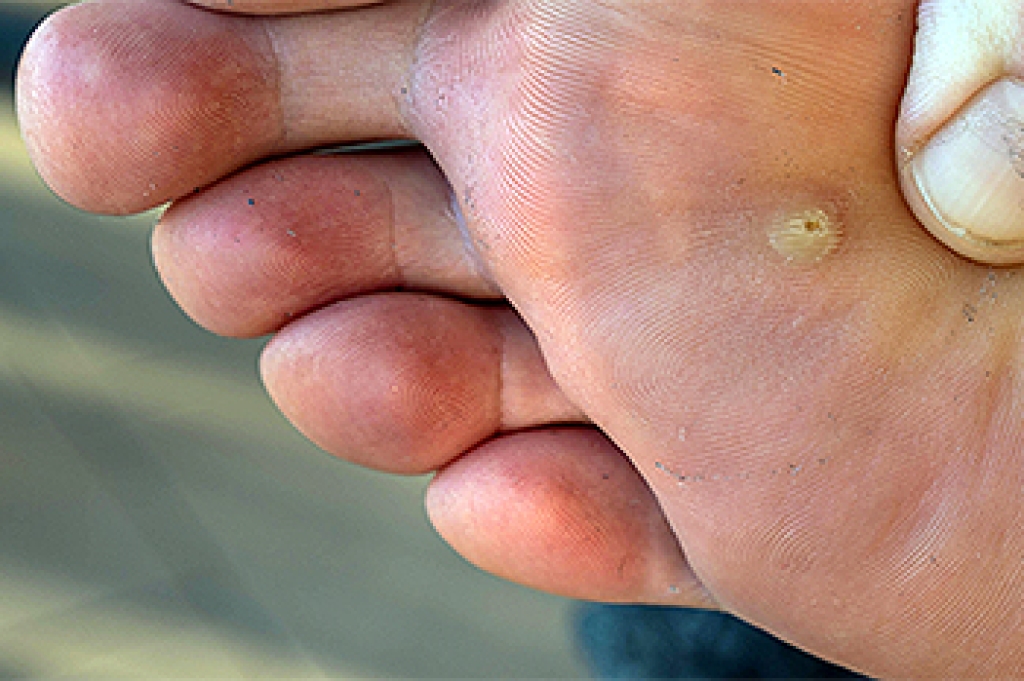
Plantar warts are benign growths that develop on the soles of the feet, caused by the human papillomavirus, or HPV. They appear as small, rough, and grainy lesions, often with tiny black dots inside, which are small blood vessels. These warts can be painful, especially when pressure is applied, such as while walking or standing. Plantar warts are typically spread in warm, moist environments like swimming pools or locker rooms, where the virus can easily enter through small cuts or abrasions in the skin. In some cases, treatments like cryotherapy, freezing, or laser therapy may be recommended. For persistent or painful plantar warts, it is suggested you schedule an appointment with a podiatrist to explore treatment options and receive professional care.

Plantar warts can be very uncomfortable. If you need your feet checked, contact one of our podiatrists from Grobowski Foot & Ankle. our doctors will assist you with all of your foot and ankle needs.

About Plantar Warts

Plantar warts are the result of HPV, or human papillomavirus, getting into open wounds on the feet. They are mostly found on the heels or balls of the feet.

While plantar warts are generally harmless, those experiencing excessive pain or those suffering from diabetes or a compromised immune system require immediate medical care. Plantar warts are easily diagnosed, usually through scraping off a bit of rough skin or by getting a biopsy.

Symptoms

  • Lesions on the bottom of your feet, usually rough and grainy
  • Hard or thick callused spots
  • Wart seeds, which are small clotted blood vessels that look like little black spots
  • Pain, discomfort, or tenderness of your feet when walking or standing

Treatment

  • Freezing
  • Electric tool removal
  • Laser Treatment
  • Topical Creams (prescription only)
  • Over-the-counter medications

To help prevent developing plantar warts, avoid walking barefoot over abrasive surfaces that can cause cuts or wounds for HPV to get into. Avoiding direct contact with other warts, as well as not picking or rubbing existing warts, can help prevent the further spread of plantar warts. However, if you think you have developed plantar warts, speak to your podiatrist. He or she can diagnose the warts on your feet and recommend the appropriate treatment options.

If you have any questions, please feel free to contact one of our offices located in Bellevue, Seattle, and Issaquah, WA, . We offer the newest diagnostic and treatment technologies for all your foot care needs.
Read more about Plantar Warts

Causes of Pain on the Outside of the Foot

Pain on the outer side of the foot can stem from various issues, including foot fractures, cuboid syndrome, and peroneus brevis tendon strain. Foot fractures, including those affecting the metatarsals or the bones of the outer foot, can result in significant pain and swelling. Cuboid syndrome occurs when the cuboid bone, located in the midfoot, becomes misaligned, leading to pain and swelling on the outer side of the foot. The peroneus brevis tendon, which runs along the outer ankle, can become strained due to overuse or abrupt increases in activity, causing pain and discomfort on the outer foot. If you have pain in this part of your foot, it is suggested that you confer with a podiatrist who can determine the cause and offer correct treatment methods.

Foot Pain

Foot pain can be extremely painful and debilitating. If you have a foot pain, consult with one of our podiatrists from Grobowski Foot & Ankle. our doctors will assess your condition and provide you with quality foot and ankle treatment.

Causes

Foot pain is a very broad condition that could be caused by one or more ailments. The most common include:

  • Bunions
  • Hammertoes
  • Plantar Fasciitis
  • Bone Spurs
  • Corns
  • Tarsal Tunnel Syndrome
  • Ingrown Toenails
  • Arthritis (such as Gout, Rheumatoid, and Osteoarthritis)
  • Flat Feet
  • Injury (from stress fractures, broken toe, foot, ankle, Achilles tendon ruptures, and sprains)
  • And more

Diagnosis

To figure out the cause of foot pain, podiatrists utilize several different methods. This can range from simple visual inspections and sensation tests to X-rays and MRI scans. Prior medical history, family medical history, and any recent physical traumatic events will all be taken into consideration for a proper diagnosis.

Treatment

Treatment depends upon the cause of the foot pain. Whether it is resting, staying off the foot, or having surgery; podiatrists have a number of treatment options available for foot pain.

If you have any questions, please feel free to contact one of our offices located in Bellevue, Seattle, and Issaquah, WA, . We offer the newest diagnostic and treatment technologies for all your foot care needs.

Read more about Foot Pain

How Foot Function in Diabetic Patients Relates to Limb Salvage

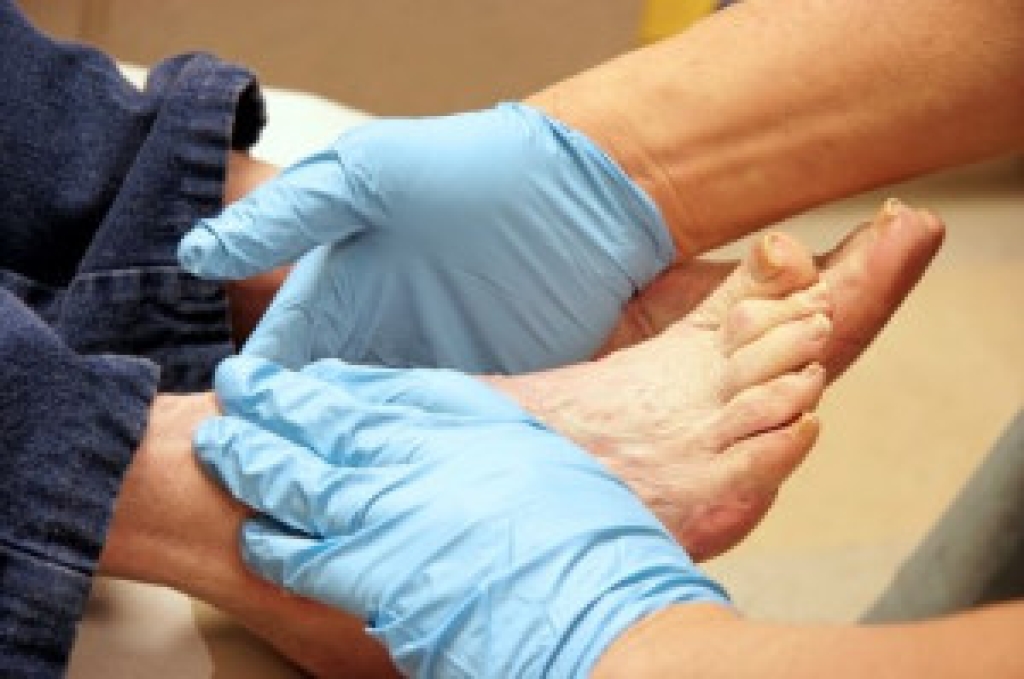
Diabetes can lead to peripheral neuropathy and poor circulation, making the foot more vulnerable to injuries. Altered foot biomechanics, such as abnormal pressure distribution or foot deformities, can increase the risk of ulcers, particularly in weight-bearing areas like the heel or ball of the foot. Without the protective sensation due to neuropathy, individuals may not notice injuries, which, combined with poor healing due to impaired circulation, can escalate to infections or deep tissue damage. This increases the risk of gangrene and amputation. Limb salvage focuses on correcting or accommodating these biomechanical issues to prevent ulceration and promote healing. This may involve custom orthotics, offloading devices, or surgical intervention to correct deformities. Early detection, proper foot care, and regular monitoring are essential to avoid complications and preserve limb function in diabetic patients. If you have diabetes, it is strongly suggested that you visit a podiatrist regularly to have your feet examined, so any abnormalities or injuries can be promptly treated.

Diabetic Limb Salvage

Diabetic limb salvage can be an effective way in preventing the need for limb amputation. If you have a foot ulcer and diabetes, consult with one of our podiatrists from Grobowski Foot & Ankle. our doctors will assess your condition and provide you with quality foot and ankle treatment.

What Is Diabetic Limb Salvage?

Diabetic limb salvage is the attempt of saving a limb, such as the foot, that has an infected ulcer, from amputation. Podiatrists also try to make sure that there is enough function in the foot after the salvage that it is still usable. Those with diabetes experience poor blood circulation, which prevents proper healing of an ulcer. If the ulcer is left uncheck, it could become infected, which could result in the need for amputation.

Diabetes is the number one cause of non-traumatic amputations in the United States. Amputation has been found to lead to higher mortality rates. This translates into higher healthcare costs, and a reduced quality of life and mobility for amputees. Podiatrists have attempted to increase the prevalence of limb salvage in an attempt to solve these issues.

Diagnosis and Treatment

Limb salvage teams have grown in recent years that utilize a number of different treatments to save the infected limb. This includes podiatrists that specialize in wound care, rehabilitation, orthotics, and surgery. Through a combination of these methods, limb salvage has been found to be an effective treatment for infected limbs, and as an alternative to amputation. Podiatrists will first evaluate the potential for limb salvage and determine if the limb can be saved or must be amputated. 

If you have any questions, please feel free to contact one of our offices located in Bellevue, Seattle, and Issaquah, WA, . We offer the newest diagnostic and treatment technologies for all your foot care needs.

Read more about Diabetic Limb Salvage

Connect With Us

scroll to top