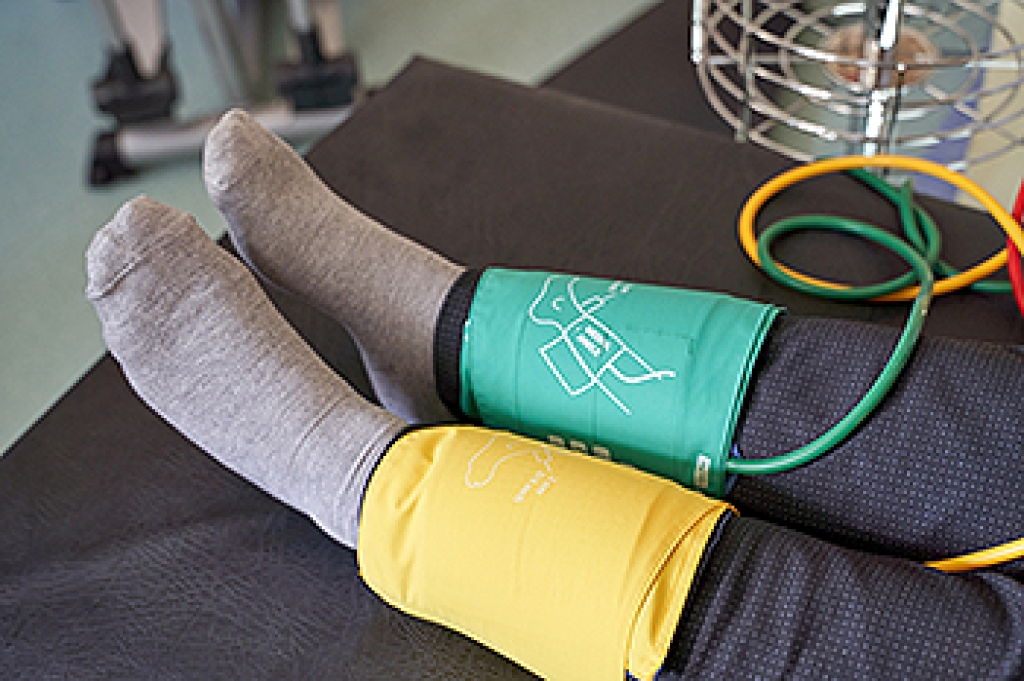
How a Podiatrist Tests for Peripheral Artery Disease

Testing for peripheral artery disease focuses on blood flow to the feet, toes, and ankles. Changes in circulation can affect skin temperature, nail health, healing, and walking comfort. During an exam, a podiatrist checks how well blood is reaching the feet and toes, skin color, and temperature to look for reduced flow. In-office tools allow listening to blood movement and comparing pressure between the ankle and toe, which helps identify peripheral artery disease later in the visit. Findings guide decisions about monitoring, further testing, or surgery when circulation is severely limited. Assessment is important for people with slow-healing sores, numbness, or color changes in the feet. A podiatrist explains results, tracks changes over time, and helps lower the risk of wounds, infection, and loss of limb affecting the feet. For help with foot problems, it is suggested that you consult a podiatrist for an exam and treatment.

Peripheral artery disease can pose a serious risk to your health. It can increase the risk of stroke and heart attack. If you have symptoms of peripheral artery disease, consult with one of our podiatrists from Grobowski Foot & Ankle. our doctors will assess your condition and provide you with quality foot and ankle treatment.

Peripheral artery disease (PAD) is when arteries are constricted due to plaque (fatty deposits) build-up. This results in less blood flow to the legs and other extremities. The main cause of PAD is atherosclerosis, in which plaque builds up in the arteries.

Symptoms

Symptoms of PAD include:

  • Claudication (leg pain from walking)
  • Numbness in legs
  • Decrease in growth of leg hair and toenails
  • Paleness of the skin
  • Erectile dysfunction
  • Sores and wounds on legs and feet that won’t heal
  • Coldness in one leg

It is important to note that a majority of individuals never show any symptoms of PAD.

Diagnosis

While PAD occurs in the legs and arteries, Podiatrists can diagnose PAD. Podiatrists utilize a test called an ankle-brachial index (ABI). An ABI test compares blood pressure in your arm to you ankle to see if any abnormality occurs. Ultrasound and imaging devices may also be used.

Treatment

Fortunately, lifestyle changes such as maintaining a healthy diet, exercising, managing cholesterol and blood sugar levels, and quitting smoking, can all treat PAD. Medications that prevent clots from occurring can be prescribed. Finally, in some cases, surgery may be recommended.

If you have any questions, please feel free to contact one of our offices located in Bellevue, Seattle, and Issaquah, WA, . We offer the newest diagnostic and treatment technologies for all your foot care needs.

Read more about Peripheral Artery Disease

Red Spots on the Feet

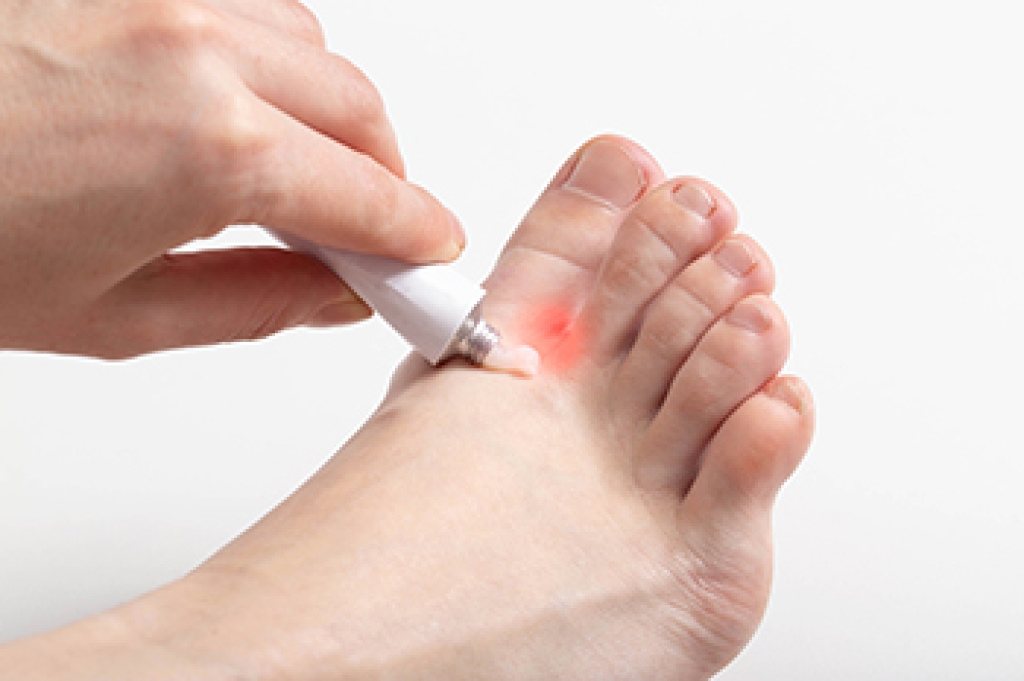
Red spots on the feet can be concerning and may have several causes, including athlete's foot or blisters. Athlete's foot often appears as red, flaky, or scaly patches, sometimes with cracking skin, and is caused by a fungal infection that thrives in warm, moist environments. It may feel itchy, burning, or irritated. Blisters, on the other hand, are usually caused by friction from footwear or repetitive movement and may look like raised, fluid filled spots that feel tender, sore, or painful when walking. A podiatrist can help from the start by examining the skin, discussing symptoms, and determining whether the cause is fungal, mechanical, or related to another condition. Treatment may include antifungal medications, protective padding, blister care, or custom orthotics to reduce pressure. Early diagnosis helps prevent worsening symptoms and promotes faster healing and comfort. If you have suspicious red spots on your feet, it is suggested that you schedule an appointment with a podiatrist for an accurate diagnose and effective treatment solutions.

Athlete’s foot is an inconvenient condition that can be easily reduced with the proper treatment. If you have any concerns about your feet and ankles, contact one of our podiatrists from Grobowski Foot & Ankle.  our doctors will treat your foot and ankle needs.

Athlete’s Foot: The Sole Story

Athlete's foot, also known as tinea pedis, can be an extremely contagious foot infection. It is commonly contracted in public changing areas and bathrooms, dormitory style living quarters, around locker rooms and public swimming pools, or anywhere your feet often come into contact with other people.

Solutions to Combat Athlete’s Foot

  • Hydrate your feet by using lotion
  • Exfoliate
  • Buff off nails
  • Use of anti-fungal products
  • Examine your feet and visit your doctor if any suspicious blisters or cuts develop

Athlete’s foot can cause many irritating symptoms such as dry and flaking skin, itching, and redness. Some more severe symptoms can include bleeding and cracked skin, intense itching and burning, and even pain when walking. In the worst cases, Athlete’s foot can cause blistering as well. Speak to your podiatrist for a better understanding of the different causes of Athlete’s foot, as well as help in determining which treatment options are best for you.

If you have any questions please feel free to contact one of our offices located in Bellevue, Seattle, and Issaquah, WA, . We offer the newest diagnostic and treatment technologies for all your foot and ankle needs.

Read more about Athlete's Foot

Achieving the Perfect Fit in Running Shoes

Getting a great fit in running shoes is essential for comfort, performance, and injury prevention. Proper toe fit allows toes to move freely without rubbing or crowding, reducing the risk of blisters and nail issues. Midfoot fit ensures the shoe supports the arch and prevents slipping, while a secure heel fit stabilizes the foot and minimizes friction that can lead to discomfort or injury. Shoe size and shape should match your foot structure and running style. A podiatrist can help by evaluating foot mechanics, identifying pressure points, recommending appropriate footwear, and suggesting custom orthotics, if needed. If running causes foot pain, discomfort, or frequent injuries, it is suggested that you consult a podiatrist who can treat various foot conditions, and provide additional guidance on how to choose shoes that fit properly. 

Getting the right shoe size is an important part of proper foot health. Seek the assistance of one of our podiatrists from Grobowski Foot & Ankle. our doctors will provide the care you need to keep you pain-free and on your feet.

Getting the Right Shoe Size

There are many people who wear shoes that are the incorrect size, negatively affecting their feet and posture. Selecting the right shoes is not a difficult process, so long as you keep several things in mind when it comes to choosing the right pair.

  • When visiting the shoe store, use the tools available to measure your foot.
  • Be sure there is ‘wiggle room’. There should be about an inch between your toes and the tip of your shoes.
  • Do not always assume you are the same size, as manufacturers run differently.
  • Purchase shoes later in the day, as your feet swell as the day progresses.
  • If a shoe is not comfortable, it is not suitable. Most shoes can’t be ‘broken in’, and comfort should be the ultimate goal when it comes to choosing the right pair of shoes

As our feet hold our body weight and keep us moving, it is important to treat them right. Picking the right pair of shoes can provide your feet comfort and mobility without pain.

If you have any questions, please feel free to contact one of our offices located in Bellevue, Seattle, and Issaquah, WA, . We offer the newest diagnostic and treatment technologies for all your foot care needs.
Read more about Getting the Right Shoe Size: To Keep Your Feet Happy

Preventing Setbacks from Diabetic Foot Ulcers

Diabetic foot ulcers are a serious complication of diabetes that develop when high blood sugar and reduced circulation impair the skin’s ability to heal. These ulcers often appear on the bottom of the foot or pressure points and may look like open sores with surrounding redness or thickened edges. They can feel painful, or in some cases numb due to nerve damage, making them easy to overlook until infection occurs. Causes include nerve damage, poor circulation, prolonged pressure, and minor injuries that do not heal properly. A podiatrist begins with a careful exam, assessing circulation, sensation, and the depth of the ulcer, often using imaging or lab tests to rule out infection. Treatment may include specialized wound care and debridement, custom orthotics or offloading devices to reduce pressure, and education on proper foot care to prevent recurrence. If you have diabetes, and suffer from foot ulcers, it is suggested that you make an appointment with a podiatrist.

Diabetic foot care is important in preventing foot ailments such as ulcers. If you are suffering from diabetes or have any other concerns about your feet, contact one of our podiatrists from Grobowski Foot & Ankle. our doctors can provide the care you need to keep you pain-free and on your feet.

Diabetic Foot Care

Diabetes affects millions of people every year. The condition can damage blood vessels in many parts of the body, especially the feet. Because of this, taking care of your feet is essential if you have diabetes, and having a podiatrist help monitor your foot health is highly recommended.

The Importance of Caring for Your Feet

  • Routinely inspect your feet for bruises or sores.
  • Wear socks that fit your feet comfortably.
  • Wear comfortable shoes that provide adequate support.

Patients with diabetes should have their doctor monitor their blood levels, as blood sugar levels play such a huge role in diabetic care. Monitoring these levels on a regular basis is highly advised.

It is always best to inform your healthcare professional of any concerns you may have regarding your feet, especially for diabetic patients. Early treatment and routine foot examinations are keys to maintaining proper health, especially because severe complications can arise if proper treatment is not applied.

If you have any questions, please feel free to contact one of our offices located in Bellevue, Seattle, and Issaquah, WA, . We offer the newest diagnostic and treatment technologies for all your foot care needs.

Read more about Diabetic Foot Care

Connect With Us

scroll to top