
Your feet are covered most of the day. If you're diabetic, periodic screening is important for good health. Numbness is often a sign of diabetic foot and can mask a sore or wound.
Your feet are covered most of the day. If you're diabetic, periodic screening is important for good health. Numbness is often a sign of diabetic foot and can mask a sore or wound.

Foot pain is common among restaurant workers who spend long hours standing, walking, and carrying supplies. Repeated pressure can affect the heels, arches, and ankles. Symptoms may include aching, tenderness, or pain that worsens near the end of a shift. Common causes include overuse, poor footwear, and hard flooring. Conditions such as plantar fasciitis, tendon irritation, and stress injuries may also contribute to discomfort.
Restaurant workers face several risk factors for foot pain. Long shifts, walking, and standing on concrete can increase strain. Wearing worn-out shoes or footwear without adequate cushioning may add pressure. A podiatrist can evaluate your gait, footwear, and medical history. The examination may include checking range of motion and identifying inflammation or structural concerns. Imaging tests may be recommended when a fracture or another underlying problem is suspected.
Choosing the right restaurant work shoes can help reduce stress on your feet. Look for comfort, cushioning and a stable fit. A slip-resistant outsole can help improve traction on wet or greasy floors. A water-resistant upper can help protect the feet from spills and moisture. Shoes should provide enough room for the toes without excess movement. Replace shoes when cushioning becomes compressed or the outsole loses traction. A podiatrist may recommend stretching, orthotics, or other treatment based on your diagnosis.
Do not ignore foot pain that continues after rest or affects your ability to work. A podiatrist can create a treatment plan focused on pain relief and healing. Treatment may include footwear changes, orthotics, or exercises. More advanced care may be considered when conservative care does not provide relief. If you have foot pain during your work day, it is suggested that you consult a podiatrist for a diagnosis and appropriate treatment.
While working on the feet, it is important to take the proper care of them. For more information about working on your feet, contact one of our podiatrists from Grobowski Foot & Ankle. our doctors will treat your foot and ankle needs.
Working on Your Feet
Standing on your feet for long periods of time can cause stress and pain in your feet. Your whole body may experience change in terms of posture, back pain, bunions, callouses and or plantar warts. There are ways to avoid these conditions with proper foot care, smart choices and correct posture.
Positive Changes
Negative heeled shoe – Choosing this shoe type places the heel slightly lower than the ball of the foot. These are great for overall foot health. Find shoes that fit you correctly.
Go barefoot – Our feet were not designed to be enclosed for all hours of the day. Try to periodically expose your feet to air.
Eliminate Pain
Foot Exercises – Performing simple exercises, incorporating yoga and doing stretches are beneficial. This will allow increased blood flow to the area and muscles of the foot.
Achilles tendon – Stretching the foot out flat on the floor will relax the calf muscles and tendon. These exercises can be performed almost anywhere. Make sure you add these exercises to your daily regimen.
With a little bit of this information and knowing more about foot health, you will notice changes. Foot stretches and proper footwear will help with pain and prevent further issues.
If you have any questions please contact one of our offices located in Bellevue, Seattle, and Issaquah, WA, . We offer the newest diagnostic and treatment technologies for all your foot and ankle needs.
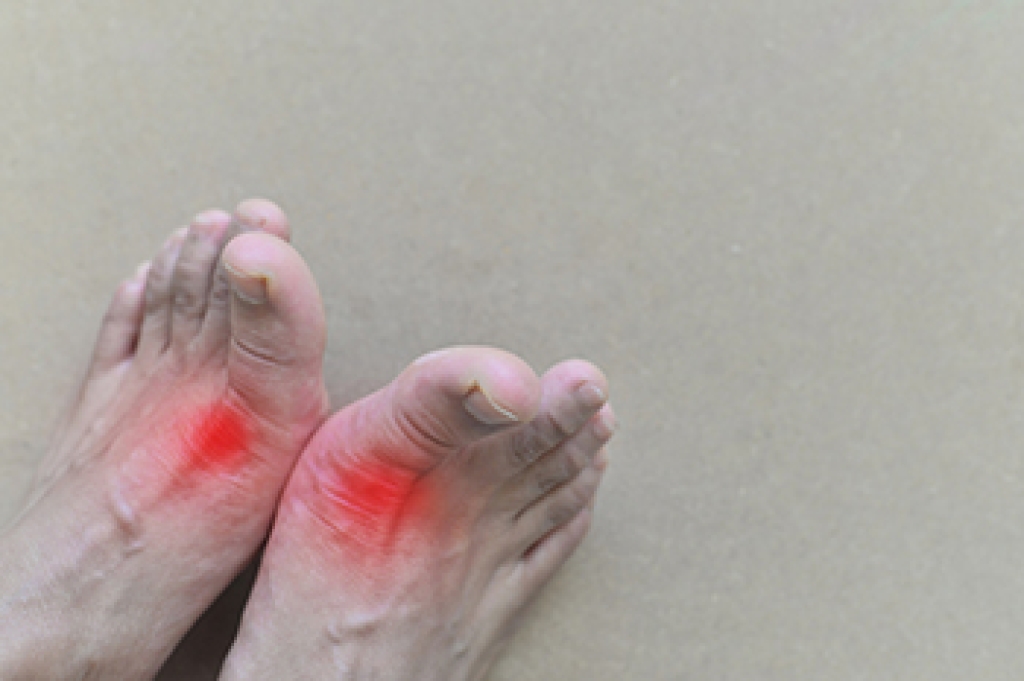
Gout can cause sudden episodes of severe pain in the joints of the foot. It is a form of inflammatory arthritis and often begins in the big toe, although the ankle and other toes may also be affected. A gout flare typically affects one joint at a time, and may begin suddenly during the night. The painful joint can become swollen, red, and warm. Symptoms usually improve within one or two weeks, but the timing between attacks varies. Some people experience frequent episodes, while others may go years without another flare. When gout affects the foot, the discomfort can make normal walking and movement difficult.
The underlying cause of gout is a long-term buildup of uric acid in the body. Uric acid is a waste product produced when substances called purines are broken down. The kidneys normally filter uric acid from the blood. However, the body may produce too much or fail to remove enough. In some people, the excess uric acid forms sharp crystals inside the joints, leading to inflammation and pain. Without treatment, gout attacks may eventually become more frequent and last longer. Long-term gout can also produce hard deposits called tophi that may damage bones and surrounding tissues.
A podiatrist can examine a painful foot joint and help determine whether gout may be responsible for the symptoms. Diagnosis can involve reviewing the patient's medical history and examining the affected joint. Testing may also be needed to identify uric acid crystals or rule out other causes of foot pain. Treatment can help relieve gout flares and reduce the chance of future attacks. Certain medications may also lower uric acid levels and help prevent complications. If you have sudden and intense pain or swelling in a foot joint, it is suggested that you consult a podiatrist who can help you to manage this painful condition.
Gout is a foot condition that requires certain treatment and care. If you are seeking treatment, contact one of our podiatrists from Grobowski Foot & Ankle. our doctors will treat your foot and ankle needs.
What Is Gout?
Gout is a type of arthritis caused by a buildup of uric acid in the bloodstream. It often develops in the foot, especially the big toe area, although it can manifest in other parts of the body as well. Gout can make walking and standing very painful and is especially common in diabetics and the obese.
People typically get gout because of a poor diet. Genetic predisposition is also a factor. The children of parents who have had gout frequently have a chance of developing it themselves.
Gout can easily be identified by redness and inflammation of the big toe and the surrounding areas of the foot. Other symptoms include extreme fatigue, joint pain, and running high fevers. Sometimes corticosteroid drugs can be prescribed to treat gout, but the best way to combat this disease is to get more exercise and eat a better diet.
If you have any questions, please feel free to contact one of our offices located in Bellevue, Seattle, and Issaquah, WA, . We offer the newest diagnostic and treatment technologies for all your foot care needs.

Falls are a major concern for seniors because balance, vision, and reaction time can change with age. A fall happens when a person unexpectedly loses balance. Symptoms after a fall may include foot or ankle pain, swelling, and difficulty walking. Risk factors include poor balance, medication effects, and vision changes. Falls can also cause sprains, fractures, and other injuries that may affect mobility and independence.
Many household hazards can increase fall risk. Poor lighting can make steps, thresholds, and obstacles difficult to see. Slippery surfaces in bathrooms, kitchens, or entryways may cause the feet to lose traction. Additionally, loose area rugs can shift unexpectedly underfoot. Seniors should keep walkways clear and improve lighting throughout the home. Wearing proper footwear with slip-resistant outsoles can improve stability. Shoes should fit securely and provide adequate room for the toes without slipping at the heel.
A podiatrist can evaluate foot and ankle pain after a fall and check for injuries that may not be obvious. Depending on the findings, treatment may include a physical examination, supportive bracing, or activity recommendations. A podiatrist may also recommend footwear changes or custom orthotics to improve support and balance. Common conditions after falls include ankle sprains, stress fractures, and tendon injuries. Early treatment can help control symptoms and support a safer return to normal activity.
Seniors should seek professional evaluation when pain, swelling, or bruising continues after a fall. Ignoring symptoms can allow an injury to worsen and may increase the chance of another fall. A podiatrist can identify contributing foot conditions and develop a personalized treatment plan. Regular foot care, wearing safe footwear, and a safer home environment can help seniors remain active and confident. If you have foot or ankle pain from falling, it is suggested that you consult a podiatrist for an accurate diagnosis and appropriate treatment.
Preventing falls among the elderly is very important. If you are older and have fallen or fear that you are prone to falling, consult with one of our podiatrists from Grobowski Foot & Ankle. our doctors will assess your condition and provide you with quality advice and care.
Every 11 seconds, an elderly American is being treated in an emergency room for a fall related injury. Falls are the leading cause of head and hip injuries for those 65 and older. Due to decreases in strength, balance, senses, and lack of awareness, elderly persons are very susceptible to falling. Thankfully, there are a number of things older persons can do to prevent falls.
How to Prevent Falls
Some effective methods that older persons can do to prevent falls include:
Falling can be a traumatic and embarrassing experience for elderly persons; this can make them less willing to leave the house, and less willing to talk to someone about their fears of falling. Doing such things, however, will increase the likelihood of tripping or losing one’s balance. Knowing the causes of falling and how to prevent them is the best way to mitigate the risk of serious injury.
If you have any questions, please feel free to contact one of our offices located in Bellevue, Seattle, and Issaquah, WA, . We offer the newest diagnostic and treatment technologies for all your foot care needs.
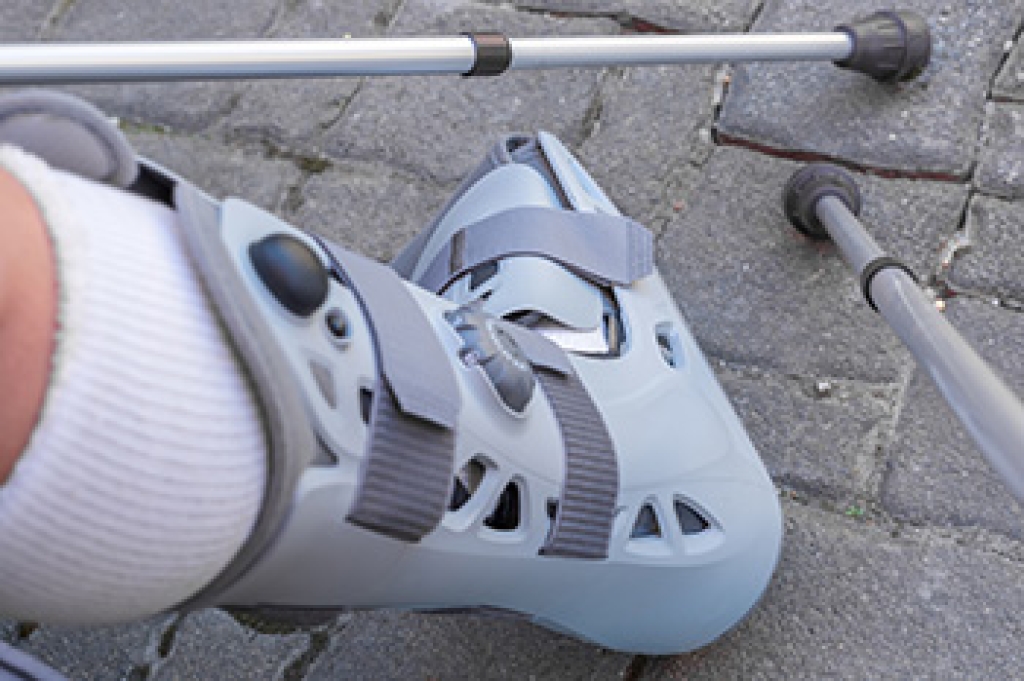
A foot wound often needs more than a clean dressing. Each step can pressure damaged skin, slow healing, and deepen the wound. An off-loading device reduces that pressure by shifting weight away from the sore area. A podiatrist can recommend a healing shoe, sandal, or walking boot. A heel-suspension boot is also a choice. Prefabricated sandals and healing shoes differ in their design, materials, and purpose. They can provide better fit, support, and protection than standard choices. However, a ready-made device needs a molded footbed or custom insert to provide proper support and pressure relief.
A podiatrist selects and adjusts the device based on the wound and foot shape. The correct device must fit well and stay in the proper position. A custom insert can have a recessed area under the wound so the sore spot does not bear weight. A metatarsal bar can move pressure away from the front of the foot. A higher boot can give added support to a foot with major shape changes. For a heel wound, a specially cut boot can keep the injured area from touching a bed, chair, or footstool.
Off-loading works best as one part of professional wound care. A podiatrist can examine the wound, remove unhealthy tissue, and apply an appropriate dressing. Follow-up visits allow the doctor to check healing and adjust the device as swelling or pressure points change. Patients should use the off-loading device exactly as directed, including when walking or resting. A poorly fitted device can rub the skin, shift pressure to a new area, or cause the wound to worsen. Prompt care is especially important if redness, drainage, or swelling develops. Odor can also signal a problem. If you have a foot wound that needs professional care, it is suggested that you consult a podiatrist who can discuss the benefits of off-loading devices with you.
Wound care is an important part in dealing with diabetes. If you have diabetes and a foot wound or would like more information about wound care for diabetics, consult with one of our podiatrists from Grobowski Foot & Ankle. our doctors will assess your condition and provide you with quality foot and ankle treatment.
What Is Wound Care?
Wound care is the practice of taking proper care of a wound. This can range from the smallest to the largest of wounds. While everyone can benefit from proper wound care, it is much more important for diabetics. Diabetics often suffer from poor blood circulation which causes wounds to heal much slower than they would in a non-diabetic.
What Is the Importance of Wound Care?
While it may not seem apparent with small ulcers on the foot, for diabetics, any size ulcer can become infected. Diabetics often also suffer from neuropathy, or nerve loss. This means they might not even feel when they have an ulcer on their foot. If the wound becomes severely infected, amputation may be necessary. Therefore, it is of the upmost importance to properly care for any and all foot wounds.
How to Care for Wounds
The best way to care for foot wounds is to prevent them. For diabetics, this means daily inspections of the feet for any signs of abnormalities or ulcers. It is also recommended to see a podiatrist several times a year for a foot inspection. If you do have an ulcer, run the wound under water to clear dirt from the wound; then apply antibiotic ointment to the wound and cover with a bandage. Bandages should be changed daily and keeping pressure off the wound is smart. It is advised to see a podiatrist, who can keep an eye on it.
If you have any questions please contact one of our offices located in Bellevue, Seattle, and Issaquah, WA, . We offer the newest diagnostic and treatment technologies for all your foot and ankle needs.
Connect With Us
