Ankle Impingement Explained

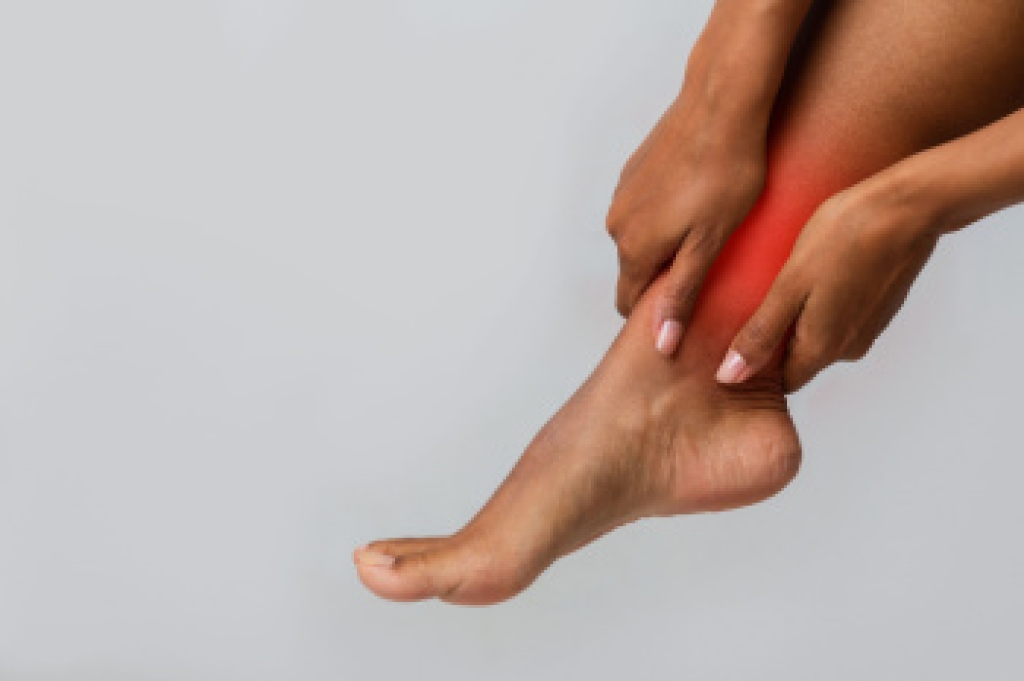
Ankle impingement occurs when soft tissues, such as ligaments or tendons, become pinched between the bones of the ankle joint, leading to pain and restricted movement. This condition often develops due to repetitive ankle use or trauma, such as a sprain, making it common among athletes, dancers, and individuals with occupations requiring repetitive ankle motion. People with ankle impingement typically feel a sharp, localized pain at the front or back of the ankle. The pain may worsen with certain movements, like deep squats, running, or jumping. Stiffness, swelling, and a clicking sensation might also accompany the discomfort. Diagnosing ankle impingement involves a physical exam, patient history, and imaging like X-rays or MRI scans to identify structural changes. Treatment ranges from rest and targeted exercises to cortisone injections or, in severe cases, surgery to relieve the pressure and restore mobility. If you have ankle pain, it is suggested that you schedule an appointment with a podiatrist for a proper diagnosis and treatment.

Ankle pain can be caused by a number of problems and may be potentially serious. If you have ankle pain, consult with one of our podiatrists from Grobowski Foot & Ankle. our doctors will assess your condition and provide you with quality foot and ankle treatment.

Ankle pain is any condition that causes pain in the ankle. Due to the fact that the ankle consists of tendons, muscles, bones, and ligaments, ankle pain can come from a number of different conditions.

Causes

The most common causes of ankle pain include:

  • Types of arthritis (rheumatoid, osteoarthritis, and gout)
  • Ankle sprains
  • Broken ankles
  • Achilles tendonitis
  • Achilles tendon rupture
  • Stress fractures
  • Bursitis
  • Tarsal tunnel syndrome
  • Plantar fasciitis

Symptoms

Symptoms of ankle injury vary based upon the condition. Pain may include general pain and discomfort, swelling, aching, redness, bruising, burning or stabbing sensations, and/or loss of sensation.

Diagnosis

Due to the wide variety of potential causes of ankle pain, podiatrists will utilize a number of different methods to properly diagnose ankle pain. This can include asking for personal and family medical histories and of any recent injuries. Further diagnosis may include sensation tests, a physical examination, and potentially x-rays or other imaging tests.

Treatment

Just as the range of causes varies widely, so do treatments. Some more common treatments are rest, ice packs, keeping pressure off the foot, orthotics and braces, medication for inflammation and pain, and surgery.

If you have any questions please feel free to contact one of our offices located in Bellevue, Seattle, and Issaquah, WA, . We offer the newest diagnostic tools and technology to treat your foot and ankle needs.
Read more about Ankle Pain

Managing Corns on the Feet

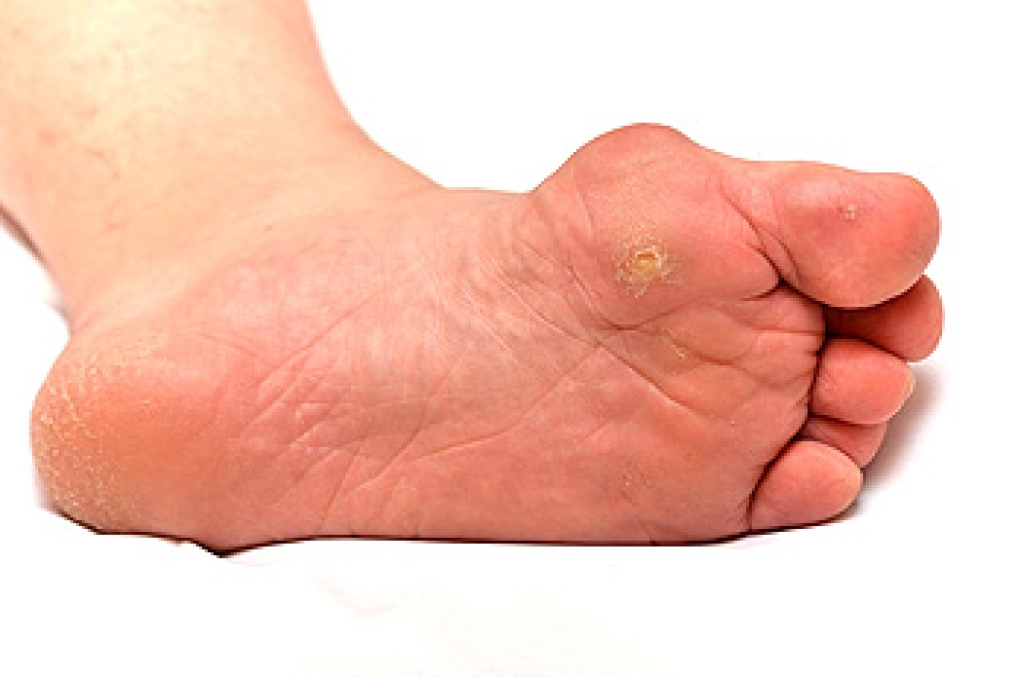
Corns are thickened areas of skin that develop on the feet due to repeated friction or pressure. They typically form on the toes or the soles of the feet and can cause discomfort or pain, especially when standing or walking. Symptoms include a small, hard, raised bump that may appear yellowish or gray, with surrounding redness and inflammation. The primary cause of corns is wearing tight or ill-fitting shoes that put pressure on specific areas of the foot. Abnormal gait or foot deformities, such as hammertoes, can also contribute to corn formation. Treatment options for corns often include soaking the feet to soften the skin, and wearing properly fitting shoes with adequate cushioning. In severe cases, a podiatrist may recommend professional corn removal, along with custom orthotics to prevent recurrence. If you have developed one or more corns on your feet, it is suggested that you schedule an appointment with a podiatrist.

Corns can make walking very painful and should be treated immediately. If you have questions regarding your feet and ankles, contact one of our podiatrists of Grobowski Foot & Ankle. our doctors will treat your foot and ankle needs.

Corns: What Are They? And How Do You Get Rid of Them?
Corns are thickened areas on the skin that can become painful. They are caused by excessive pressure and friction on the skin. Corns press into the deeper layers of the skin and are usually round in shape.

Ways to Prevent Corns
There are many ways to get rid of painful corns such as:

  • Wearing properly fitting shoes that have been measured by a professional
  • Wearing shoes that are not sharply pointed or have high heels
  • Wearing only shoes that offer support

Treating Corns

Although most corns slowly disappear when the friction or pressure stops, this isn’t always the case. Consult with your podiatrist to determine the best treatment option for your case of corns.

If you have any questions, please feel free to contact one of our offices located in Bellevue, Seattle, and Issaquah, WA, . We offer the newest diagnostic and treatment technologies for all your foot care needs.

Read more about Understanding Corns and Calluses

Causes of Foot and Heel Pain in Children

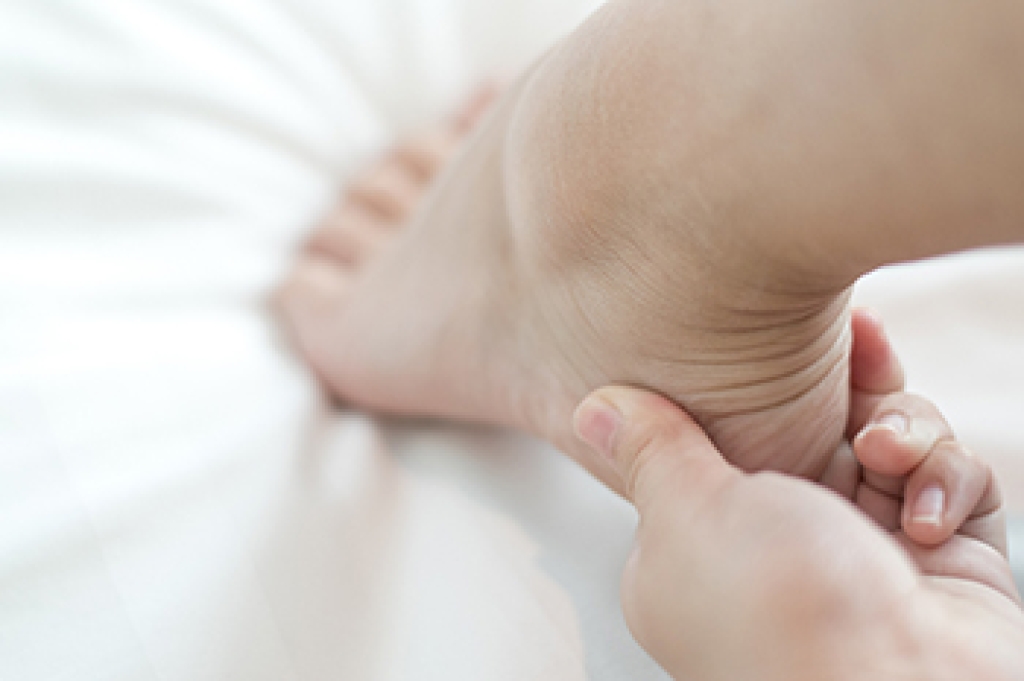
Children's foot and heel pain can result from various causes, including growth-related issues, injuries, and underlying conditions. One common condition is calcaneal apophysitis, often referred to as Sever's disease. This condition develops when the growth plate in the heel becomes inflamed due to overuse or excessive pressure. Children who are active in sports, especially running or jumping activities, are at higher risk. The anatomy of the foot and heel includes several important structures, including bones, muscles, ligaments, and tendons. The heel bone, or calcaneus, plays a key role in weight-bearing and walking, while the growth plates allow for bone lengthening as children grow. Pain in the heel or foot can result from irritation or stress on these structures. Wearing proper footwear, rest, and stretching exercises are essential for relieving discomfort and supporting healthy foot development. If your child has heel pain, it is suggested that you consult a podiatrist who can determine what the cause is, and offer viable treatment solutions.

Many people suffer from bouts of heel pain. For more information, contact one of our podiatrists of Grobowski Foot & Ankle. our doctors can provide the care you need to keep you pain-free and on your feet.

Causes of Heel Pain

Heel pain is often associated with plantar fasciitis. The plantar fascia is a band of tissues that extends along the bottom of the foot. A rip or tear in this ligament can cause inflammation of the tissue.

Achilles tendonitis is another cause of heel pain. Inflammation of the Achilles tendon will cause pain from fractures and muscle tearing. Lack of flexibility is also another symptom.

Heel spurs are another cause of pain. When the tissues of the plantar fascia undergo a great deal of stress, it can lead to ligament separation from the heel bone, causing heel spurs.

Why Might Heel Pain Occur?

  • Wearing ill-fitting shoes                
  • Wearing non-supportive shoes
  • Weight change           
  • Excessive running

Treatments

Heel pain should be treated as soon as possible for immediate results. Keeping your feet in a stress-free environment will help. If you suffer from Achilles tendonitis or plantar fasciitis, applying ice will reduce the swelling. Stretching before an exercise like running will help the muscles. Using all these tips will help make heel pain a condition of the past.

If you have any questions, please feel free to contact one of our offices located in Bellevue, Seattle, and Issaquah, WA, . We offer the newest diagnostic and treatment technologies for all your foot care needs.

Read more about Heel Pain

Causes and Prevention of Cracked Heels

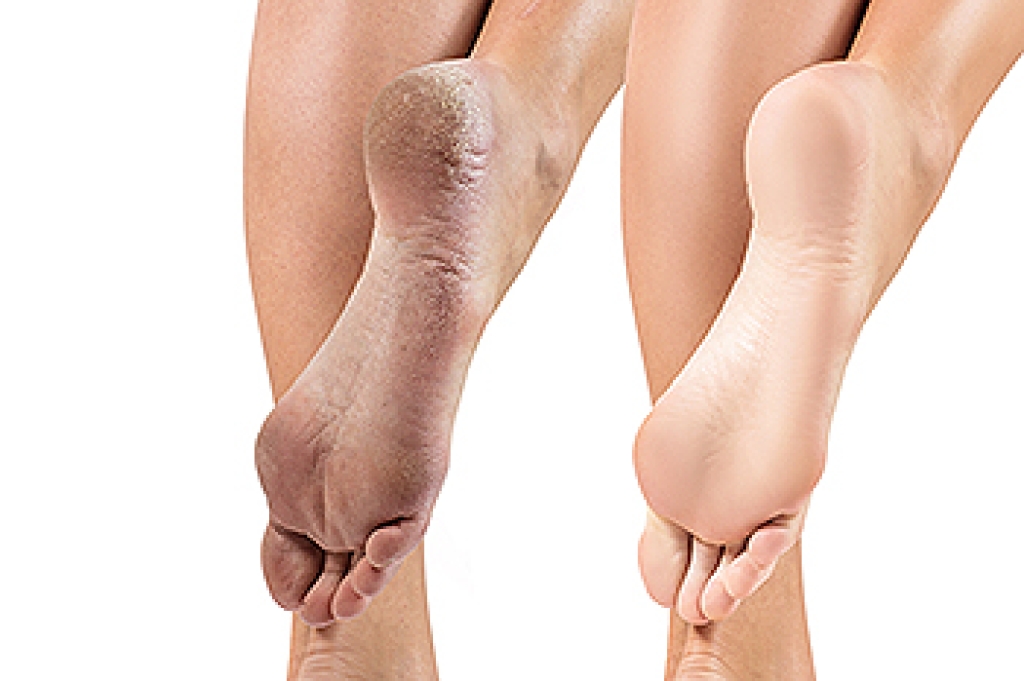
Cracked heels are a common foot problem that can cause discomfort and pain. One of the main causes is pressure on the feet, especially from prolonged standing or walking, which can lead to the skin thickening and cracking. Wearing improper footwear is another significant factor, as shoes that do not provide proper support or fit can increase friction on the heels, contributing to dryness and cracking. Obesity can also play a role, as excess weight places additional stress on the feet, causing the skin to stretch and crack more easily. As people age, the skin loses moisture and elasticity, making the heels more prone to dryness and cracks. To prevent cracked heels, it is important to wear well-fitting shoes that provide adequate support and cushioning. Regular moisturizing and maintaining a healthy weight can also help keep the feet smooth and prevent cracking. Cracked heels can be painful. If you have developed this condition, it is strongly suggested that you consult a podiatrist who can prescribe medication for effective relief and treatment.

If the skin on your feet starts to crack, you may want to see a podiatrist to find treatment. If you have any concerns, contact one of our podiatrists from Grobowski Foot & Ankle. our doctors can provide the care you need to keep you pain-free and on your feet.

Cracked Heels

It is important to moisturize your cracked heels in order to prevent pain, bleeding, and infection. The reason cracked heels form is because the skin on the foot is too dry to support the immense pressure placed on them. When the foot expands, the dry skin on the foot begins to split.

Ways to Help Heal Them

  • Invest in a good foot cream
  • Try Using Petroleum Jelly
  • Ease up on Soaps
  • Drink Plenty of Water

Ways to Prevent Cracked Heels

  • Moisturize After Showering
  • Skip a Shower
  • Keep Shower Water Lukewarm
  • Don’t Scrub Your Feet

If you are unsure how to proceed in treating cracked heels, seek guidance from a podiatrist. Your doctor will help you with any questions or information you may need. 

If you have any questions, please feel free to contact one of our offices located in Bellevue, Seattle, and Issaquah, WA, . We offer the newest diagnostic and treatment technologies for all your foot care needs.

Read more about Solutions for Cracked Heels

Connect With Us

scroll to top