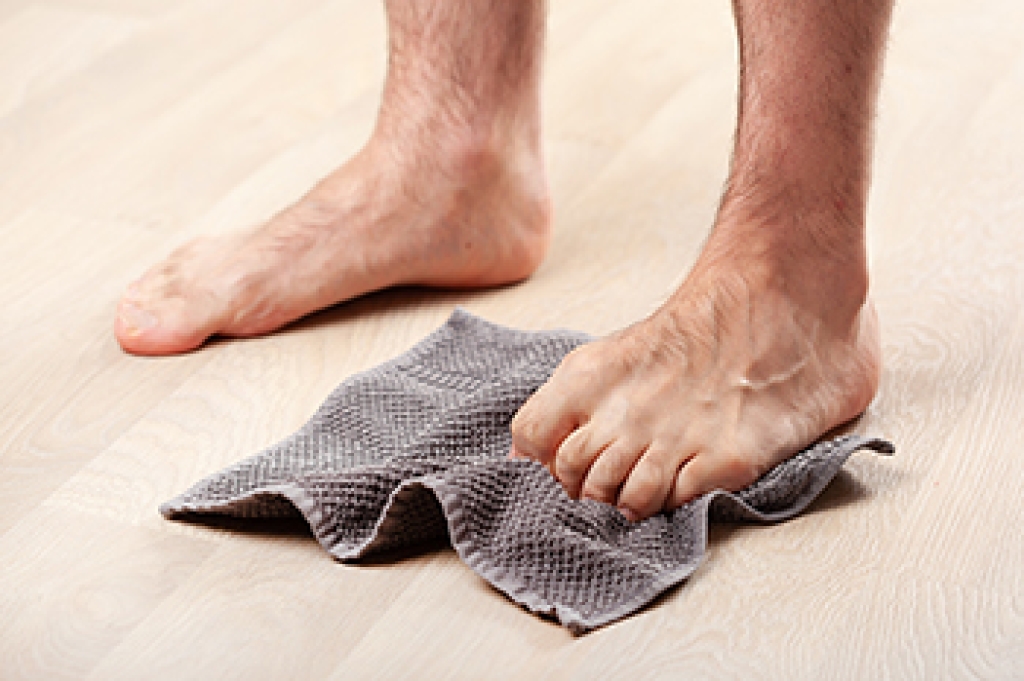
Exercises Can Reduce Risk of Running Injuries

Runners often put significant stress on the feet, and poor mechanics or muscle imbalances can increase the risk of overuse injuries. Strengthening and stretching exercises can help reduce strain on foot structures, like the plantar fascia, Achilles tendon, and intrinsic foot muscles. Routines that focus on calf flexibility, toe control, and arch stability can enhance shock absorption and improve foot alignment during running. Having tight calves or weak foot muscles may contribute to problems like plantar fasciitis or Achilles tendinitis. Similarly, imbalances in the lower leg may affect ankle stability and increase the risk of sprains. Exercises like calf raises, towel scrunches with the toes, and controlled ankle movements can strengthen foot and ankle structures. A podiatrist can evaluate your gait, identify structural risks, and recommend exercises or orthotic devices as part of a comprehensive treatment plan. If you are a runner and experience foot pain, it is suggested that you schedule an appointment with a podiatrist for a diagnosis, treatment and effective running injury prevention tips.

All runners should take extra precaution when trying to avoid injury. If you have any concerns about your feet, contact one of our podiatrists of Grobowski Foot & Ankle. our doctors will treat your foot and ankle needs.

How to Prevent Running Injuries

There are a lot of mistakes a runner can make prior to a workout that can induce injury. A lot of athletes tend to overstretch before running, instead of saving those workouts for a post-run routine. Deep lunges and hand-to-toe hamstring pulls should be performed after a workout instead of during a warmup. Another common mistake is jumping into an intense routine before your body is physically prepared for it. You should try to ease your way into long-distance running instead of forcing yourself to rush into it.

More Tips for Preventing Injury

  • Incorporate Strength Training into Workouts - This will help improve the body’s overall athleticism
  • Improve and Maintain Your Flexibility – Stretching everyday will help improve overall performance
  • “Warm Up” Before Running and “Cool Down” Afterward – A warm up of 5-10 minutes helps get rid of lactic acid in the muscles and prevents delayed muscle soreness
  • Cross-Training is Crucial
  • Wear Proper Running Shoes
  • Have a Formal Gait Analysis – Poor biomechanics can easily cause injury

If you have any questions, please feel free to contact one of our offices located in Bellevue, Seattle, and Issaquah, WA, . We offer the newest diagnostic and treatment technologies for all your foot care needs.
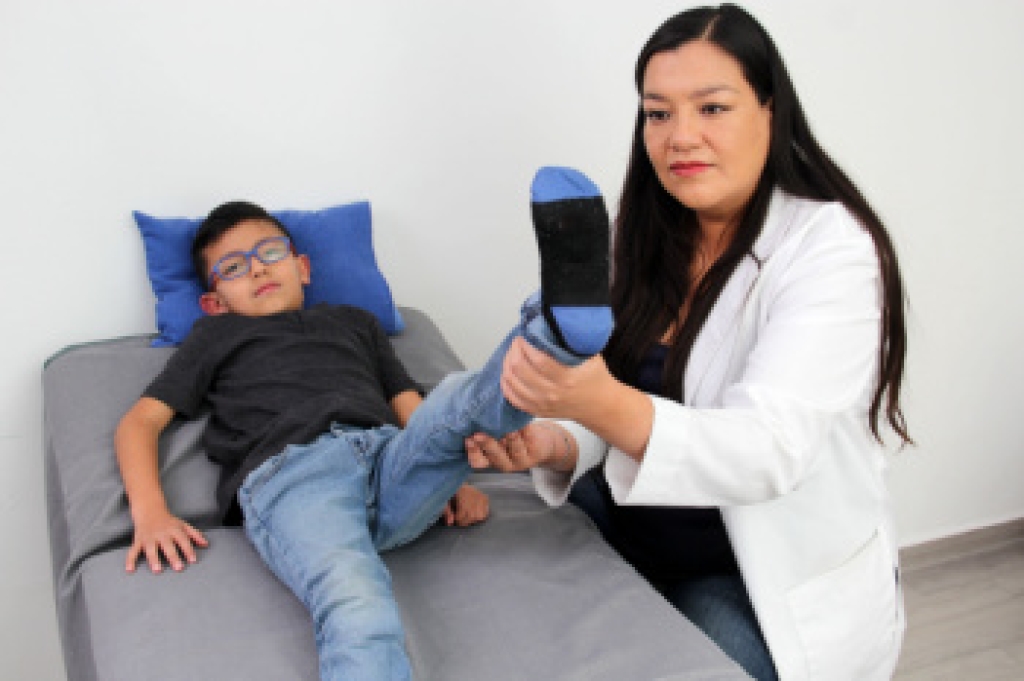
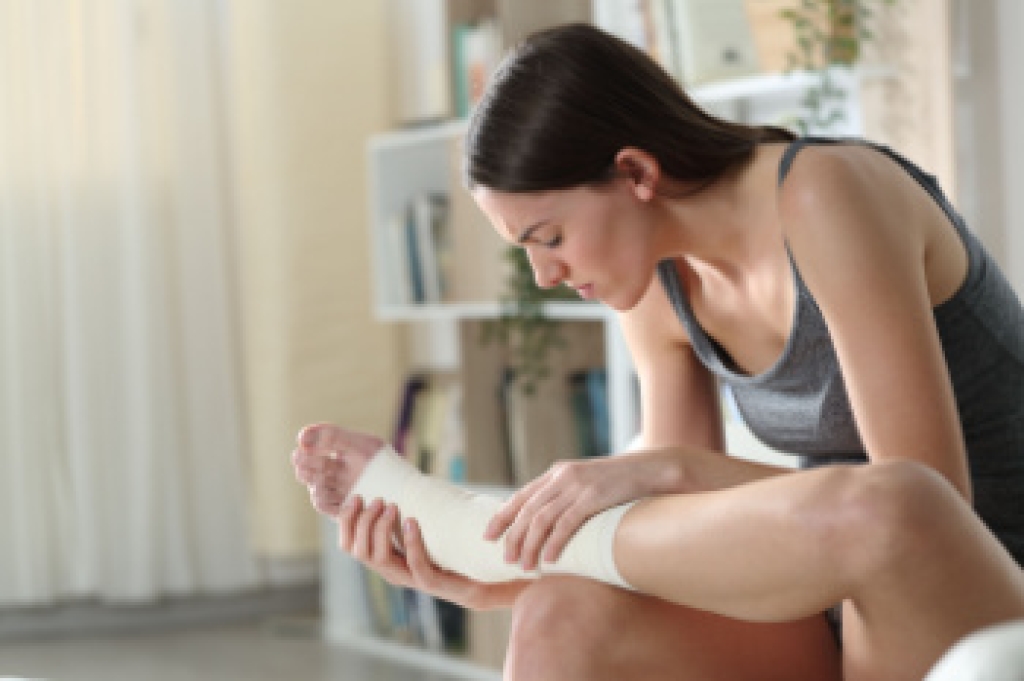
Read more about How to Prevent Running Injuries

Understanding Foot Pain in Children

Children may not always be able to explain what hurts, but changes in how they walk, run, or play can signal that something is wrong. Foot pain in children can come from several causes, including growth plate irritation, flat feet, or overuse from sports. Some may develop heel pain linked to rapid growth, while others may complain of aches in the arch or ball of the foot. Wearing ill-fitting shoes, tight muscles, or minor injuries can also lead to discomfort. Often, kids will try to avoid activities they once enjoyed or begin limping without a clear reason. Since early foot issues can affect development and posture, it is important not to overlook these signs. If your child is showing signs of foot discomfort or walking differently than usual, it is suggested that you see a podiatrist to determine what may be causing the issue, and how to best treat it.

The health of a child’s feet is vital to their overall well-being. If you have any questions regarding foot health, contact one of our podiatrists of Grobowski Foot & Ankle. our doctors can provide the care you need to keep you pain-free and on your feet.

Tips for Keeping Children's Feet Healthy

  • Make sure their shoes fit properly
  • Look for any signs of in-toeing or out-toeing
  • Check to see if they have Clubfoot (condition that affects your child’s foot and ankle, twisting the heel and toes inward) which is one of the most common nonmajor birth defects.
  • Lightly cover your baby’s feet (Tight covers may keep your baby from moving their feet freely, and could prevent normal development)
  • Allow your toddler to go shoeless (Shoes can be restricting for a young child’s foot)
  • Cut toenails straight across to avoid ingrown toenails
  • Keep your child’s foot clean and dry
  • Cover cuts and scrapes. Wash any scratches with soap and water and cover them with a bandage until they’ve healed.

If you have any questions, please feel free to contact one of our offices located in Bellevue, Seattle, and Issaquah, WA, . We offer the newest diagnostic and treatment technologies for all your foot care needs.
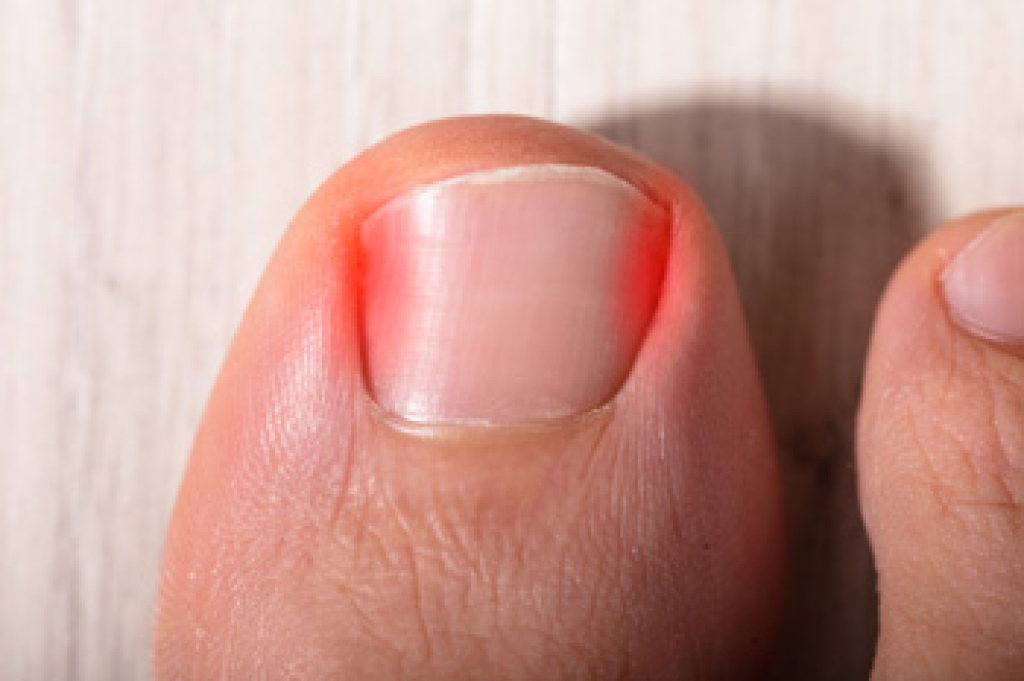
Read more about What to Do to Keep Your Child’s Feet Healthy

Signs and Causes of a Foot Stress Fracture

A foot stress fracture is a small crack in a bone that develops from repetitive force rather than a single injury. The metatarsal bones, which help bear weight during walking and running, are commonly affected. Symptoms include localized pain, swelling, and tenderness that worsens with activity and improves with rest. Causes often involve over-training, improper footwear, or sudden increases in activity. Risk factors include low bone density, poor nutrition, and high-impact sports. A podiatrist can confirm the diagnosis through examination and imaging, then provide a care plan that may include ceasing the activity, specific exercises and guidance on protective footwear. If you suspect you have a foot stress fracture, it is suggested that you visit a podiatrist who can accurately diagnose and treat it.

Stress fractures occur when there is a tiny crack within a bone. To learn more, contact one of our podiatrists from Grobowski Foot & Ankle. our doctors can provide the care you need to keep you pain free and on your feet.

How Are They Caused?

Stress fractures are the result of repetitive force being placed on the bone. Since the lower leg and feet often carry most of the body’s weight, stress fractures are likely to occur in these areas. If you rush into a new exercise, you are more likely to develop a stress fracture since you are starting too much, too soon.  Pain resulting from stress fractures may go unnoticed at first, however it may start to worsen over time.

Risk Factors

  • Gender – They are more commonly found in women compared to men.
  • Foot Problems – People with unusual arches in their feet are more likely to develop stress fractures.
  • Certain Sports – Dancers, gymnasts, tennis players, runners, and basketball players are more likely to develop stress fractures.
  • Lack of Nutrients – A lack of vitamin D and calcium may weaken the bones and make you more prone to stress fractures
  • Weak Bones – Osteoporosis can weaken the bones therefore resulting in stress fractures

Stress fractures do not always heal properly, so it is important that you seek help from a podiatrist if you suspect you may have one. Ignoring your stress fracture may cause it to worsen, and you may develop chronic pain as well as additional fractures.

If you have any questions please contact one of our offices located in Bellevue, Seattle, and Issaquah, WA, . We offer the newest diagnostic and treatment technologies for all your foot and ankle needs.

Read more about Dealing with Stress Fractures of the Foot and Ankle

Type 1 Diabetes and Its Link to Ingrown Toenails

Type 1 diabetes can affect many parts of the body, including the feet. High blood sugar levels over time may damage nerves and reduce circulation, making it harder to feel or notice small injuries. Even minor pressure from a poorly trimmed toenail can lead to inflammation or an ingrown nail, especially if shoes are tight or put stress on the toes. People with diabetes are also more prone to infections, and what starts as a simple nail problem can become more serious if left untreated. Thickened or brittle nails, often seen in diabetic patients, may be harder to trim properly, increasing the chance of the nail growing into the skin. Proper nail care and early attention to changes in the feet are essential for avoiding complications. If you notice redness, swelling, or pain surrounding a toenail, it is suggested that you see a podiatrist for an accurate diagnosis and appropriate treatment.

Diabetic foot care is important in preventing foot ailments such as ulcers. If you are suffering from diabetes or have any other concerns about your feet, contact one of our podiatrists from Grobowski Foot & Ankle. our doctors can provide the care you need to keep you pain-free and on your feet.

Diabetic Foot Care

Diabetes affects millions of people every year. The condition can damage blood vessels in many parts of the body, especially the feet. Because of this, taking care of your feet is essential if you have diabetes, and having a podiatrist help monitor your foot health is highly recommended.

The Importance of Caring for Your Feet

  • Routinely inspect your feet for bruises or sores.
  • Wear socks that fit your feet comfortably.
  • Wear comfortable shoes that provide adequate support.

Patients with diabetes should have their doctor monitor their blood levels, as blood sugar levels play such a huge role in diabetic care. Monitoring these levels on a regular basis is highly advised.

It is always best to inform your healthcare professional of any concerns you may have regarding your feet, especially for diabetic patients. Early treatment and routine foot examinations are keys to maintaining proper health, especially because severe complications can arise if proper treatment is not applied.

If you have any questions, please feel free to contact one of our offices located in Bellevue, Seattle, and Issaquah, WA, . We offer the newest diagnostic and treatment technologies for all your foot care needs.

Read more about Diabetic Foot Conditions

Are Bunions Affecting Your Everyday Life?

Have you noticed a bony protrusion on the side of your big toe? If so, you may have developed the foot condition known as a bunion. Don't let bunions interfere with your daily activities.

Connect With Us

scroll to top