
Important Things to Know About Gout in the Feet

Gout is a form of arthritis that often affects the joints in the feet, especially the big toe. It occurs when uric acid builds up in the blood and forms sharp crystals in the joints. This can cause sudden and severe pain, redness, and swelling that may last for several days. Gout flare-ups are often triggered by foods high in purines, such as red meat, shellfish, or alcohol. Dehydration, obesity, and certain medications may also increase the risk. Managing gout involves lifestyle changes like staying hydrated, maintaining a balanced diet, and limiting alcohol. Medications are sometimes needed to control uric acid levels and reduce inflammation. Ignoring gout can lead to lasting joint damage and decreased mobility. If you experience painful flare ups in your feet, it is suggested that you meet with a podiatrist for a proper diagnosis and appropriate treatment.

Gout is a foot condition that requires certain treatment and care. If you are seeking treatment, contact one of our podiatrists from Grobowski Foot & Ankle. our doctors will treat your foot and ankle needs.

What Is Gout?

Gout is a type of arthritis caused by a buildup of uric acid in the bloodstream. It often develops in the foot, especially the big toe area, although it can manifest in other parts of the body as well. Gout can make walking and standing very painful and is especially common in diabetics and the obese.

People typically get gout because of a poor diet. Genetic predisposition is also a factor. The children of parents who have had gout frequently have a chance of developing it themselves.

Gout can easily be identified by redness and inflammation of the big toe and the surrounding areas of the foot. Other symptoms include extreme fatigue, joint pain, and running high fevers. Sometimes corticosteroid drugs can be prescribed to treat gout, but the best way to combat this disease is to get more exercise and eat a better diet.

If you have any questions, please feel free to contact one of our offices located in Bellevue, Seattle, and Issaquah, WA, . We offer the newest diagnostic and treatment technologies for all your foot care needs.
Read more about Everything You Need to Know About Gout

Sever’s Disease and How It Is Diagnosed

Sever’s disease is one of the most common causes of heel pain in active children, especially those who participate in running or jumping sports. It is not a disease in the traditional sense, but rather an overuse injury that develops when the growth plate in the heel becomes irritated. Symptoms usually include pain at the back of the heel that worsens with activity and improves with rest. Sometimes there may be swelling or difficulty walking comfortably. Diagnosis is usually based on a detailed history and physical examination rather than imaging, since X-rays often appear normal. A podiatrist will gently press around the heel and evaluate the child’s gait to confirm the source of discomfort. If your child is experiencing recurring heel pain, it is suggested that you schedule an appointment with a podiatrist for an accurate diagnosis and treatment guidance.

Sever's disease often occurs in children and teens. If your child is experiencing foot or ankle pain, see one of our podiatrists from Grobowski Foot & Ankle. our doctors can treat your child’s foot and ankle needs.

Sever’s Disease

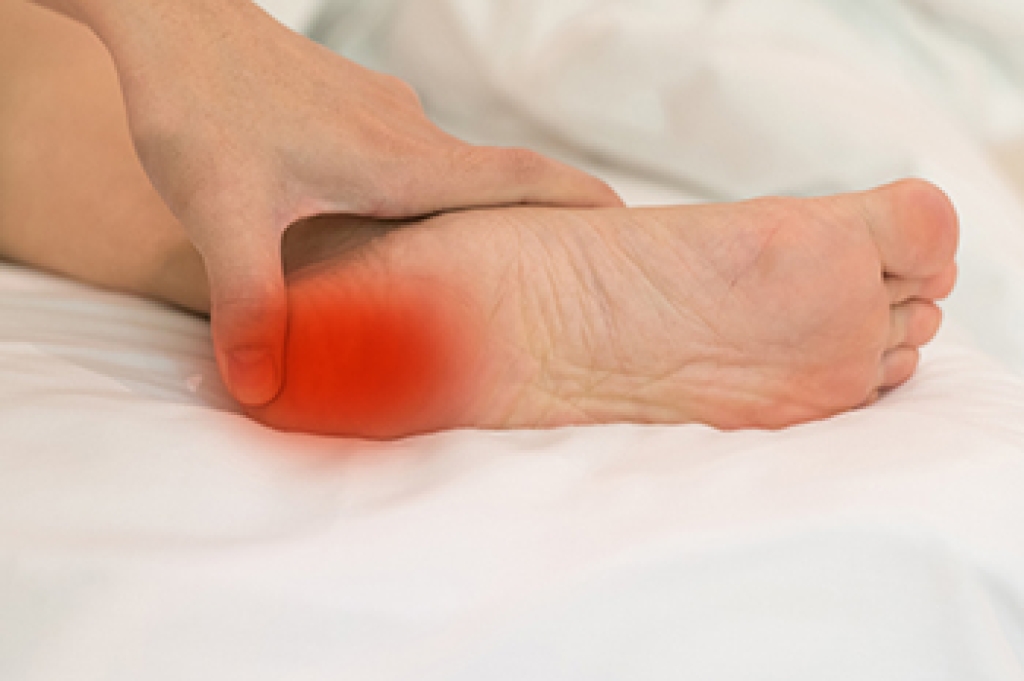
Sever’s disease is also known as calcaneal apophysitis, which is a medical condition that causes heel pain I none or both feet. The disease is known to affect children between the ages of 8 and 14.

Sever’s disease occurs when part of the child’s heel known as the growth plate (calcaneal epiphysis) is attached to the Achilles tendon. This area can suffer injury when the muscles and tendons of the growing foot do not keep pace with bone growth. Therefore, the constant pain which one experiences at the back of the heel will make the child unable to put any weight on the heel. The child is then forced to walk on their toes.

Symptoms

Acute pain – Pain associated with Sever’s disease is usually felt in the heel when the child engages in physical activity such as walking, jumping and or running.

Highly active – Children who are very active are among the most susceptible in experiencing Sever’s disease, because of the stress and tension placed on their feet.

If you have any questions, please feel free to contact one of our offices located in Bellevue, Seattle, and Issaquah, WA, . We offer the newest diagnostic and treatment technologies for all your foot care needs.

Read more about Sever's Disease

Off-Loading Devices and Diabetic Foot Care

Off-loading devices are an important part of diabetic foot care because they reduce pressure on areas of the foot that are prone to ulceration. When too much stress is concentrated on the ball of the foot, heel, or toes, skin breakdown may occur, leading to painful ulcers that are slow to heal. Off-loading devices such as total contact casts, removable cast walkers, and therapeutic shoes are commonly used to redistribute pressure away from the ulcer site and allow the skin and underlying tissue to recover. While shoe modifications are often chosen, casts and walkers can be more effective in certain cases, especially when the ulcer is located on the sole of the foot. A podiatrist can evaluate the location and severity of the ulcer, determine the most appropriate off-loading method, and provide ongoing monitoring to ensure proper healing. If you have foot pain that may be related to diabetes, it is suggested that you schedule an appointment with a podiatrist for ongoing help in managing this serious condition.

Diabetic foot care is important in preventing foot ailments such as ulcers. If you are suffering from diabetes or have any other concerns about your feet, contact one of our podiatrists from Grobowski Foot & Ankle. our doctors can provide the care you need to keep you pain-free and on your feet.

Diabetic Foot Care

Diabetes affects millions of people every year. The condition can damage blood vessels in many parts of the body, especially the feet. Because of this, taking care of your feet is essential if you have diabetes, and having a podiatrist help monitor your foot health is highly recommended.

The Importance of Caring for Your Feet

  • Routinely inspect your feet for bruises or sores.
  • Wear socks that fit your feet comfortably.
  • Wear comfortable shoes that provide adequate support.

Patients with diabetes should have their doctor monitor their blood levels, as blood sugar levels play such a huge role in diabetic care. Monitoring these levels on a regular basis is highly advised.

It is always best to inform your healthcare professional of any concerns you may have regarding your feet, especially for diabetic patients. Early treatment and routine foot examinations are keys to maintaining proper health, especially because severe complications can arise if proper treatment is not applied.

If you have any questions, please feel free to contact one of our offices located in Bellevue, Seattle, and Issaquah, WA, . We offer the newest diagnostic and treatment technologies for all your foot care needs.
Read more about How to Care for Diabetic Foot

When the Achilles Tendon Is Injured

The Achilles tendon is the strong band of tissue that connects the calf muscles to the heel bone, allowing you to walk, run, and jump. Overuse, sudden increases in activity, or poor footwear can lead to Achilles tendinopathy, a condition marked by stiffness, swelling, and pain at the back of the ankle. In more severe cases, the tendon may partially or completely tear, often causing sudden, sharp pain and difficulty walking. These injuries are more common in active adults, but can happen to anyone, especially during activities that involve explosive movements. Prompt evaluation is important, as untreated tendon problems can lead to chronic pain or reduced mobility. Treatment may include rest, targeted exercises, supportive footwear, or surgery for a rupture. If you experience persistent heel or ankle pain, it is suggested that you see a podiatrist for an accurate diagnosis and effective treatment.

Achilles tendon injuries need immediate attention to avoid future complications. If you have any concerns, contact one of our podiatrists of Grobowski Foot & Ankle. our doctors can provide the care you need to keep you pain-free and on your feet.

What Is the Achilles Tendon?

The Achilles tendon is a tendon that connects the lower leg muscles and calf to the heel of the foot. It is the strongest tendon in the human body and is essential for making movement possible. Because this tendon is such an integral part of the body, any injuries to it can create immense difficulties and should immediately be presented to a doctor.

What Are the Symptoms of an Achilles Tendon Injury?

There are various types of injuries that can affect the Achilles tendon. The two most common injuries are Achilles tendinitis and ruptures of the tendon.

Achilles Tendinitis Symptoms

  • Inflammation
  • Dull to severe pain
  • Increased blood flow to the tendon
  • Thickening of the tendon

Rupture Symptoms

  • Extreme pain and swelling in the foot
  • Total immobility

Treatment and Prevention

Achilles tendon injuries are diagnosed by a thorough physical evaluation, which can include an MRI. Treatment involves rest, physical therapy, and in some cases, surgery. However, various preventative measures can be taken to avoid these injuries, such as:

  • Thorough stretching of the tendon before and after exercise
  • Strengthening exercises like calf raises, squats, leg curls, leg extensions, leg raises, lunges, and leg presses

If you have any questions please feel free to contact one of our offices located in Bellevue, Seattle, and Issaquah, WA, . We offer the newest diagnostic tools and technology to treat your foot and ankle needs.

Read more about The Causes, Types, and Treatments of Achilles Tendon Injuries

Ingrown Toenails Are a Small Problem That Can Become Serious

Ingrown toenails occur when the edge of a toenail grows into the surrounding skin, leading to pain, swelling, redness, and sometimes infection. The area may feel tender to the touch, appear swollen, or drain pus if an infection is present. Walking or wearing shoes can become uncomfortable. Common causes include trimming nails too short, wearing tight shoes, or having naturally curved nails. While mild cases may be managed at home, persistent or worsening symptoms require professional attention. A podiatrist can diagnose an ingrown toenail through a physical exam and determine the most effective treatment. Options include gently lifting the nail, partial nail removal, or treating any underlying infection. In severe or recurring cases, a small portion of the nail root may be removed to prevent regrowth. Prompt care can relieve pain and prevent complications. If you notice signs of an ingrown toenail, it is suggested that you make an appointment with a podiatrist.

Ingrown toenails may initially present themselves as a minor discomfort, but they may progress into an infection in the skin without proper treatment. For more information about ingrown toenails, contact one of our podiatrists of Grobowski Foot & Ankle. our doctors can provide the care you need to keep you pain-free and on your feet.

Ingrown Toenails

Ingrown toenails are caused when the corner or side of a toenail grows into the soft flesh surrounding it. They often result in redness, swelling, pain, and in some cases, infection. This condition typically affects the big toe and may recur if it is not treated properly.

Causes

  • Improper toenail trimming
  • Genetics
  • Improper shoe fitting
  • Injury from pedicures or nail picking
  • Abnormal gait
  • Poor hygiene

You are more likely to develop an ingrown toenail if you are obese, have diabetes, arthritis, or have any fungal infection in your nails. Additionally, people who have foot or toe deformities are at a higher risk of developing an ingrown toenail.

Symptoms

Some symptoms of ingrown toenails are redness, swelling, and pain. In rare cases, there may be a yellowish drainage coming from the nail.

Treatment

Ignoring an ingrown toenail can have serious complications. Infections of the nail border can progress to a deeper soft-tissue infection, which can then turn into a bone infection. You should always speak with your podiatrist if you suspect you have an ingrown toenail, especially if you have diabetes or poor circulation.

If you have any questions, please feel free to contact one of our offices located in Bellevue, Seattle, and Issaquah, WA, . We offer the newest diagnostic and treatment technologies for all your foot care needs.

Read more about Ingrown Toenail Care

Connect With Us

scroll to top