
Your feet are covered most of the day. If you're diabetic, periodic screening is important for good health. Numbness is often a sign of diabetic foot and can mask a sore or wound.
Your feet are covered most of the day. If you're diabetic, periodic screening is important for good health. Numbness is often a sign of diabetic foot and can mask a sore or wound.
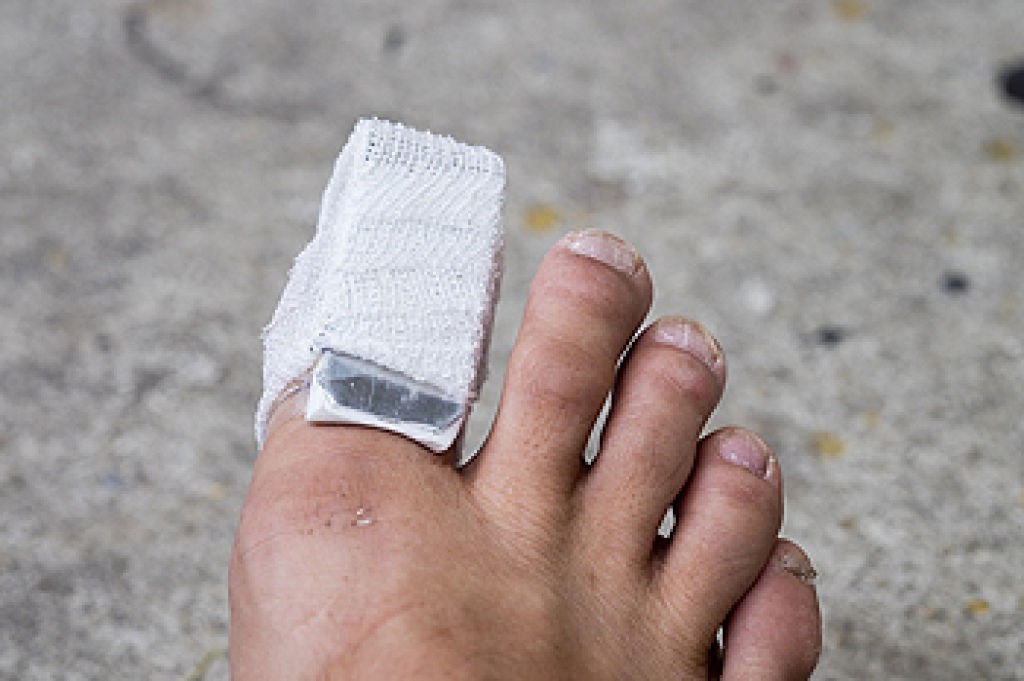 Common reasons why a broken toe can occur may be from stubbing it against a piece of furniture, or if a heavy object drops on it. In severe fractures, the patient may hear the bone as it cracks, and this most likely indicates that it is a broken toe. Some of the symptoms that are associated with this condition can include swelling, bruising, and the toe may tingle and feel numb. Many broken toes are treated by using the buddy taping method. This consists of taping the affected toe to the toe next to it. This is helpful in providing the necessary support as the healing process begins. If you feel you may have a broken toe, it is suggested that you consult with a podiatrist who can perform a proper diagnosis and offer correct treatment options.
A broken toe can be very painful and lead to complications if not properly fixed. If you have any concerns about your feet, contact one of our podiatrists from Grobowski Foot & Ankle. our doctors will treat your foot and ankle needs.
What to Know About a Broken Toe
Although most people try to avoid foot trauma such as banging, stubbing, or dropping heavy objects on their feet, the unfortunate fact is that it is a common occurrence. Given the fact that toes are positioned in front of the feet, they typically sustain the brunt of such trauma. When trauma occurs to a toe, the result can be a painful break (fracture).
Symptoms of a Broken Toe
Generally, it is best to stay off of the injured toe with the affected foot elevated.
Severe toe fractures may be treated with a splint, cast, and in some cases, minor surgery. Due to its position and the pressure it endures with daily activity, future complications can occur if the big toe is not properly treated.
If you have any questions, please feel free to contact one of our offices located in Bellevue, Seattle, and Issaquah, WA, . We offer the newest diagnostic and treatment technologies for all your foot care needs.

Research has shown the feet can indicate serious health issues within the body. The condition known as scleroderma may be evident in the feet. The symptoms can consist of cold feet and toes and can be associated with Raynaud’s phenomenon. Additional signs of scleroderma may include having patches of thickened skin that develop on the feet. The affected skin may be dry or itchy and will often require expert medical care. A chilblain may occur with Raynaud's disease and the skin may turn red, swollen, and become tender when touched. Having poor blood circulation and exposure to cold weather may lead to this condition, and it can affect the toes. There are simple methods that can be implemented to properly care for the feet. These can consist of choosing shoes that fit correctly and moisturizing the feet often. Many people who are affected by systemic sclerosis can experience a feeling of walking on small pebbles and this may be relieved by wearing custom-made orthotics. If you have any of these symptoms and would like to know more about systemic diseases of the feet, please confer with a podiatrist.
When dealing with systemic disease of the feet, it is extremely important to check the affected areas routinely so that any additional problems are caught quickly. If you have any concerns about your feet and ankles contact one of our podiatrists from Grobowski Foot & Ankle. our doctors will assist you with all of your podiatric needs.
Systemic Diseases of the Feet
Systemic diseases affect the whole body, and symptoms usually are displayed in the feet. This condition can make a patient’s ability to walk unbearable. Systemic diseases include gout, diabetes mellitus, neurological disorders, and arthritis.
Gout – is caused by an excess of uric acid in the body. Common symptoms include pain, inflammation, and redness at the metatarsal/phalangeal joint of the base big toe. Gout can be treated by NSAIDs to relieve pain and inflammation, and other drugs that lower the acid levels in the body.
Diabetes mellitus – is an increase in the level of blood sugar that the body cannot counteract with its own insulin. Failure to produce enough insulin is a factor in Diabetes.
Diabetes of the Feet
Diabetic Neuropathy – may lead to damaged nerves and affect the feet through numbness and loss of sensation.
Peripheral Vascular Disease – can restrict the blood flow to the feet, and often times lead to amputation of the feet.
If you have any questions please contact one of our offices located in Bellevue, Seattle, and Issaquah, WA, . We offer the newest diagnostic and treatment technologies for all your foot and ankle needs.

The big toe plays a vital role in balance and movement, making it prone to injuries. Stubbing the big toe is a common cause of bruising or sprains, while fractures can occur from trauma or dropping heavy objects on it. Athletes are especially at risk due to repetitive stress, sudden stops, or forceful impacts during sports. These injuries can lead to pain, swelling, and difficulty walking, if not properly treated. A podiatrist can diagnose the severity of the injury, provide treatments like splinting or orthotics, and recommend specific exercises. If you have pain in your big toe, it is suggested that you schedule an appointment with a podiatrist who can diagnose the problem and provide effective treatment solutions.
Toe pain can disrupt your daily activities. If you have any concerns, contact one of our podiatrists of Grobowski Foot & Ankle. our doctors can provide the care you need to keep you pain-free and on your feet.
What Causes Toe Pain?
Most severe toe pain is caused due to a sports injury, trauma from dropping something heavy on the toe, or bumping into something rigid. Other problems can develop over time for various reasons.
Toe pain can be caused by one or more ailments. The most common include:
When to See a Podiatrist
Diagnosis
In many cases the cause of toe pain is obvious, but in others, a podiatrist may want to use more advanced methods to determine the problem. These can range from simple visual inspections and sensation tests to X-rays and MRI scans. Prior medical history, family medical history, and any recent physical traumatic events will all be taken into consideration for a proper diagnosis.
Treatment
Treatments for toe pain and injuries vary and may include shoe inserts, padding, taping, medicines, injections, and in some cases, surgery. If you believe that you have broken a toe, please see a podiatrist as soon as possible.
If you have any questions please contact one of our offices located in Bellevue, Seattle, and Issaquah, WA, . We offer the newest diagnostic and treatment technologies for all your foot and ankle needs.
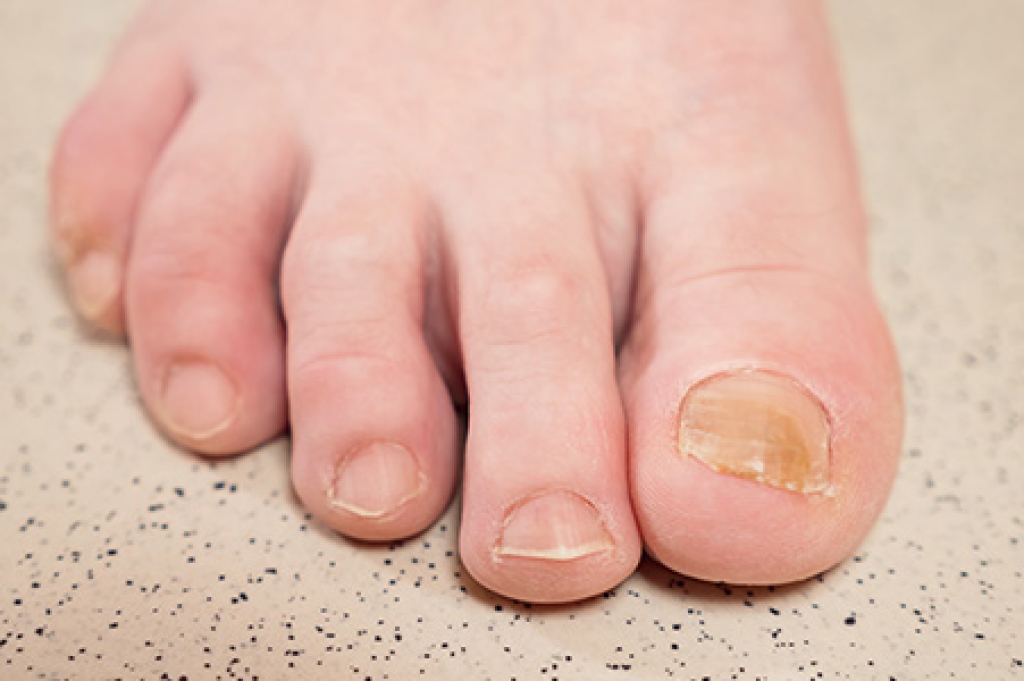
Toenail fungus, also called onychomycosis, is an infection that affects the toenails far more often than the fingernails. It is estimated that about one in 10 people will develop it, with higher rates among older adults, men, and those with diabetes or circulation problems in the feet. The infection is usually caused by dermatophytes, a type of fungus that thrives in warm, moist environments. It can be picked up from surfaces like locker room floors or through direct contact with the fungus. Early signs of fungal toenails include yellow or white spots on the nail or a chalky buildup beneath the surface. As the infection progresses, the nail may thicken, discolor, and become brittle or distorted, sometimes separating from the nail bed. A podiatrist can confirm the diagnosis, provide treatment, and suggest ways to reduce the risk of complications or recurrence. If you have symptoms of a fungal toenail infection, it is suggested that you make an appointment with a podiatrist for an exam, diagnosis and appropriate treatment.
If left untreated, toenail fungus may spread to other toenails, skin, or even fingernails. If you suspect you have toenail fungus it is important to seek treatment right away. For more information about treatment, contact one of our podiatrists of Grobowski Foot & Ankle. our doctors can provide the care you need to keep you pain-free and on your feet.
Symptoms
Treatment
If self-care strategies and over-the-counter medications does not help your fungus, your podiatrist may give you a prescription drug instead. Even if you find relief from your toenail fungus symptoms, you may experience a repeat infection in the future.
Prevention
In order to prevent getting toenail fungus in the future, you should always make sure to wash your feet with soap and water. After washing, it is important to dry your feet thoroughly especially in between the toes. When trimming your toenails, be sure to trim straight across instead of in a rounded shape. It is crucial not to cover up discolored nails with nail polish because that will prevent your nail from being able to “breathe”.
In some cases, surgical procedure may be needed to remove the toenail fungus. Consult with your podiatrist about the best treatment options for your case of toenail fungus.
If you have any questions please contact one of our offices located in Bellevue, Seattle, and Issaquah, WA, . We offer the newest diagnostic and treatment technologies for all your foot and ankle needs.
Connect With Us
