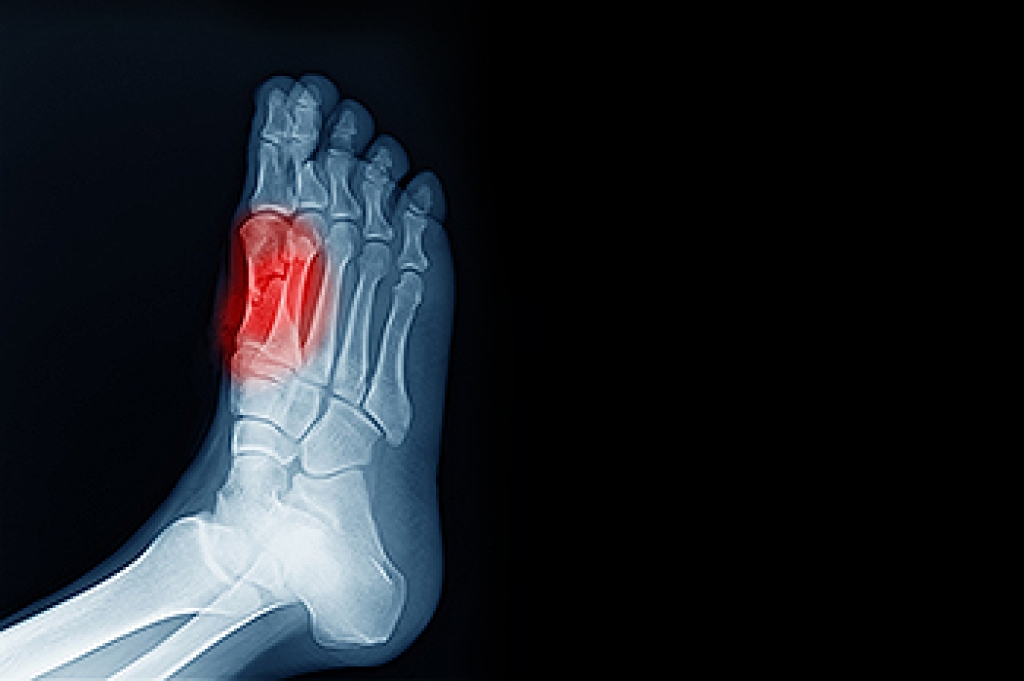
Foot Pain Caused by Sesamoiditis

Sesamoiditis is a condition that causes pain beneath the base of the big toe. It is primarily due to inflammation or injury to the sesamoid bones, which are two small bones located under the first metatarsal head. Sesamoiditis is common among dancers, joggers, people with high-arched feet, or those who frequently wear high heels. The pain associated with sesamoiditis often intensifies during activities like walking, especially when barefoot or wearing certain shoes. It may be accompanied by swelling, warmth, or redness in the affected area. A podiatrist can diagnose sesamoiditis through a thorough examination of the foot, sometimes using imaging tests to rule out fractures or arthritis. Treatment typically involves reducing pressure on the sesamoid bones through the use of orthotics, offloading pads, or appropriately supportive footwear. If you are experiencing pain under the big toe, it is suggested that you schedi;e an appointment with a podiatrist for an exam, diagnosis, and treatment options.

Sesamoiditis is an unpleasant foot condition characterized by pain in the balls of the feet. If you think you’re struggling with sesamoiditis, contact one of our podiatrists of Grobowski Foot & Ankle. our doctors will treat your condition thoroughly and effectively.

Sesamoiditis

Sesamoiditis is a condition of the foot that affects the ball of the foot. It is more common in younger people than it is in older people. It can also occur with people who have begun a new exercise program, since their bodies are adjusting to the new physical regimen. Pain may also be caused by the inflammation of tendons surrounding the bones. It is important to seek treatment in its early stages because if you ignore the pain, this condition can lead to more serious problems such as severe irritation and bone fractures.

Causes of Sesamoiditis

  • Sudden increase in activity
  • Increase in physically strenuous movement without a proper warm up or build up
  • Foot structure: those who have smaller, bonier feet or those with a high arch may be more susceptible

Treatment for sesamoiditis is non-invasive and simple. Doctors may recommend a strict rest period where the patient forgoes most physical activity. This will help give the patient time to heal their feet through limited activity. For serious cases, it is best to speak with your doctor to determine a treatment option that will help your specific needs.

If you have any questions, please feel free to contact one of our offices located in Bellevue, Seattle, and Issaquah, WA, . We offer the newest diagnostic and treatment technologies for all your foot care needs.


Read more about Sesamoiditis

Causes and Symptoms of Toe Burning Sensation

A burning sensation in the toes can be both uncomfortable and alarming. This symptom often results from nerve damage or irritation from conditions like neuropathy or peripheral artery disease. Common causes include wearing ill-fitting shoes, prolonged standing, or medical issues like diabetes. In addition to burning, you might experience additional symptoms such as bleeding or blistering from friction or injury, numbness from nerve involvement, and swelling from inflammation. Properly addressing the root cause, whether it involves changing footwear, or managing underlying health ailments is essential for relief. If you have this condition, it is suggested that you consult a podiatrist who can effectively treat this condition.


Toe pain can disrupt your daily activities. If you have any concerns, contact one of our podiatrists of Grobowski Foot & Ankle. our doctors can provide the care you need to keep you pain-free and on your feet.

What Causes Toe Pain?

Most severe toe pain is caused due to a sports injury, trauma from dropping something heavy on the toe, or bumping into something rigid. Other problems can develop over time for various reasons.

Toe pain can be caused by one or more ailments. The most common include:

  • Trauma
  • Sports injury
  • Wearing shoes that are too tight
  • Arthritis
  • Gout
  • Corns and calluses
  • Hammertoe
  • Bunions
  • Blisters
  • Ingrown toenails
  • Sprains
  • Fractures (broken bones)
  • Dislocations

When to See a Podiatrist

  • Severe pain
  • Persistent pain that lasts more than a week
  • Signs of infection
  • Continued swelling
  • Pain that prevents walking

Diagnosis

In many cases the cause of toe pain is obvious, but in others, a podiatrist may want to use more advanced methods to determine the problem. These can range from simple visual inspections and sensation tests to X-rays and MRI scans. Prior medical history, family medical history, and any recent physical traumatic events will all be taken into consideration for a proper diagnosis.

Treatment

Treatments for toe pain and injuries vary and may include shoe inserts, padding, taping, medicines, injections, and in some cases, surgery. If you believe that you have broken a toe, please see a podiatrist as soon as possible.

If you have any questions please contact one of our offices located in Bellevue, Seattle, and Issaquah, WA, . We offer the newest diagnostic and treatment technologies for all your foot and ankle needs.

Read more about Toe Pain

Relief for Cracked Heels

Cracked heels, also referred to as heel fissures, can be uncomfortable and unsightly. They often result from dry skin, prolonged standing, or wearing open-backed shoes. To find relief from cracked heels, begin by soaking your feet in warm, soapy water for 15 to 20 minutes to soften the skin. Gently exfoliate with a pumice stone to remove dead skin. Apply a thick, moisturizing cream or heel balm to hydrate and promote healing. For best results, do this routine before bedtime and wear cotton socks overnight to help lock in moisture. Avoid walking barefoot or wearing shoes that expose your heels. If these remedies are ineffective or if you experience severe pain, bleeding, or signs of infection, it is strongly suggested that you schedule an appointment with a podiatrist.

Cracked heels are unsightly and can cause further damage to your shoes and feet. If you have any concerns, contact one of our podiatrists from Grobowski Foot & Ankle. our doctors can provide the care you need to keep you pain-free and on your feet.

Cracked Heels

Cracked heels appear unappealing and can make it harder for you walk around in sandals. Aside from looking unpleasant, cracked heels can also tear stockings, socks, and wear out your shoes. There are several methods to help restore a cracked heel and prevent further damage.

How Do You Get Them?

Dry skin is the number one culprit in creating cracked heels. Many athletes, walkers, joggers, and even swimmers suffer from cracked heels. Age and skin oil production play a role to getting cracked heels as well.

Promote Healing

Over the counter medicines can help, especially for those that need instant relief or who suffer from chronic dry feet.

Wear Socks – Wearing socks with medicated creams helps lock in moisture.

Moisturizers – Applying both day and night will help alleviate dryness which causes cracking.

Pumice Stones – These exfoliate and remove dead skin, which allows for smoother moisturizer application and better absorption into the skin. 

Change in Diet

Eating healthy with a well-balanced diet will give the skin a fresh and radiant look. Your body responds to the kinds of food you ingest. Omega-3 fatty acids and zinc supplements can also revitalize skin tissue.

Most importantly, seek professional help if unsure how to proceed in treating cracked heels. A podiatrist will help you with any questions or information needed. 

If you have any questions, please feel free to contact one of our offices located in Bellevue, Seattle, and Issaquah, WA, . We offer the newest diagnostic and treatment technologies for all your foot care needs.

Read more about Solutions for Cracked Heels

Facts About Sprained Ankles

Ankle sprains are a common injury that can affect anyone, with athletes being particularly susceptible due to their physical activities. However, even non-athletes can suffer ankle sprains, just by missing a step or from wearing high heels. Ankle sprains vary in type and severity. The most common type is the inversion ankle sprain, where the foot twists inward, overstretching the outer ligaments of the ankle. It is a common issue for basketball players and other athletes who frequently jump. Less frequent is the eversion sprain, where the foot turns outward, typically affecting gymnasts. The rarest is the high ankle sprain, involving the ligaments between the tibia and fibula bones of the calf. Sprains are classified into three grades. Grade 1 involves minor stretching and swelling, and grade 2 includes partial ligament tears with significant swelling and pain. Grade 3 is the most severe, with complete ligament tears and substantial loss of motion. Whether the sprain is mild or severe, seeing a podiatrist is essential for an accurate diagnosis and treatment to prevent future ankle injuries. If you believe you have sprained an ankle, it is suggested that you schedule an appointment with a podiatrist for an exam, diagnosis, and treatment options.

Ankle sprains are common but need immediate attention. If you need your feet checked, contact one of our podiatrists from Grobowski Foot & Ankle. our doctors can provide the care you need to keep you pain-free and on your feet.

How Does an Ankle Sprain Occur?

Ankle sprains take place when the ligaments in your ankle are torn or stretched beyond their limits. There are multiple ways that the ankle can become injured, including twisting or rolling over onto your ankle, putting undue stress on it, or causing trauma to the ankle itself.

What Are the Symptoms?

  • Mild to moderate bruising
  • Limited mobility
  • Swelling
  • Discoloration of the skin (depending on severity)

Preventing a Sprain

  • Wearing appropriate shoes for the occasion
  • Stretching before exercises and sports
  • Knowing your limits

Treatment of a Sprain

Treatment of a sprain depends on the severity.  Many times, people are told to rest and remain off their feet completely, while others are given an air cast. If the sprain is very severe, surgery may be required.

If you have suffered an ankle sprain previously, you may want to consider additional support such as a brace and regular exercises to strengthen the ankle.

If you have any questions please feel free to contact one of our offices located in Bellevue, Seattle, and Issaquah, WA, . We offer the newest diagnostic tools and technology to treat your foot and ankle needs.

Read more about Three Grades of Ankle Sprains

Gout Pain Can Be Managed

Gout is a painful, inflammatory form of arthritis. Those affected will typically feel an intense stiffness in the joints of their feet, particularly in the big toe. Schedule a visit to learn about how gout can be managed and treated.

Connect With Us

scroll to top