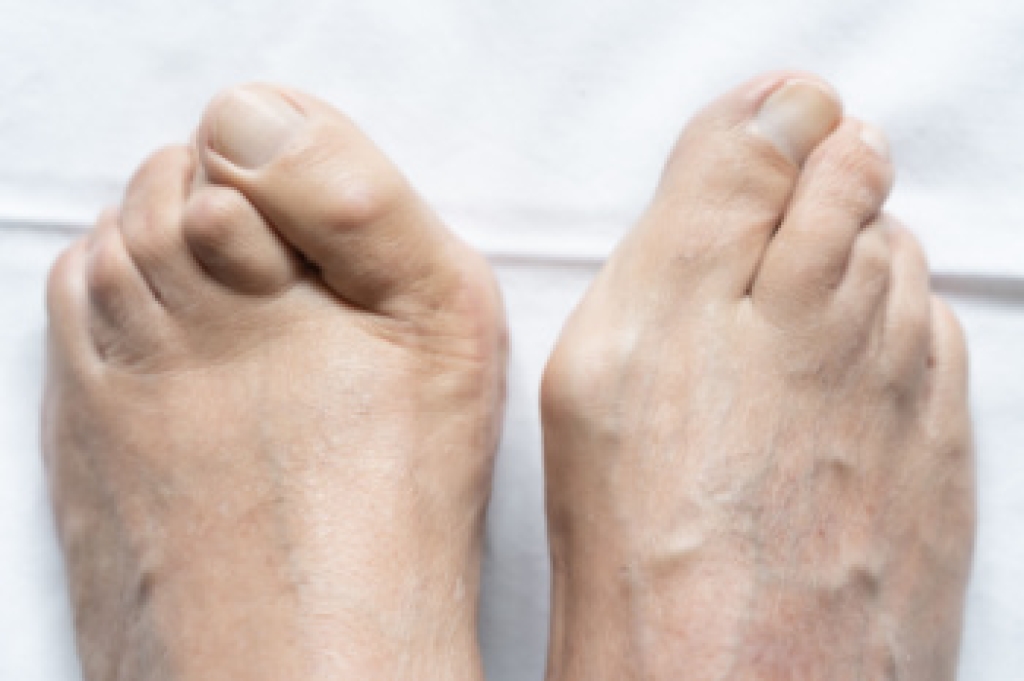
What to Know About Bunions

A bunion is a bony bump that forms at the base of the big toe, causing the joint to stick out and often push the toe inward. This condition develops slowly over time and may be caused by inherited foot structure, arthritis, or wearing tight, narrow shoes. Bunions can lead to pain, swelling, and difficulty finding comfortable footwear. The skin over the bunion may become red or irritated, especially after long periods of walking or standing. Wearing shoes with a wide toe box or using padding can help manage symptoms. In more advanced cases, custom orthotics or surgery may be recommended to correct the deformity. Early attention is key to preventing the bunion from worsening. If you have a painful bump on the side of your big toe or notice changes in the shape of your foot, it is suggested that you see a podiatrist for an evaluation and treatment options.

If you are suffering from bunions, contact one of our podiatrists of Grobowski Foot & Ankle. our doctors can provide the care you need to keep you pain-free and on your feet.

What Is a Bunion?

A bunion is formed of swollen tissue or an enlargement of boney growth, usually located at the base joint of the toe that connects to the foot. The swelling occurs due to the bones in the big toe shifting inward, which impacts the other toes of the foot. This causes the area around the base of the big toe to become inflamed and painful.

Why Do Bunions Form?

Genetics – Susceptibility to bunions are often hereditary

Stress on the feet – Poorly fitted and uncomfortable footwear that places stress on feet, such as heels, can worsen existing bunions

How Are Bunions Diagnosed?

Podiatrists often perform two tests – blood tests and x-rays – when trying to diagnose bunions, especially in the early stages of development. Blood tests help determine if the foot pain is being caused by something else, such as arthritis, while x-rays provide a clear picture of your bone structure to your provider.

How Are Bunions Treated?

  • Refrain from wearing heels or similar shoes that cause discomfort
  • Select wider shoes that can provide more comfort and reduce pain
  • Anti-inflammatory and pain management drugs
  • Orthotics or foot inserts
  • Surgery

If you have any questions, please feel free to contact one of our offices located in Bellevue, Seattle, and Issaquah, WA, . We offer the newest diagnostic and treatment technologies for all your foot care needs.

Read more about Bunions

Managing Plantar Warts

Plantar warts are small, rough growths that appear on the sole of the feet, caused by the human papillomavirus, or HPV. The virus enters the body through tiny cuts or breaks in the skin and thrives in warm, moist environments like public showers, locker rooms, and pools. Anyone can get plantar warts, but they are more common in children, teens, athletes, and anyone with a weakened immune system. Symptoms include a small, grainy growth on the bottom of the foot, often with a black dot in the center, which are clotted blood vessels. Often there is pain when walking or standing, and thickened skin over the wart. They may feel like you are stepping on a pebble. A podiatrist can diagnose plantar warts and offer effective treatment options, such as cryotherapy, prescription-strength topical medications, or minor surgical removal. Addressing them early can prevent spreading and reduce discomfort during daily activities. If you have developed a plantar wart, it is suggested that you schedule an appointment with a podiatrist.

Plantar warts can be very uncomfortable. If you need your feet checked, contact one of our podiatrists from Grobowski Foot & Ankle. our doctors will assist you with all of your foot and ankle needs.

About Plantar Warts

Plantar warts are the result of HPV, or human papillomavirus, getting into open wounds on the feet. They are mostly found on the heels or balls of the feet.

While plantar warts are generally harmless, those experiencing excessive pain or those suffering from diabetes or a compromised immune system require immediate medical care. Plantar warts are easily diagnosed, usually through scraping off a bit of rough skin or by getting a biopsy.

Symptoms

  • Lesions on the bottom of your feet, usually rough and grainy
  • Hard or thick callused spots
  • Wart seeds, which are small clotted blood vessels that look like little black spots
  • Pain, discomfort, or tenderness of your feet when walking or standing

Treatment

  • Freezing
  • Electric tool removal
  • Laser Treatment
  • Topical Creams (prescription only)
  • Over-the-counter medications

To help prevent developing plantar warts, avoid walking barefoot over abrasive surfaces that can cause cuts or wounds for HPV to get into. Avoiding direct contact with other warts, as well as not picking or rubbing existing warts, can help prevent the further spread of plantar warts. However, if you think you have developed plantar warts, speak to your podiatrist. He or she can diagnose the warts on your feet and recommend the appropriate treatment options.

If you have any questions, please feel free to contact one of our offices located in Bellevue, Seattle, and Issaquah, WA, . We offer the newest diagnostic and treatment technologies for all your foot care needs.

Read more about All About Plantar Warts

When Fungus Takes Over Your Toenail

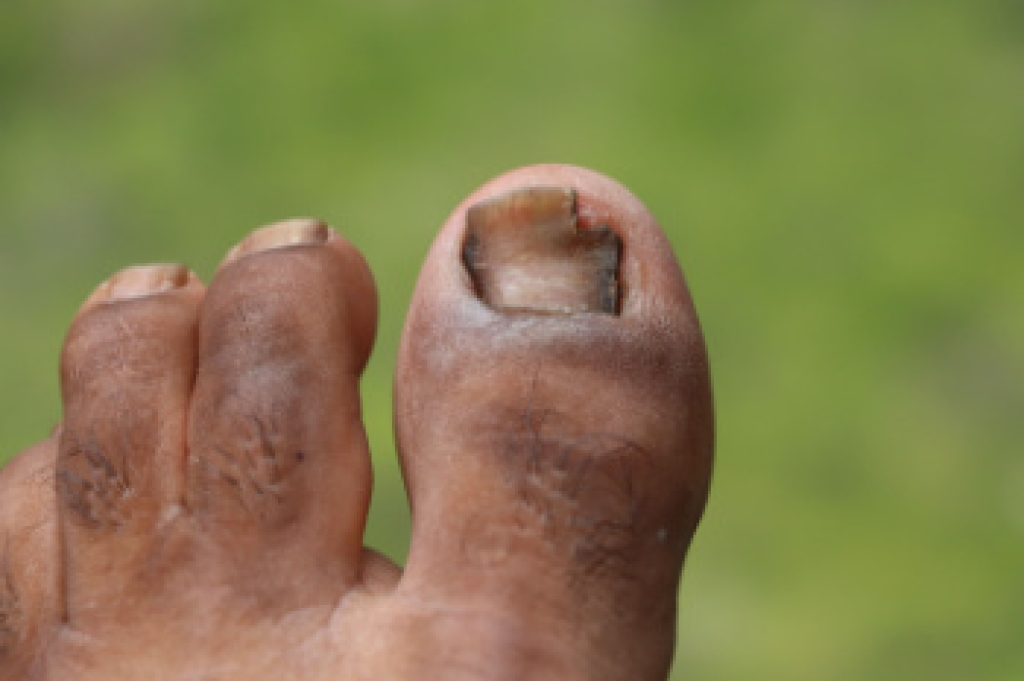
Toenail fungus often starts as a small change in color or texture. The nail may look yellow, white or brown, and become thick, brittle, or crumbly over time. It can spread to other nails and may cause odor or discomfort. Fungal infections thrive in warm, moist places such as sweaty shoes or public showers. Early treatment can stop it from getting worse. Creams may help in mild cases, but deeper infections often need prescription medication. Keeping nails trimmed, dry, and clean helps prevent infection. Avoid walking barefoot in shared spaces and change socks often. Toenail fungus rarely goes away on its own. If your nail is changing in appearance or causing discomfort, it is suggested you see a podiatrist for professional treatment.

If left untreated, toenail fungus may spread to other toenails, skin, or even fingernails. If you suspect you have toenail fungus it is important to seek treatment right away. For more information about treatment, contact one of our podiatrists of Grobowski Foot & Ankle. our doctors can provide the care you need to keep you pain-free and on your feet.

Symptoms

  • Warped or oddly shaped nails
  • Yellowish nails
  • Loose/separated nail
  • Buildup of bits and pieces of nail fragments under the nail
  • Brittle, broken, thickened nail

Treatment

If self-care strategies and over-the-counter medications does not help your fungus, your podiatrist may give you a prescription drug instead. Even if you find relief from your toenail fungus symptoms, you may experience a repeat infection in the future.

Prevention

In order to prevent getting toenail fungus in the future, you should always make sure to wash your feet with soap and water. After washing, it is important to dry your feet thoroughly especially in between the toes. When trimming your toenails, be sure to trim straight across instead of in a rounded shape. It is crucial not to cover up discolored nails with nail polish because that will prevent your nail from being able to “breathe”.

In some cases, surgical procedure may be needed to remove the toenail fungus. Consult with your podiatrist about the best treatment options for your case of toenail fungus.  

If you have any questions please contact one of our offices located in Bellevue, Seattle, and Issaquah, WA, . We offer the newest diagnostic and treatment technologies for all your foot and ankle needs.

Read more about Treating Toenail Fungus

Signs in Your Feet That Could Point to Liver Problems

The feet can often reveal early signs of liver problems that might otherwise go unnoticed. One common indication is the appearance of spider veins, which are small, visible blood vessels that can form on the feet and ankles when the liver is not properly filtering blood. Cracked heels may also suggest liver dysfunction, as poor circulation and dehydration associated with liver issues can lead to dry, splitting skin. Another sign to watch for is white nail beds, which can signal a lack of healthy blood flow or low protein levels caused by liver disease. These changes in the feet may seem minor at first, but they can provide important clues about underlying liver health. If you notice any changes to your feet, it is suggested that you consult a podiatrist who can treat various foot conditions, and guide you if an underlying health issue is a concern.

When dealing with systemic disease of the feet, it is extremely important to check the affected areas routinely so that any additional problems are caught quickly.  If you have any concerns about your feet and ankles contact one of our podiatrists from Grobowski Foot & Ankle. our doctors will assist you with all of your podiatric needs.

Systemic Diseases of the Feet

Systemic diseases affect the whole body, and symptoms usually are displayed in the feet. This condition can make a patient’s ability to walk unbearable.  Systemic diseases include gout, diabetes mellitus, neurological disorders, and arthritis.

Gout – is caused by an excess of uric acid in the body. Common symptoms include pain, inflammation, and redness at the metatarsal/phalangeal joint of the base big toe. Gout can be treated by NSAIDs to relieve pain and inflammation, and other drugs that lower the acid levels in the body.

Diabetes mellitus – is an increase in the level of blood sugar that the body cannot counteract with its own insulin. Failure to produce enough insulin is a factor in Diabetes.

Diabetes of the Feet

Diabetic Neuropathy – may lead to damaged nerves and affect the feet through numbness and loss of sensation.

Peripheral Vascular Disease – can restrict the blood flow to the feet, and often times lead to amputation of the feet. 

If you have any questions please contact one of our offices located in Bellevue, Seattle, and Issaquah, WA, . We offer the newest diagnostic and treatment technologies for all your foot and ankle needs.

Read more about Systemic Diseases of the Foot

It's Time for Beautiful Feet

You don't need an excuse to have beautiful nails. Step outside without worrying about the appearance of your feet.

Connect With Us

scroll to top