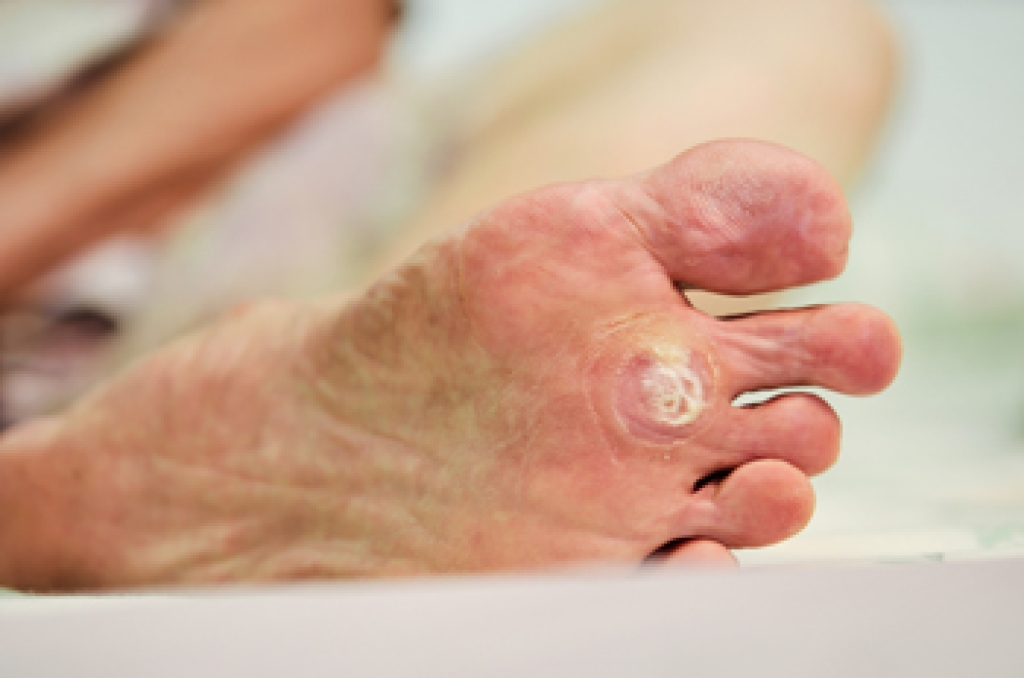
How Plantar Warts Spread

Plantar Warts, and warts in general, are caused by the Human Papilloma Virus (HPV). Plantar warts occur when the virus enters the skin through tiny cracks or weak spots in the skin on the soles of the feet and forms thick, flat warts—sometimes forming clusters. Plantar warts are painful and can make you feel like you are walking on pebbles. Although it is possible for plantar warts to go away on their own, they are hardy and may take years to disappear, if at all. If your plantar warts are causing you pain, discomfort, or embarrassment, contact a podiatrist. There are a variety of therapies and procedures they can use to get rid of plantar warts, including topical treatment, cryotherapy, and laser therapy. For a proper diagnosis please speak with a podiatrist.

Plantar warts can be very uncomfortable. If you need your feet checked, contact one of our podiatrists from Grobowski Foot & Ankle. our doctors will assist you with all of your foot and ankle needs.

About Plantar Warts

Plantar warts are the result of HPV, or human papillomavirus, getting into open wounds on the feet. They are mostly found on the heels or balls of the feet.

While plantar warts are generally harmless, those experiencing excessive pain or those suffering from diabetes or a compromised immune system require immediate medical care. Plantar warts are easily diagnosed, usually through scraping off a bit of rough skin or by getting a biopsy.

Symptoms

  • Lesions on the bottom of your feet, usually rough and grainy
  • Hard or thick callused spots
  • Wart seeds, which are small clotted blood vessels that look like little black spots
  • Pain, discomfort, or tenderness of your feet when walking or standing

Treatment

  • Freezing
  • Electric tool removal
  • Laser Treatment
  • Topical Creams (prescription only)
  • Over-the-counter medications

To help prevent developing plantar warts, avoid walking barefoot over abrasive surfaces that can cause cuts or wounds for HPV to get into. Avoiding direct contact with other warts, as well as not picking or rubbing existing warts, can help prevent the further spread of plantar warts. However, if you think you have developed plantar warts, speak to your podiatrist. He or she can diagnose the warts on your feet and recommend the appropriate treatment options.

If you have any questions, please feel free to contact one of our offices located in Bellevue, Seattle, and Issaquah, WA, . We offer the newest diagnostic and treatment technologies for all your foot care needs.

Read more about What Are Plantar Warts?

Sever's Disease Causes Heel Pain in Children

Sever’s disease, also known as calcaneal apophysitis, is an overuse injury of the growth plate in the heel. This condition is common among active children between the ages of 8 and 14. While the child is still growing, the growth plates in their heel bones are vulnerable to injury and inflammation. This is often caused by participating in repetitive activities that put excess strain on the heels, such as the running and jumping common in sports like soccer or basketball. Sever’s disease is also more common in children who are overweight, as the extra weight can put pressure on the heels. Symptoms of Sever’s disease include heel pain, swelling, and difficulty walking or bearing weight on the affected foot. If your child complains of heel pain, please seek the care of a podiatrist. 

Sever's disease often occurs in children and teens. If your child is experiencing foot or ankle pain, see one of our podiatrists from Grobowski Foot & Ankle. our doctors can treat your child’s foot and ankle needs.

Sever’s Disease

Sever’s disease is also known as calcaneal apophysitis, which is a medical condition that causes heel pain I none or both feet. The disease is known to affect children between the ages of 8 and 14.

Sever’s disease occurs when part of the child’s heel known as the growth plate (calcaneal epiphysis) is attached to the Achilles tendon. This area can suffer injury when the muscles and tendons of the growing foot do not keep pace with bone growth. Therefore, the constant pain which one experiences at the back of the heel will make the child unable to put any weight on the heel. The child is then forced to walk on their toes.

Symptoms

Acute pain – Pain associated with Sever’s disease is usually felt in the heel when the child engages in physical activity such as walking, jumping and or running.

Highly active – Children who are very active are among the most susceptible in experiencing Sever’s disease, because of the stress and tension placed on their feet.

If you have any questions, please feel free to contact one of our offices located in Bellevue, Seattle, and Issaquah, WA, . We offer the newest diagnostic and treatment technologies for all your foot care needs.

Read more about Sever's Disease

Plantar Warts Can Be Treated!

Plantar warts are small growths that develop on parts of the feet that bear weight. They're typically found on the bottom of the foot. Don't live with plantar warts, and call us today!

Different Causes of Foot Pain

Our feet undergo a lot of use over our lifetime, and as a result, a variety of painful issues can develop.  Bunions, which causes the big toe to turn towards the other toes, can lead to a lot of pain while walking.  Plantar fasciitis, which is the inflammation of the tendon that runs along the bottom of the foot, can often lead to heel pain and pain in the arch of the foot.  Another common source of heel pain is heel spurs.  These occur as bony bumps in the heel that are calcium deposits.  Other issues, like gout, can lead to a burning sensation in the foot.  Gout is caused by an excess of uric acid in the body that builds up in the joints.  Some issues can lead to numbness in the foot, and this numbness usually indicates Morton’s neuroma which is the thickening of the nerve around the ball of the foot.  If you are struggling with pain in your feet, consulting with a podiatrist is recommended.  A podiatrist will be able to help find the source and a proper treatment method.

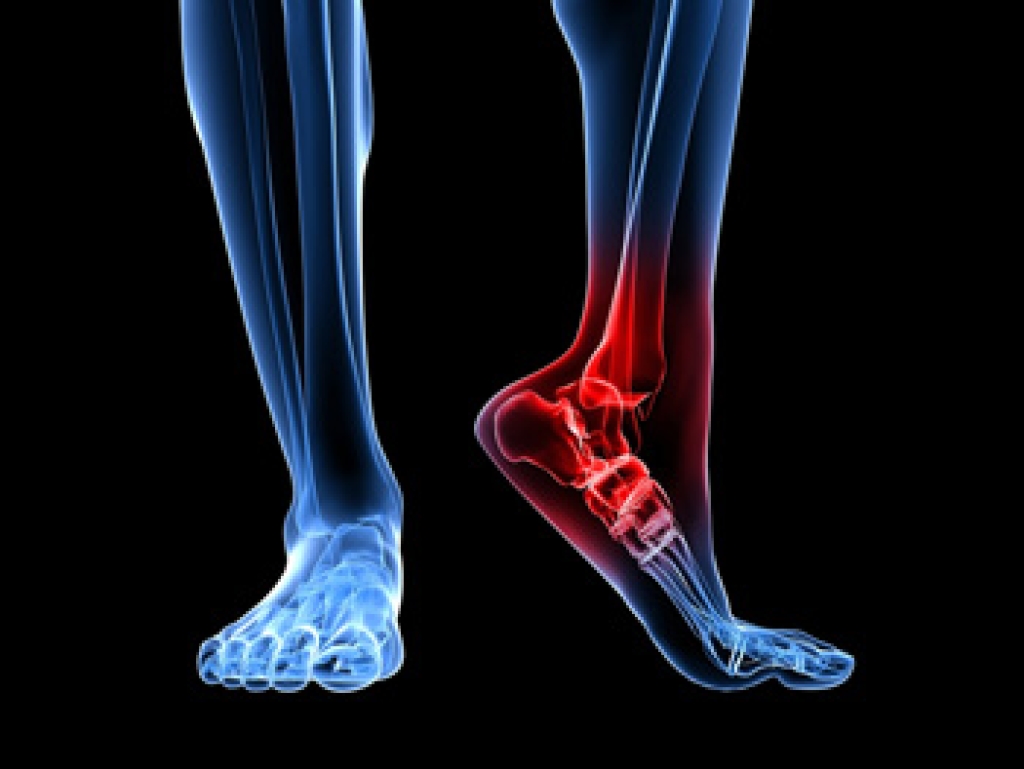
Foot Pain

Foot pain can be extremely painful and debilitating. If you have a foot pain, consult with one of our podiatrists from Grobowski Foot & Ankle. our doctors will assess your condition and provide you with quality foot and ankle treatment.

Causes

Foot pain is a very broad condition that could be caused by one or more ailments. The most common include:

  • Bunions
  • Hammertoes
  • Plantar Fasciitis
  • Bone Spurs
  • Corns
  • Tarsal Tunnel Syndrome
  • Ingrown Toenails
  • Arthritis (such as Gout, Rheumatoid, and Osteoarthritis)
  • Flat Feet
  • Injury (from stress fractures, broken toe, foot, ankle, Achilles tendon ruptures, and sprains)
  • And more

Diagnosis

To figure out the cause of foot pain, podiatrists utilize several different methods. This can range from simple visual inspections and sensation tests to X-rays and MRI scans. Prior medical history, family medical history, and any recent physical traumatic events will all be taken into consideration for a proper diagnosis.

Treatment

Treatment depends upon the cause of the foot pain. Whether it is resting, staying off the foot, or having surgery; podiatrists have a number of treatment options available for foot pain.

If you have any questions, please feel free to contact one of our offices located in Bellevue, Seattle, and Issaquah, WA, . We offer the newest diagnostic and treatment technologies for all your foot care needs.
Read more about Foot Pain

What Is Charcot-Marie-Tooth Disease?

Charcot-Marie-Tooth disease is a hereditary condition that causes nerve damage in the peripheral nerves of the limbs. It can lead to symptoms such as muscle weakness, spasms, a loss of sensation, and difficulty walking. This disease can also lead to other foot problems, including high arches, hammertoes, and an abnormal gait or walking pattern. Symptoms often begin in adolescence or early adulthood, but they may also start in midlife and often affect the legs and feet first. While there is no cure, Charcot-Marie-Tooth disease progresses slowly and there are various treatments aimed at reducing symptoms and maintaining mobility. If you are experiencing symptoms of this disease in your lower limbs, please consult with a podiatrist.

Neuropathy

Neuropathy can be a potentially serious condition, especially if it is left undiagnosed. If you have any concerns that you may be experiencing nerve loss in your feet, consult with one of our podiatrists from Grobowski Foot & Ankle. our doctors will assess your condition and provide you with quality foot and ankle treatment for neuropathy.

What Is Neuropathy?

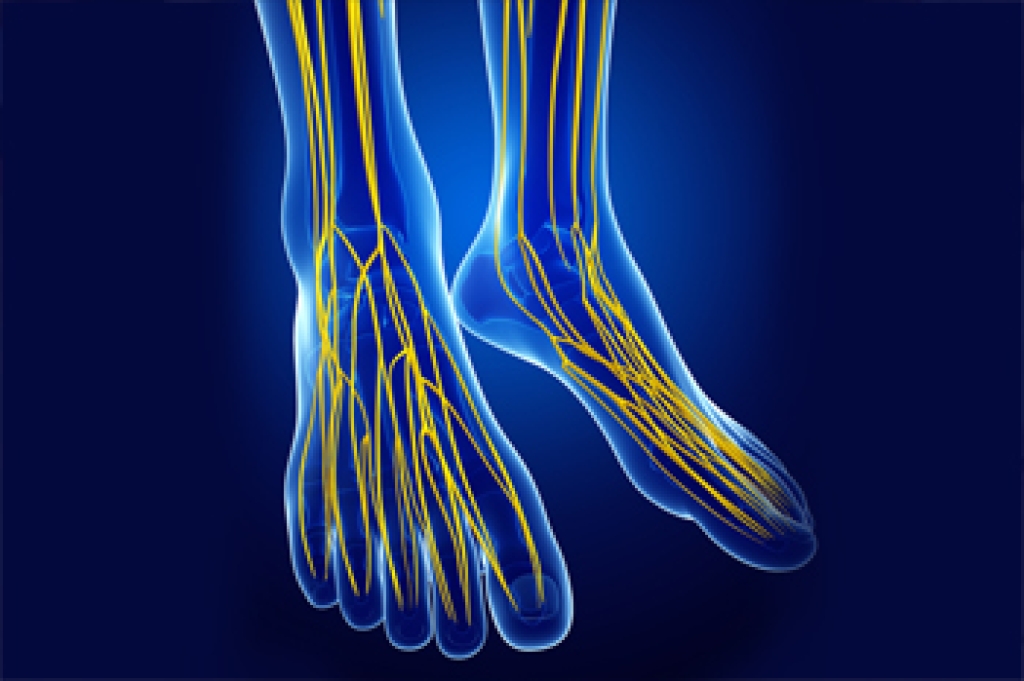
Neuropathy is a condition that leads to damage to the nerves in the body. Peripheral neuropathy, or neuropathy that affects your peripheral nervous system, usually occurs in the feet. Neuropathy can be triggered by a number of different causes. Such causes include diabetes, infections, cancers, disorders, and toxic substances.

Symptoms of Neuropathy Include:

  • Numbness
  • Sensation loss
  • Prickling and tingling sensations
  • Throbbing, freezing, burning pains
  • Muscle weakness

Those with diabetes are at serious risk due to being unable to feel an ulcer on their feet. Diabetics usually also suffer from poor blood circulation. This can lead to the wound not healing, infections occurring, and the limb may have to be amputated.

Treatment

To treat neuropathy in the foot, podiatrists will first diagnose the cause of the neuropathy. Figuring out the underlying cause of the neuropathy will allow the podiatrist to prescribe the best treatment, whether it be caused by diabetes, toxic substance exposure, infection, etc. If the nerve has not died, then it’s possible that sensation may be able to return to the foot.

Pain medication may be issued for pain. Electrical nerve stimulation can be used to stimulate nerves. If the neuropathy is caused from pressure on the nerves, then surgery may be necessary.

If you have any questions, please feel free to contact one of our offices located in Bellevue, Seattle, and Issaquah, WA, . We offer the newest diagnostic and treatment technologies for all your foot care needs.

Read more about Neuropathy

Connect With Us

scroll to top