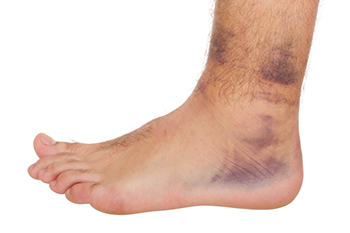
An ankle sprain happens when the ligaments that support the ankle are stretched or torn, often after the foot twists awkwardly during walking, sports, or a misstep. While many people assume they should simply rest and wait, proper treatment can help recovery move along more safely. A podiatrist may use specific examination guidelines to decide whether imaging is needed to rule out a fracture. Treatment often includes measures to reduce swelling and discomfort, hands-on techniques to improve joint movement, and supportive bracing or wrapping to protect the ankle while it heals. In many cases, gentle walking is encouraged sooner rather than keeping the ankle completely still for too long, since controlled movement can support recovery. Short-term protection combined with the right treatment plan can help restore strength and stability. If you have ankle pain, swelling, or trouble walking after an injury, it is strongly suggested that you visit a podiatrist for appropriate treatment solutions.
Although ankle sprains are common, they aren’t always minor injuries. If you need your ankle injury looked at, contact one of our podiatrists from Grobowski Foot & Ankle. our doctors can provide the care you need to keep you pain-free and on your feet.
How Does an Ankle Sprain Occur?
Ankle sprains are the result of a tear in the ligaments within the ankle. These injuries may happen when you make a rapid shifting movement while your foot is planted. A less common way to sprain your ankle is when your ankle rolls inward while your foot turns outward.
What Are the Symptoms?
Pain at the sight of the tear
Bruising/Swelling
Ankle area is tender to touch
In severe cases, may hear/feel something tear
Skin discoloration
Preventing a Sprain
Wearing appropriate shoes for the occasion
Stretching before exercises and sports
Knowing your limits
Treatment of a Sprain
In many cases, the RICE method (Rest, Ice, Compression, and Elevate) is used to treat ankle sprains. However, you should see a podiatrist to see which treatment option would work best with your injury. In severe cases, surgery may be required.
It is important to ask your doctor about rehab options after you receive treatment for your injury. Stretching, strength training, and balance exercises may help the ankle heal while also preventing further injury.
If you have any questions, please feel free to contact one of our offices located in Bellevue, Seattle, and Issaquah, WA,. We offer the newest diagnostic and treatment technologies for all your foot care needs.
Ingrown toenails occur when the toenail pierces the skin at the fold of the nail. Some common causes of ingrown toenails may include trauma, improper toenail cutting, shoes that are too tight, sweaty feet, and medications. Ingrown toenails can also be recognized by the swelling and inflammation around the toenail that is painful when pressure is applied. While there are many home remedies that can help reduce the pain of an ingrown toenail, it is important to visit a podiatrist in order to prevent an infection or further damage from occurring. Your podiatrist can provide a variety of home remedies, as well as provide surgical options if necessary.
Ingrown toenails may initially present themselves as a minor discomfort, but they may progress into an infection in the skin without proper treatment. For more information about ingrown toenails, contact one of our podiatrists of Grobowski Foot & Ankle. our doctors can provide the care you need to keep you pain-free and on your feet.
Ingrown Toenails
Ingrown toenails are caused when the corner or side of a toenail grows into the soft flesh surrounding it. They often result in redness, swelling, pain, and in some cases, infection. This condition typically affects the big toe and may recur if it is not treated properly.
Causes
Improper toenail trimming
Genetics
Improper shoe fitting
Injury from pedicures or nail picking
Abnormal gait
Poor hygiene
You are more likely to develop an ingrown toenail if you are obese, have diabetes, arthritis, or have any fungal infection in your nails. Additionally, people who have foot or toe deformities are at a higher risk of developing an ingrown toenail.
Symptoms
Some symptoms of ingrown toenails are redness, swelling, and pain. In rare cases, there may be a yellowish drainage coming from the nail.
Treatment
Ignoring an ingrown toenail can have serious complications. Infections of the nail border can progress to a deeper soft-tissue infection, which can then turn into a bone infection. You should always speak with your podiatrist if you suspect you have an ingrown toenail, especially if you have diabetes or poor circulation.
If you have any questions, please feel free to contact one of our offices located in Bellevue, Seattle, and Issaquah, WA,. We offer the newest diagnostic and treatment technologies for all your foot care needs.
Have you noticed a bony protrusion on the side of your big toe? If so, you may have developed the foot condition known as a bunion. Don't let bunions interfere with your daily activities.
Pain on the inner side of the foot can develop from strain in the muscles and soft tissue that support the arch and big toe. This pain is often linked to overuse, flat feet, and poor arch support in shoes. Sudden increases in activity or direct injury to the foot are other factors. People who stand for long hours at work or spend more time walking and running may notice soreness, swelling, tenderness, or tingling in this area. Because inner foot pain can feel similar to plantar fasciitis or tendon problems, a proper diagnosis is important. A podiatrist can examine the foot, check the arch, test movement, and order X-rays or other imaging tests to determine the cause. Treatment options include custom orthotics, supportive bracing, medication for pain relief, or surgery, in more serious cases. If you have pain on the inner side of the foot, it is suggested that you schedule an appointment with a podiatrist for a diagnosis and appropriate treatment.
Foot Pain
Foot pain can be extremely painful and debilitating. If you have a foot pain, consult with one of our podiatrists from Grobowski Foot & Ankle. our doctors will assess your condition and provide you with quality foot and ankle treatment.
Causes
Foot pain is a very broad condition that could be caused by one or more ailments. The most common include:
Bunions
Hammertoes
Plantar Fasciitis
Bone Spurs
Corns
Tarsal Tunnel Syndrome
Ingrown Toenails
Arthritis (such as Gout, Rheumatoid, and Osteoarthritis)
To figure out the cause of foot pain, podiatrists utilize several different methods. This can range from simple visual inspections and sensation tests to X-rays and MRI scans. Prior medical history, family medical history, and any recent physical traumatic events will all be taken into consideration for a proper diagnosis.
Treatment
Treatment depends upon the cause of the foot pain. Whether it is resting, staying off the foot, or having surgery; podiatrists have a number of treatment options available for foot pain.
If you have any questions, please feel free to contact one of our offices located in Bellevue, Seattle, and Issaquah, WA,. We offer the newest diagnostic and treatment technologies for all your foot care needs.

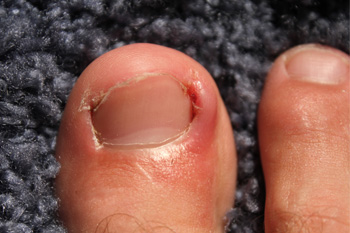 Ingrown toenails occur when the toenail pierces the skin at the fold of the nail. Some common causes of ingrown toenails may include trauma, improper toenail cutting, shoes that are too tight, sweaty feet, and medications. Ingrown toenails can also be recognized by the swelling and inflammation around the toenail that is painful when pressure is applied. While there are many home remedies that can help reduce the pain of an ingrown toenail, it is important to visit a podiatrist in order to prevent an infection or further damage from occurring. Your podiatrist can provide a variety of home remedies, as well as provide surgical options if necessary.